



WACKER Catalyst T 77 curing agent for condensation-cure RTV-2 silicones ELASTOSIL RT and M
WACKER Catalyst T 77 curing agent for condensation-cure RTV-2 silicones ELASTOSIL RT and M
Standard curing agent for condensation-curing RTV-2 silicones of the ELASTOSIL RT and ELASTOSIL M series. A black, thixotropic paste used at 10:1 that makes the silicone self-adhesive, with excellent adhesion to glass, ceramics, wood, metals, plastics and powder coatings.
Ask about the product

Product code: CATALYSTT77
Specifications
Primers & Additives
- For Silicone System condensation-cure silicones
- Product Type Curing agent
Description
WACKER Catalyst T 77 curing agent for condensation-cure RTV-2 silicones ELASTOSIL RT and M
WACKER Catalyst T 77 is the standard crosslinking agent for condensation-curing RTV-2 silicone rubbers. Combined with a base compound of the ELASTOSIL RT or ELASTOSIL M series, it cures into a durable, self-adhesive silicone rubber – no separate primer required.
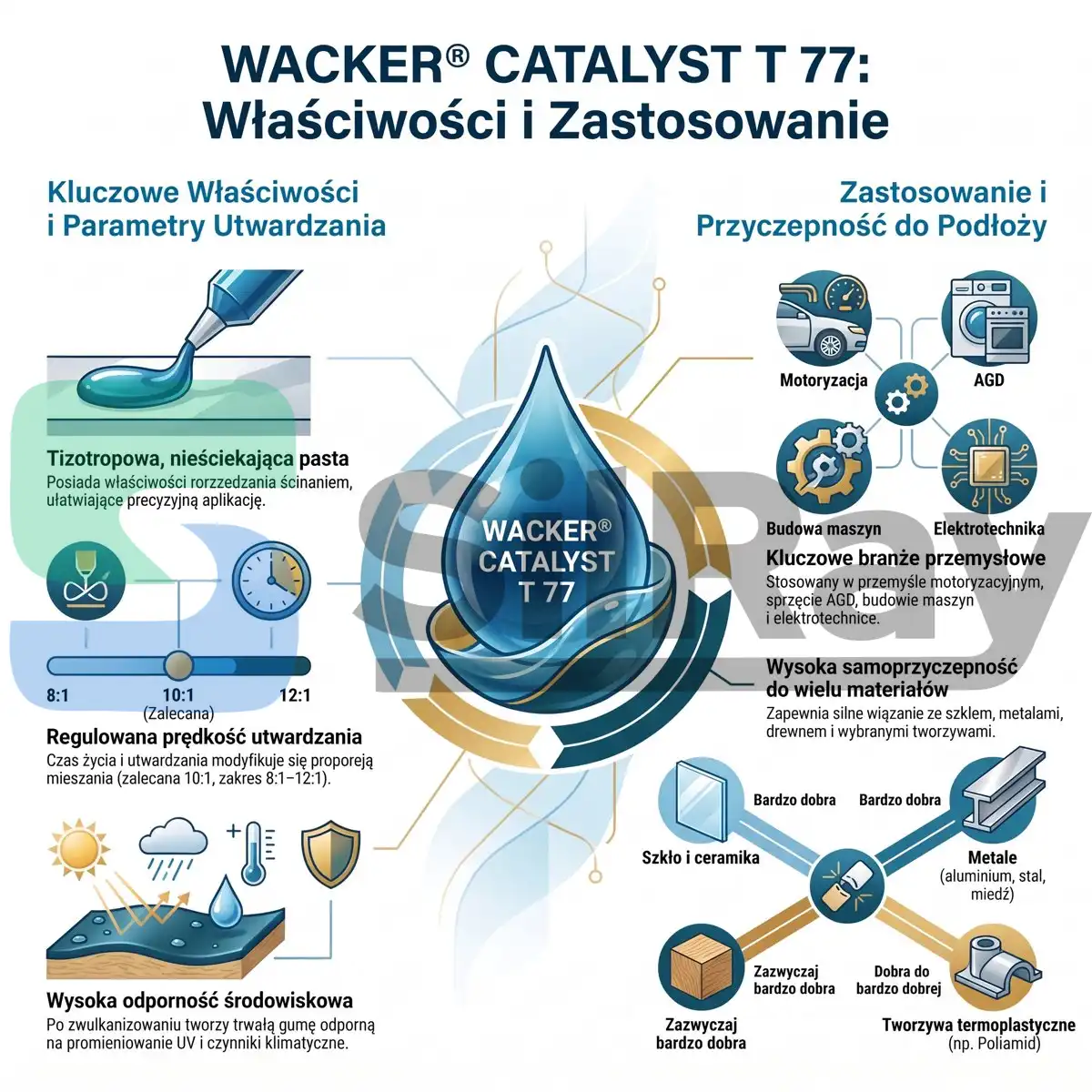
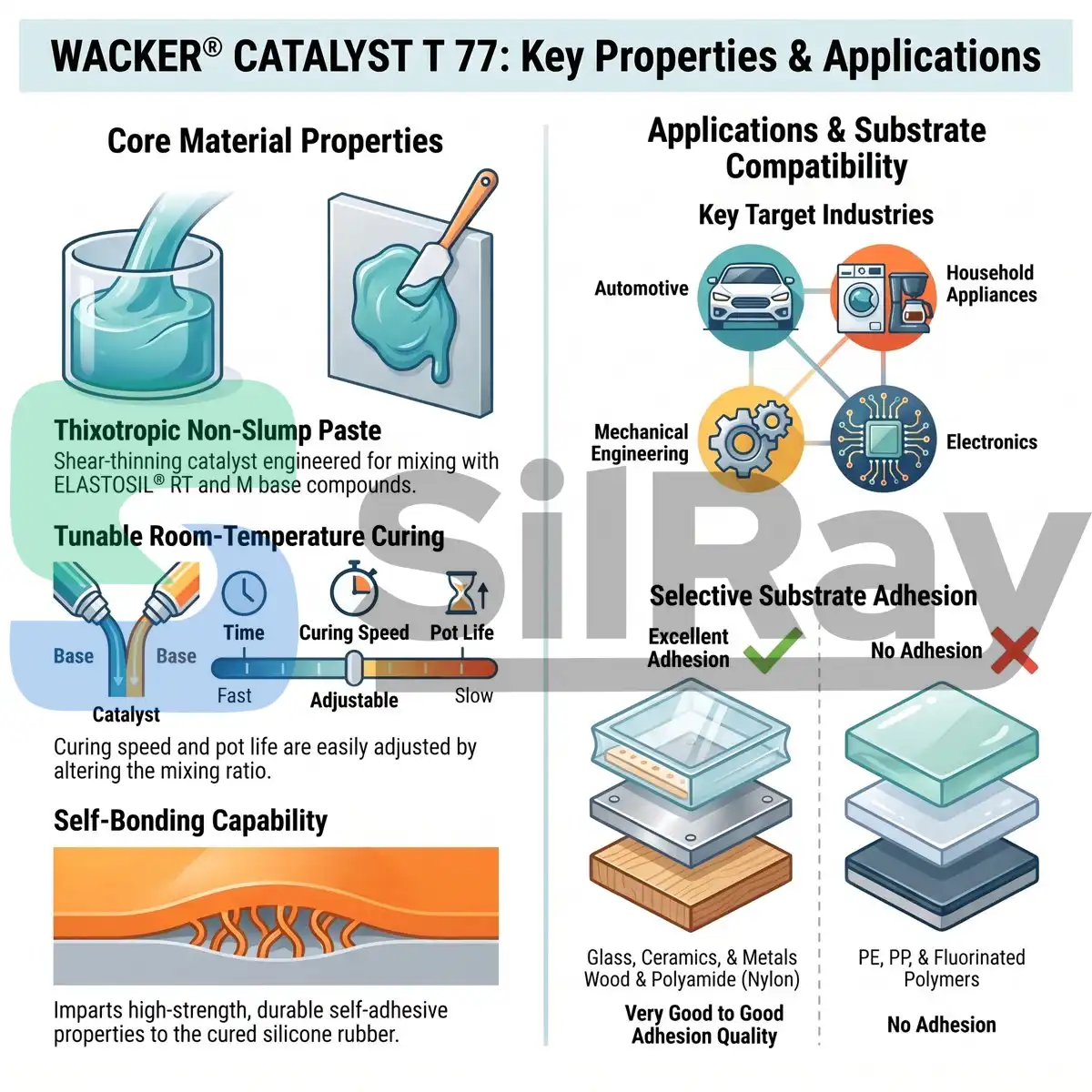
The greatest advantage of T 77 is adhesion. The cured silicone bonds well to glass, ceramics, wood, metals, plastics and powder coatings, and the bond strength is usually independent of the base compound used. The curing agent itself is a black, thixotropic, non-slump paste that thins out when mixed – viscosity falls from approx. 130,000 mPa·s at rest to approx. 8,000 mPa·s under shear – so it meters easily both by hand and on automatic lines with static or dynamic mixers. Once fully vulcanised, the rubber withstands changing climatic conditions, UV radiation and high temperatures.
T 77 is a general-purpose curing agent for production in household appliances, automotive, mechanical engineering and the electrical industry. The recommended ratio is 10:1 by weight (base : curing agent). With fast bases such as ELASTOSIL RT 426, RT 428 or RT 771–778, working time is 10–25 minutes and cure approx. one hour; with medium-speed bases, e.g. ELASTOSIL RT K or RT 563, 45–90 minutes of working time and 2.5–5 hours of cure; with the slow bases ELASTOSIL M 4503 and M 4511, 90–150 minutes of working time and more than 6 hours of cure (23 °C, 50 % relative humidity). An 8:1 ratio speeds up the reaction, 12:1 extends working time, and within this range the properties of the cured rubber usually change only slightly.
Condensation systems are relatively robust against inhibition – amines, urethanes, sulphur compounds, organometallic compounds, plasticisers, lubricants, oils and greases usually do not disturb the cure itself. For full adhesion, however, the substrate must be clean, dry and free of grease, wax and dust. Cure can be accelerated slightly by warming the part, but the temperature must not exceed 60 °C until curing is complete. Store the curing agent in a dry, cool, ventilated place, protected from moisture.
T 77 is a hazardous product intended for professional users only: it may damage fertility and the unborn child, cause organ damage through prolonged exposure, cause serious eye damage and skin sensitisation. During cure it releases approx. 1.5–2 wt.% alcohol, so work in a well-ventilated room, away from ignition sources, with appropriate protective equipment. It is not suitable for articles in contact with food.
Clean dispensers and mixers with white spirit or another non-polar solvent before the silicone has had time to cure – fully crosslinked rubber can only be removed mechanically. When production pace changes, shift the ratio within 8:1–12:1 instead of looking for another curing agent: with fast bases, going from 10:1 to 12:1 extends working time from 10–25 to 20–45 minutes.
Technical data
Typical values – not intended for specifications.
| Property | Conditions | Value | Method |
|---|---|---|---|
| Colour | – | black | – |
| Density | 23 °C, 1013 hPa | 1.01 g/cm³ | ISO 1183-1 A |
| Dynamic viscosity | 25 °C, 0.5 1/s | 130,000 mPa·s | DIN EN ISO 3219 |
| Dynamic viscosity | 25 °C, 25 1/s | 8000 mPa·s | DIN EN ISO 3219 |
| Recommended mix ratio (base : T 77) | by weight | 10:1 (range 8:1–12:1) | – |
| Pot life (10:1) – fast-curing bases (ELASTOSIL RT 426, RT 428, RT 771, RT 772, RT 773, RT 774, RT 778) | 23 °C, 50 % RH | 10–25 min | – |
| Curing time (10:1) – fast-curing bases (ELASTOSIL RT 426, RT 428, RT 771, RT 772, RT 773, RT 774, RT 778) | 23 °C, 50 % RH | approx. 1 h | – |
| Pot life (12:1) – fast-curing bases (ELASTOSIL RT 426, RT 428, RT 771, RT 772, RT 773, RT 774, RT 778) | 23 °C, 50 % RH | 20–45 min | – |
| Curing time (12:1) – fast-curing bases (ELASTOSIL RT 426, RT 428, RT 771, RT 772, RT 773, RT 774, RT 778) | 23 °C, 50 % RH | 2–3 h | – |
| Pot life (8:1) – fast-curing bases (ELASTOSIL RT 426, RT 428, RT 771, RT 772, RT 773, RT 774, RT 778) | 23 °C, 50 % RH | 8–15 min | – |
| Curing time (8:1) – fast-curing bases (ELASTOSIL RT 426, RT 428, RT 771, RT 772, RT 773, RT 774, RT 778) | 23 °C, 50 % RH | 0.75–1 h | – |
| Pot life (10:1) – medium-speed bases (ELASTOSIL RT K, RT 563) | 23 °C, 50 % RH | 45–90 min | – |
| Curing time (10:1) – medium-speed bases (ELASTOSIL RT K, RT 563) | 23 °C, 50 % RH | 2.5–5 h | – |
| Pot life (12:1) – medium-speed bases (ELASTOSIL RT K, RT 563) | 23 °C, 50 % RH | 90–150 min | – |
| Curing time (12:1) – medium-speed bases (ELASTOSIL RT K, RT 563) | 23 °C, 50 % RH | 5–6 h | – |
| Pot life (8:1) – medium-speed bases (ELASTOSIL RT K, RT 563) | 23 °C, 50 % RH | 15–45 min | – |
| Curing time (8:1) – medium-speed bases (ELASTOSIL RT K, RT 563) | 23 °C, 50 % RH | 1.5–2.5 h | – |
| Pot life (10:1) – slow-curing bases (ELASTOSIL M 4503, M 4511) | 23 °C, 50 % RH | 90–150 min | – |
| Curing time (10:1) – slow-curing bases (ELASTOSIL M 4503, M 4511) | 23 °C, 50 % RH | > 6 h | – |
| Pot life (12:1) – slow-curing bases (ELASTOSIL M 4503, M 4511) | 23 °C, 50 % RH | > 150 min | – |
| Curing time (12:1) – slow-curing bases (ELASTOSIL M 4503, M 4511) | 23 °C, 50 % RH | > 8 h | – |
| Pot life (8:1) – slow-curing bases (ELASTOSIL M 4503, M 4511) | 23 °C, 50 % RH | 60–90 min | – |
| Curing time (8:1) – slow-curing bases (ELASTOSIL M 4503, M 4511) | 23 °C, 50 % RH | > 4 h | – |
| Max. temperature before cure is complete | – | 60 °C | – |
| Alcohol released during cure | – | approx. 1.5–2 wt.% | – |
| Flash point | – | 61 °C | ISO 3679 |
| Ignition temperature | – | 374 °C | EN 14522 |
| Sustained combustion | – | > 110 °C | ISO 9038 |
| Water solubility | – | insoluble, hydrolyses | – |
| Food contact | – | not compliant with BfR / FDA | – |
Guides
- Processing Silicone Elastomers in Industry: A Guide and Common Mistakes – mixing, degassing and curing without surprises.
- Silicones for Mould Making — How They Transformed Prototyping, Crafts, and Small-Batch Production – mould-making silicones in prototyping, crafts and small-batch production.
Files to download
 WACKER-CATALYST-T-77-TDS-gb.pdf
67.11 kB
Technical Data Sheet (TDS) – WACKER® Catalyst T 77
WACKER-CATALYST-T-77-SDS-gb.pdf
450.49 kB
Safety Data Sheet (SDS) – WACKER® Catalyst T 77
WACKER-CATALYST-T-77-PCS-gb.pdf
84.24 kB
Product regulatory information (PCS) – WACKER® Catalyst T 77
WACKER-EE-broszura-7094-EN-catalyst-t77-gb.pdf
773.88 kB
Brochure – WACKER Electrics and Electronics (7094)
Recommended products
-
KONTAKT IPA PLUS 400ml – Isopropyl Alcohol (IPA) Cleaner and Degreaser for Surfaces and Electronics
Price £7.93Price £6.45 -
Bestseller
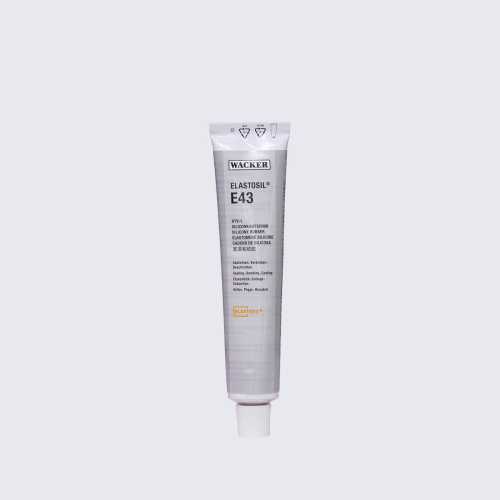
WACKER ELASTOSIL E43 90ml – Transparent Silicone Adhesive and Sealant for Electronics and Assembly, Shore A 30
Price £15.85Price £12.88 -
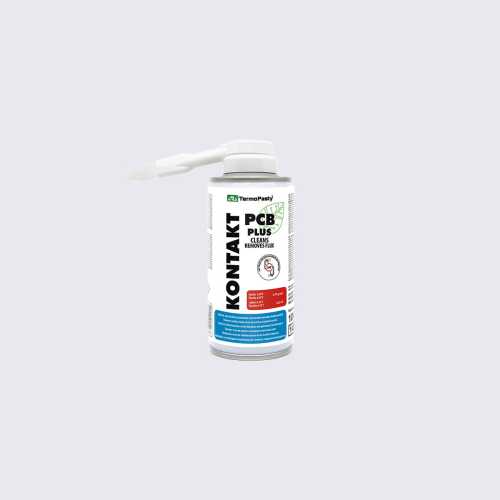
KONTAKT PCB PLUS 100ml – Cleaner and Protector for Printed Circuit Boards (PCB)
Price £6.50Price £5.28 -
WACKER AK 100 30kg – Silicone Oil for Lubrication, Protection and Industrial Applications, Viscosity 100 mm²/s
Zapytaj o cenę Ask about the product
WACKER AK 100 30kg – Silicone Oil for Lubrication, Protection and Industrial Applications, Viscosity 100 mm²/s -
WACKER AK 100 5kg – Silicone Oil for Lubrication, Protection and Industrial Applications, Viscosity 100 mm²/s
Zapytaj o cenę Ask about the product
WACKER AK 100 5kg – Silicone Oil for Lubrication, Protection and Industrial Applications, Viscosity 100 mm²/s -

WACKER SILRES HK46 25kg – High-Temperature Silicone Resin, Heat-Resistant and Non-Stick Binder up to 600°C with Food Contact Compliance
Zapytaj o cenę Ask about the product
WACKER SILRES HK46 25kg – High-Temperature Silicone Resin, Heat-Resistant and Non-Stick Binder up to 600°C with Food Contact Compliance -
Bestseller
WACKER ELASTOSIL RT 622 A/B 1kg – Silicone for Electronics and Winding Encapsulation, Shore A 27
Price £83.61Price £67.98 -
WACKER ELASTOSIL RT 625 A/B 1kg – Silicone for Casting, Electronics Encapsulation and Component Protection, Shore A 25
Price £123.13Price £100.10


