

ELASTOSIL® E41, E43 and E43 N look almost the same: transparent, one-component, cured by atmospheric moisture. In use, however, they behave quite differently. The first flows and self-levels, the second lays down into an even, highly extensible joint, and the third holds its shape on vertical surfaces and can come into contact with food. We show where these differences come from and how to match the silicone to the job, and at the end we bring the key parameters together in a single table.
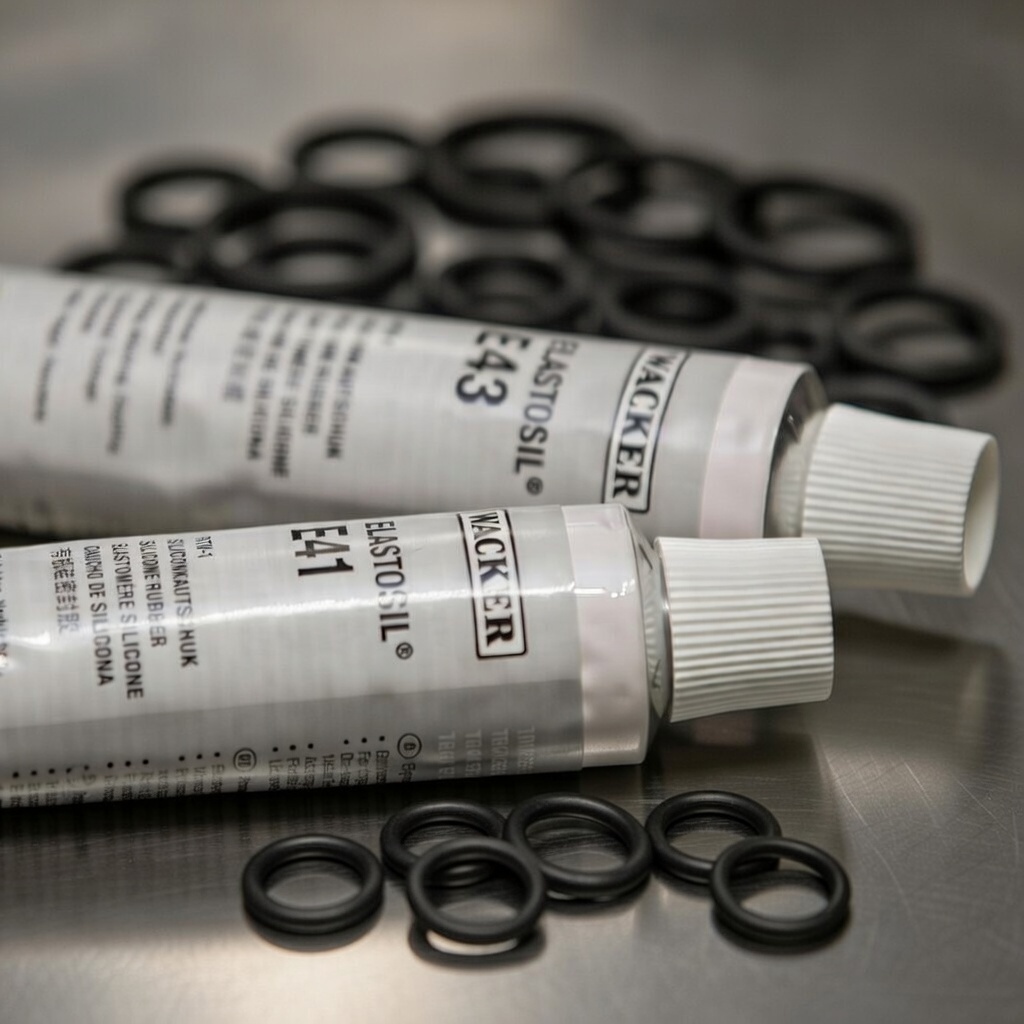
ELASTOSIL® E41, E43 or E43 N? Seemingly similar – completely different in practice. Which should you choose?
Read more
Acetoxy, Amine or Neutral Silicone for Electronics?
An RTV-1 silicone cures with moisture from the air – and releases something as it does: acetic acid, an amine or an alcohol. On sheet metal or glass that hardly matters, but on a PCB, contacts and sensitive electronics this by-product decides whether a seal lasts for years or causes damage. In this guide we explain in plain terms how acetoxy systems (ELASTOSIL E10, E41, E47), amine systems (A07, A33, A234) and neutral alkoxy systems (N 2189, N 2199, N9111) differ. We compare cure speed, temperature range and UL 94 ratings, point out common mistakes and give you a short selection checklist – with practical tips.
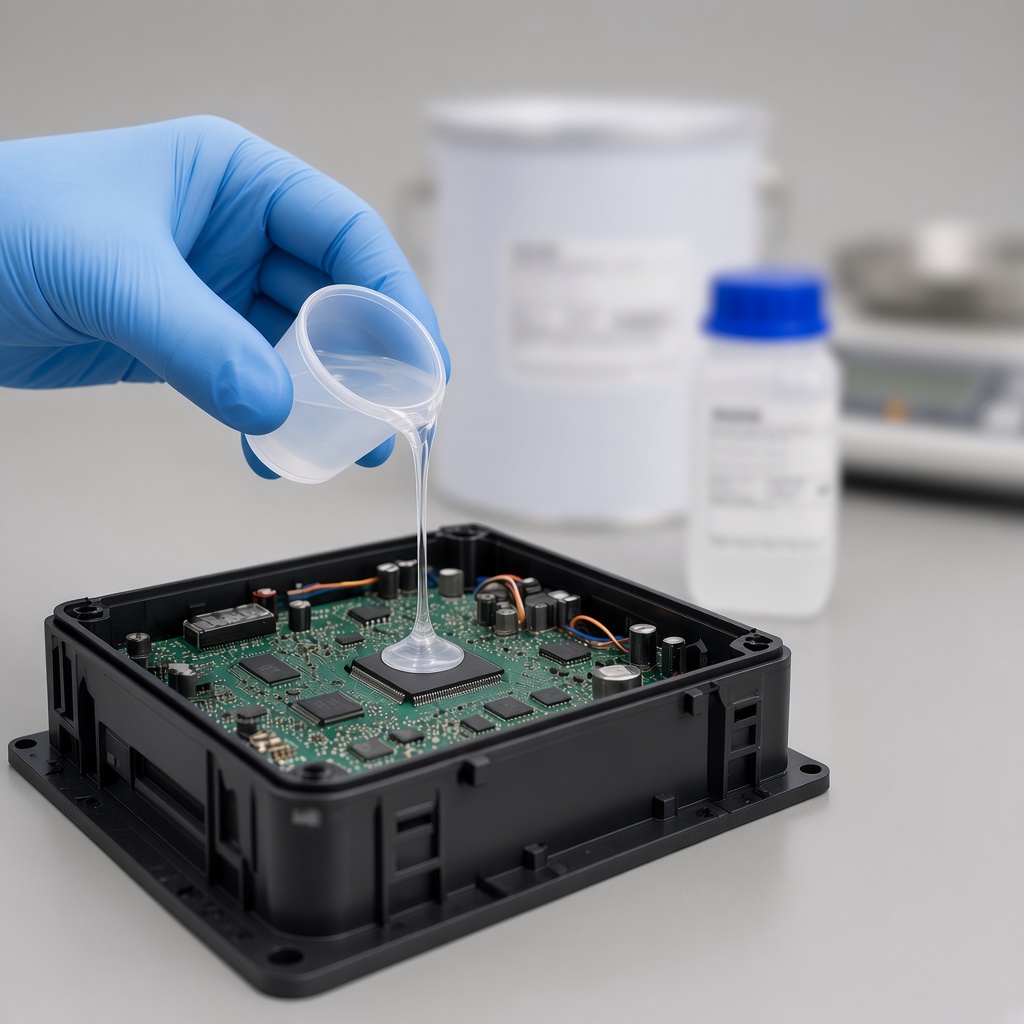
Which ELASTOSIL RT should you choose: RT 601, RT 602, RT 604, RT 607, RT 625 or RT 675?
Not every silicone potting compound solves the same problem. ELASTOSIL RT 607 A/B combines flame retardancy with electrical engineering and railway applications; ELASTOSIL RT 601 A/B and ELASTOSIL RT 604 A/B keep encapsulated components visible, while ELASTOSIL RT 602 A/B is a general-purpose light-grey encapsulant. Where tear resistance matters more, take a closer look at ELASTOSIL RT 625 A/B; where heat conduction is the priority, consider ELASTOSIL RT 675 A/B. We compare properties, mixing ratios and working times, then explain how to prepare a potting trial while avoiding the most common mistakes.
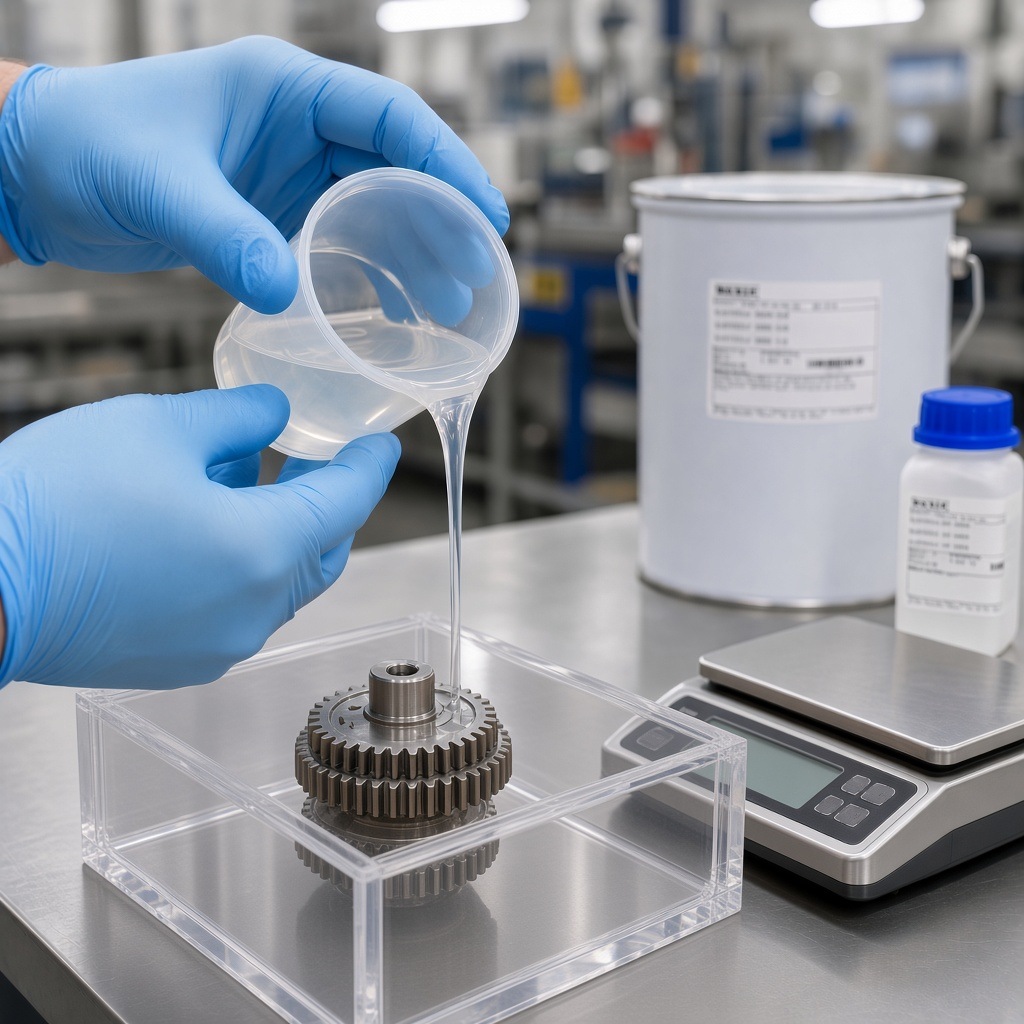
Silicone Mould with ELASTOSIL VARIO: Choosing Hardness and Catalyst
The WACKER ELASTOSIL VARIO system consists of two silicone bases and two catalysts that combine like building blocks. The soft ELASTOSIL VARIO 15 and the harder ELASTOSIL VARIO 40 let you set mould hardness anywhere from 15 to 40 Shore A, while the CAT VARIO (normal) and CAT VARIO-F (fast) catalysts set the working pace from 2 to 150 minutes. Here is how to choose the right combination and make a silicone mould step by step.
Potting Electronics: Silicone Gel or RTV-2 Compound?
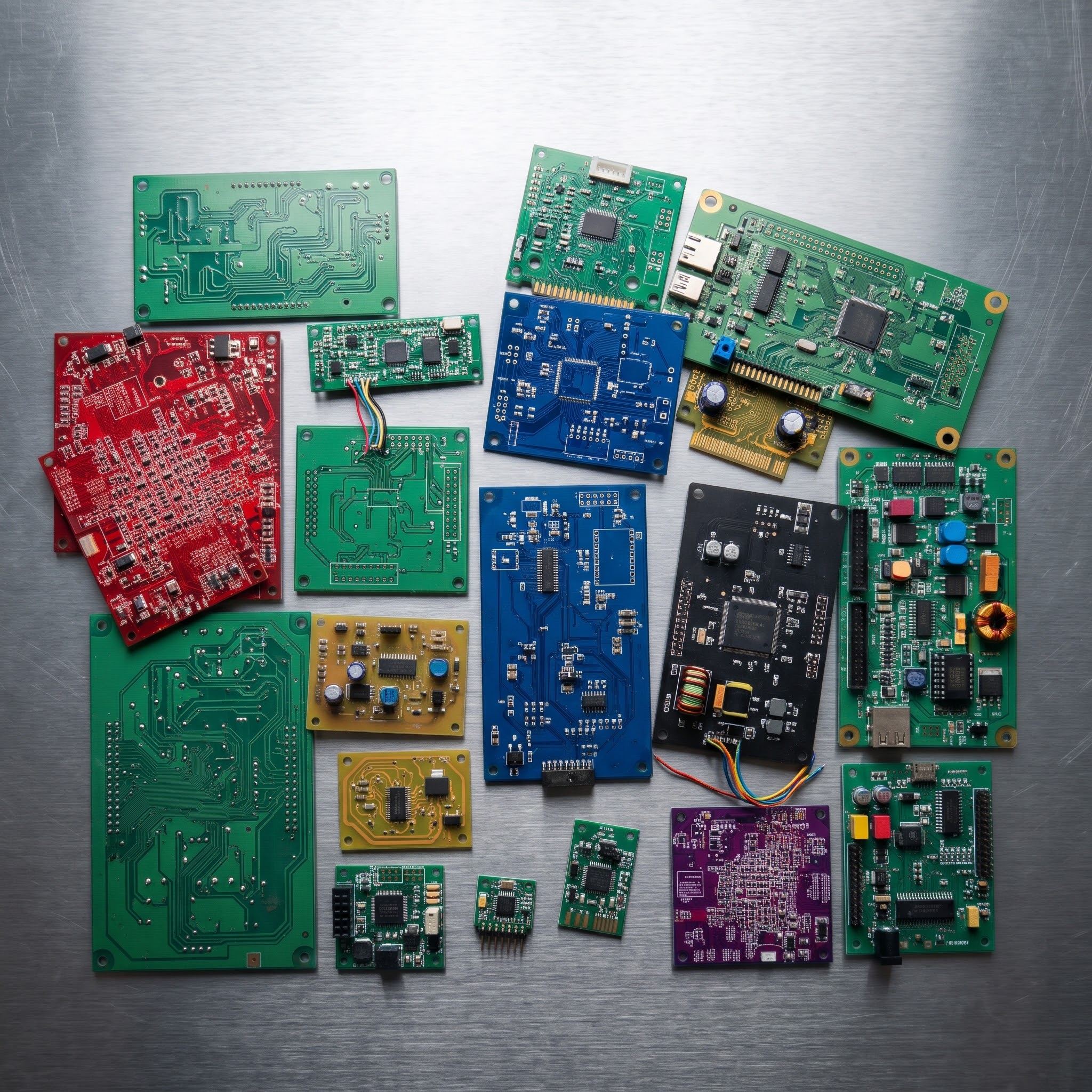
Potting electronics is a long-term decision: the compound flows into every gap and stays with the components for the life of the device. Before you open the can, answer two questions: will you ever need to get to the components again, and does the circuit run hot? That decides whether you reach for a soft silicone gel or a flexible but solid RTV-2 potting compound. In this guide we compare WACKER SilGel 612 and SilGel 613 gels with the ELASTOSIL compounds RT 601, RT 604, RT 622, flame-retardant RT 607 and thermally conductive RT 675. We look at how they cope with moisture and vibration, whether you can dig a faulty component out of them, and how much stress they put on fine bond wires, sensors and solder joints during temperature changes. We show why a standard compound conducts heat only slightly better than plastic and when it pays to spend more on the filled RT 675. We have gathered mix ratios (1:1, 9:1, 10:1), pot life, viscosity and cure times at room temperature and in the oven in one place, so you know right away which compound will flow into a narrow gap and which needs degassing. A separate section covers inhibition – the most common cause of a tacky, uncured layer next to the PCB – and the materials to watch out for. We also explain what UL 94 V-0 really means and why “self-extinguishing” is not the same as “non-flammable”. We also advise when a clear compound lets you keep LEDs and components visible, how to match viscosity to narrow gaps and densely populated boards, and how to use additives to shorten or extend pot life when you pot larger batches. At the end you will find typical applications, a practical selection checklist and answers to the most common questions – all in plain language, from the perspective of someone who has potted more than a few boards.
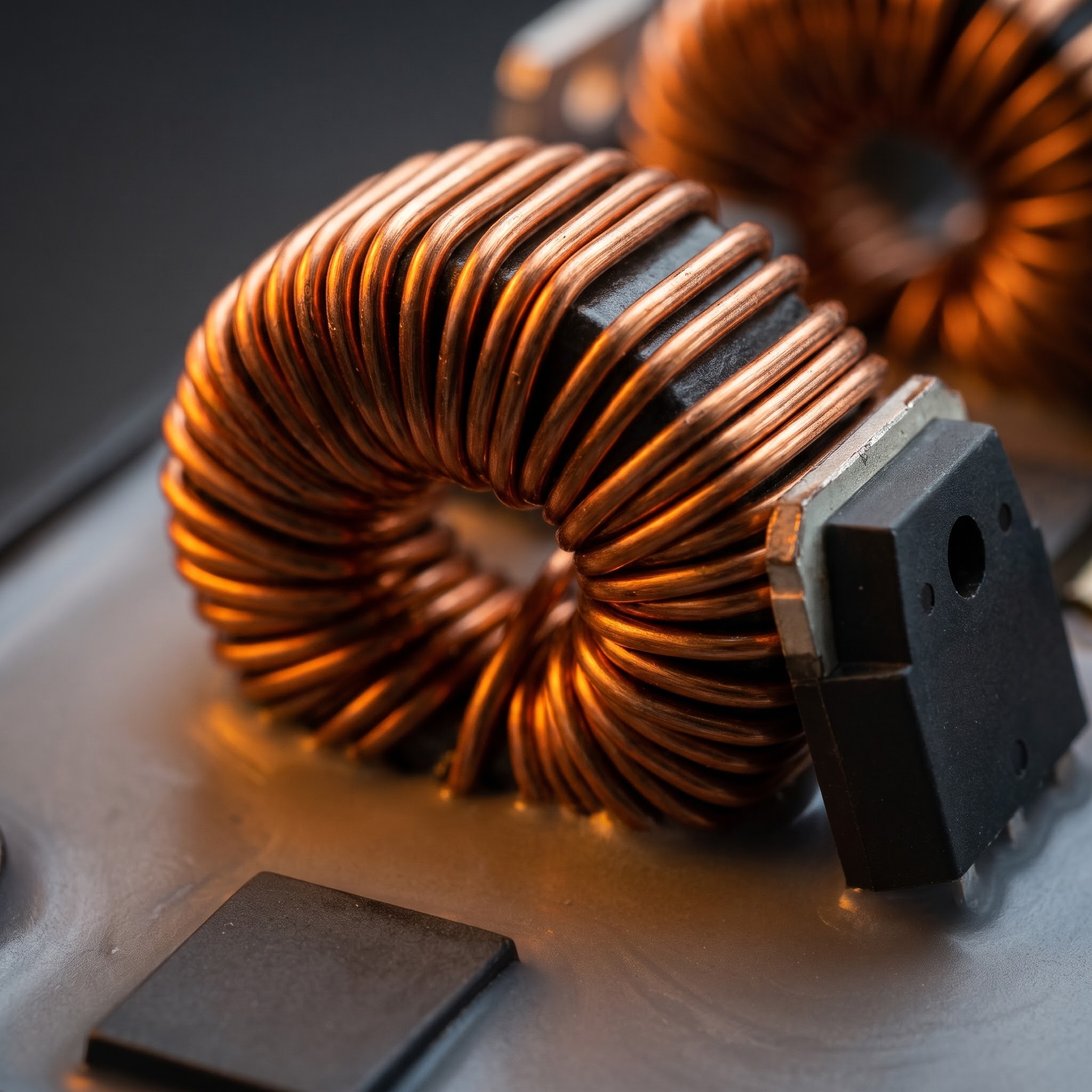
Thermal Management in Power Electronics: When is standard ELASTOSIL RT 628 enough, and when do you need to use RT 675?
Overheating electronics? See how to avoid the "thermos effect."
The miniaturisation of power systems and the development of EV technology mean that merely providing physical protection for circuits is no longer enough today. You also need smart thermal management.
Did you know that a standard silicone potting compound can act like a thermos and cause your project to overheat? In our new article, we compare two powerful, yet completely different WACKER industrial silicones:
ELASTOSIL RT 628: A reliable shield. For when you need armour-like mechanical protection and a material that will simply survive at 180°C.
ELASTOSIL RT 675: An active heatsink. For when electronics generate massive amounts of heat that must be instantly dissipated to the outside (Thermal Management).
Find out when a hard protective shield is enough, and when you need to use a thermally conductive silicone to protect your system from failure.
WACKER ELASTOSIL N 2189 vs N 2034 – Which RTV-1 Silicone Should You Choose for Applications Requiring UL 94 V-0?
ELASTOSIL® N 2189 or N 2034? Both products offer excellent flame-retardant properties, but they differ in their characteristics and application behaviour. N 2189 is a stable, non-sag silicone designed for demanding sealing applications, while N 2034 stands out for its low viscosity and self-levelling properties. Find out exactly how these two materials differ and which one is better suited to the requirements of your specific application.
ELASTOSIL® AUX G 3242 vs G 3243 – Which Primer for HCR Silicone Rubber Should You Choose? Comparison of Solids Content, Viscosity and Application Practice
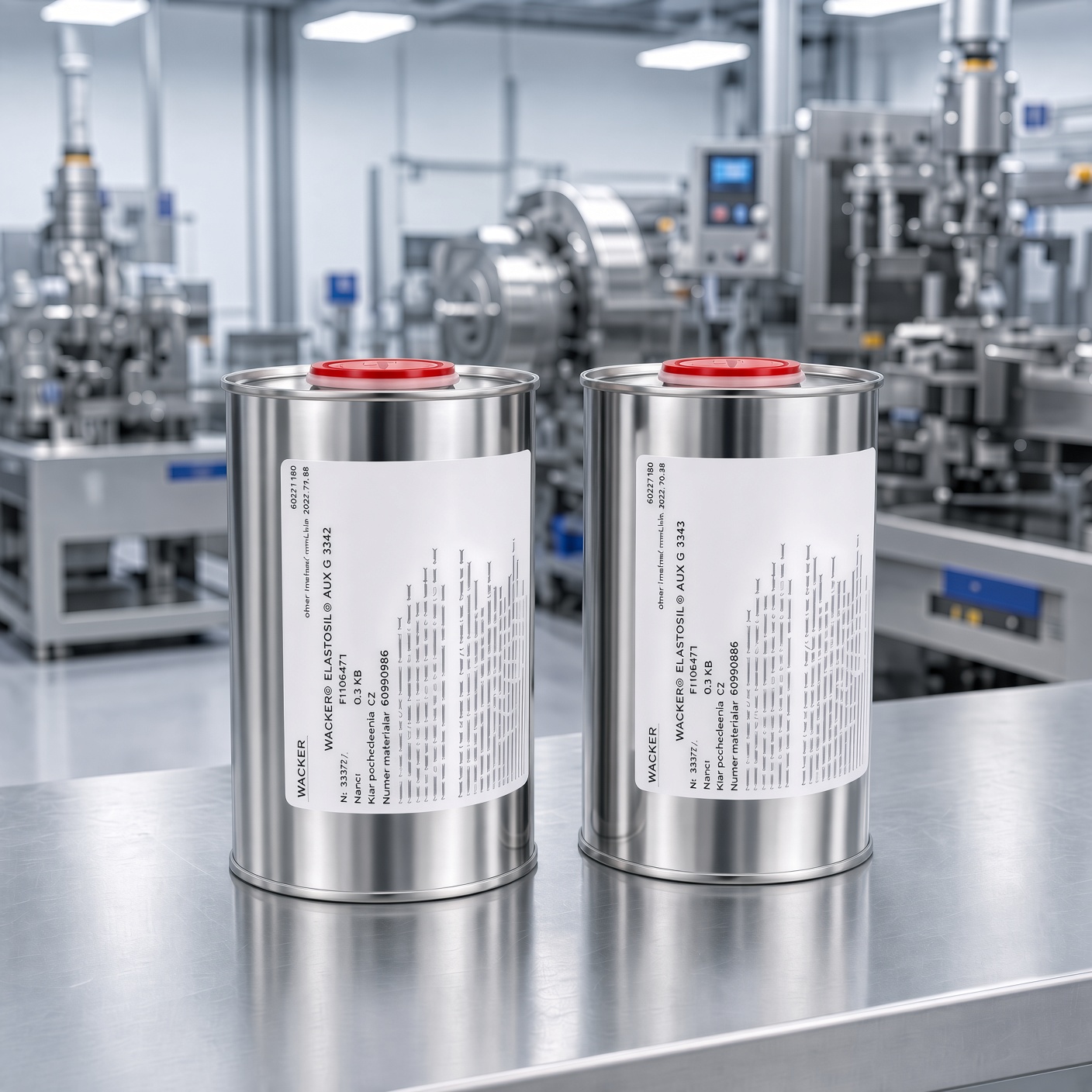
With the two primers from the ELASTOSIL® AUX series – G 3242 and G 3243 – excellent adhesion of HCR silicones to metal, ceramics or glass can be achieved, yet they differ enough that the choice of one over the other can determine the quality of the bond and the convenience of application. One has only 7 % solids content and a viscosity like water, the other as much as 23 % and is noticeably thicker. This is not a technical detail – it is a concrete decision about layer thickness, application method and the final strength of the joint.
In the full comparison you will find practical guidance on when to choose the low-viscosity version and when the concentrated one, how to properly prepare the substrate, how much time to allow for solvent evaporation, and why it is sometimes worth heating the primed part. If you work with peroxide-cured silicone elastomers, this text will enable you to select the primer consciously instead of relying on chance.
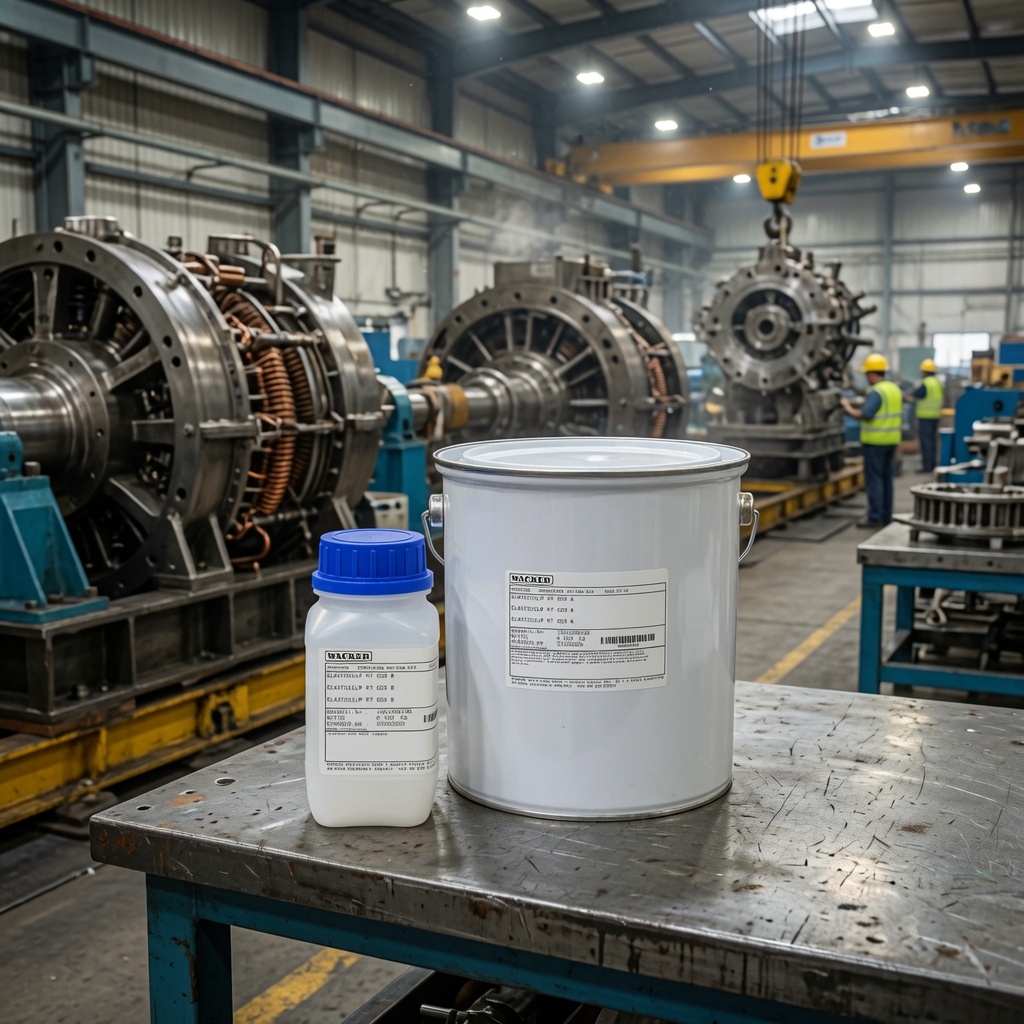
ELASTOSIL RT 628 in electrical engineering – component protection, insulation and mechanical resistance
ELASTOSIL RT 628 is a silicone that in electrical engineering combines effective electrical insulation with truly solid mechanical protection. High tear strength (12.5 N/mm) and elasticity of 220% ensure that potted components are well protected against vibrations, stresses and temperature changes, while the material does not crack or detach from the substrate. It works equally well for encapsulating delicate electronic circuits and for the elastic fixation of windings in generators.
Want to learn the exact properties, temperature range and practical application tips for this material?
Read the full article or contact us at: info@silray.pl
Processing Silicone Elastomers in Industry: A Guide and Common Mistakes
Modern industry requires materials that can withstand the most demanding conditions – from high temperatures and strong vibrations to aggressive chemical environments. Silicone elastomers are a cornerstone in manufacturing, electronics, and the automotive industry. They ensure reliability, provided that their processing is carried out flawlessly.
In the following article, we discuss the key aspects of processing RTV (Room Temperature Vulcanising) silicones and point out how to avoid typical production problems. All specialised industrial chemical products necessary to implement these processes can be found in the professional product range at silray.pl.
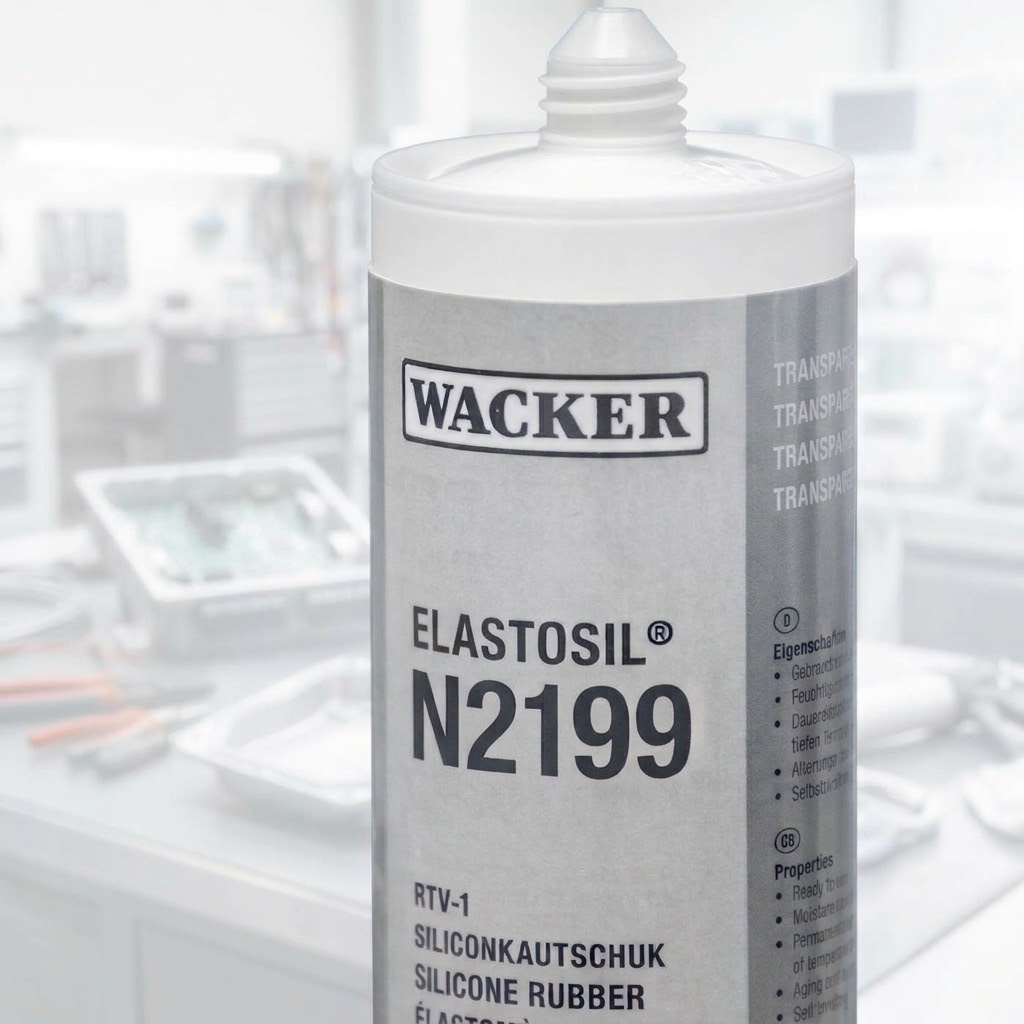
One product to replace many others. See how to optimise production with ELASTOSIL N2199
Our latest article explores the properties of the ready-to-use, one-part ELASTOSIL® N 2199 silicone. Read the full text to find out:
- Why meeting the stringent MIL-A-46146 standard is a guarantee of reliability in all conditions.
- How the acid-free, completely neutral (non-corrosive) formula protects delicate electronics from corrosion.
- How much time and operational costs you will save thanks to excellent primerless adhesion, which requires no prior surface priming.
- Why full stability in extreme temperatures (from -45°C up to +180°C) is the key to reducing service costs.
Replace dozens of specialised products with one proven solution.
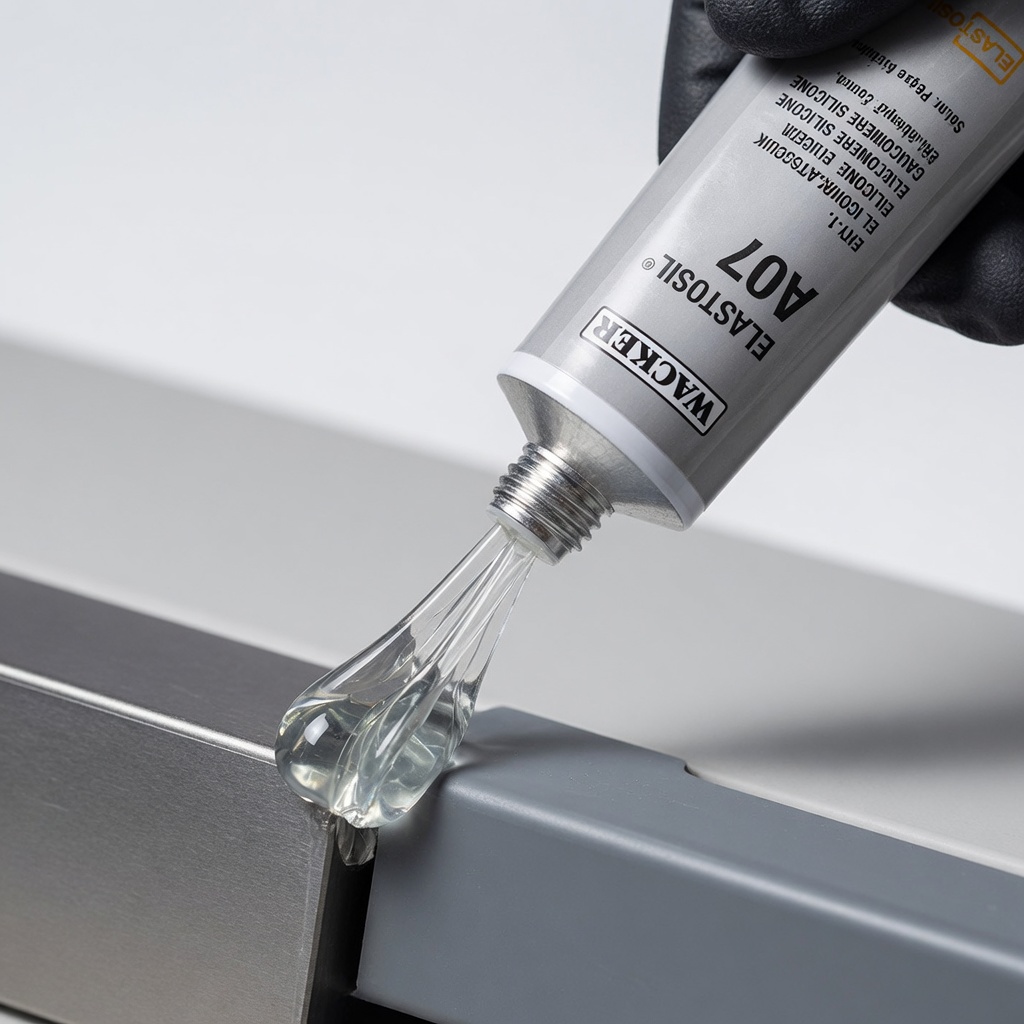
Versatility in the Industry: Where Does ELASTOSIL A07 Excel?
Are you looking for a reliable sealing and coating material for demanding conditions? Discover ELASTOSIL® A07 TRANSLUCENT – a versatile silicone dispersion that remains flexible in extreme temperatures ranging from -40°C to +180°C. Thanks to its excellent primerless adhesion and flowable consistency that makes application easy, this product is perfectly suited for the HVAC industry, among others. Learn how to achieve the perfect silicone coating step by step and fully unlock the potential of this solution in your project.
Read the full article to learn more. If you are interested in purchasing, please feel free to contact us!
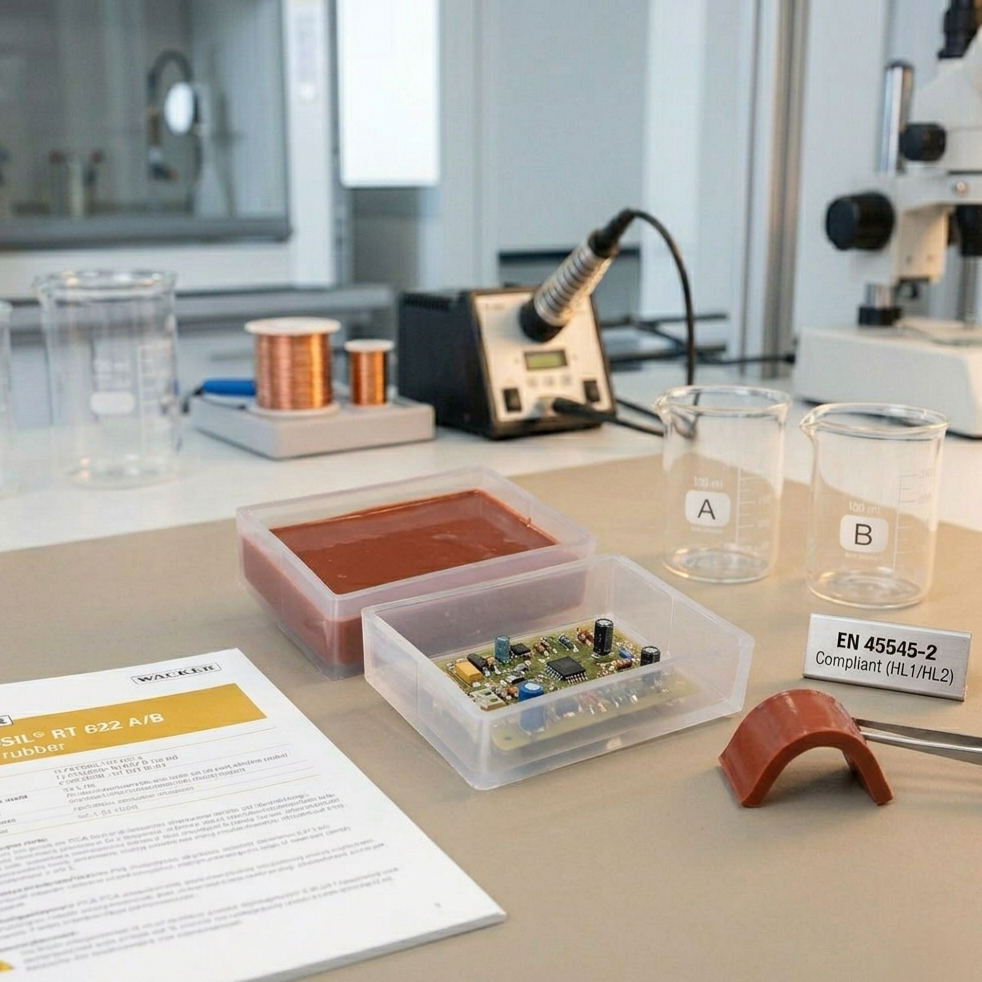
ELASTOSIL RT622 Without Compromise. Why This Silicone Is So Hard to Replace – and What the Competition Really Offers
There is no shortage of RTV-2 silicones on the market positioned as alternatives to ELASTOSIL RT 622. In practice, users most often turn to solutions from manufacturers such as Momentive (e.g. RTV 225, RTV 227), Dow (Sylgard 170, Sylgard 184), Shin-Etsu (KE-1300T, KE-1310ST), Elkem (Silbione RTV 440/450), or ACC Silicones (QSil 216/218). These are good materials – but they are designed with different priorities.
This is where the key difference emerges. RT622 is not just “another potting silicone,” but a material with an exceptionally well-balanced combination of properties: softness, mechanical strength, and long-term stability. In many cases, alternatives turn out to be either too hard, mechanically weaker, or require adjustments to the processing technology. During initial testing, these differences may seem negligible – it is only in real-world operation that the gap becomes apparent.
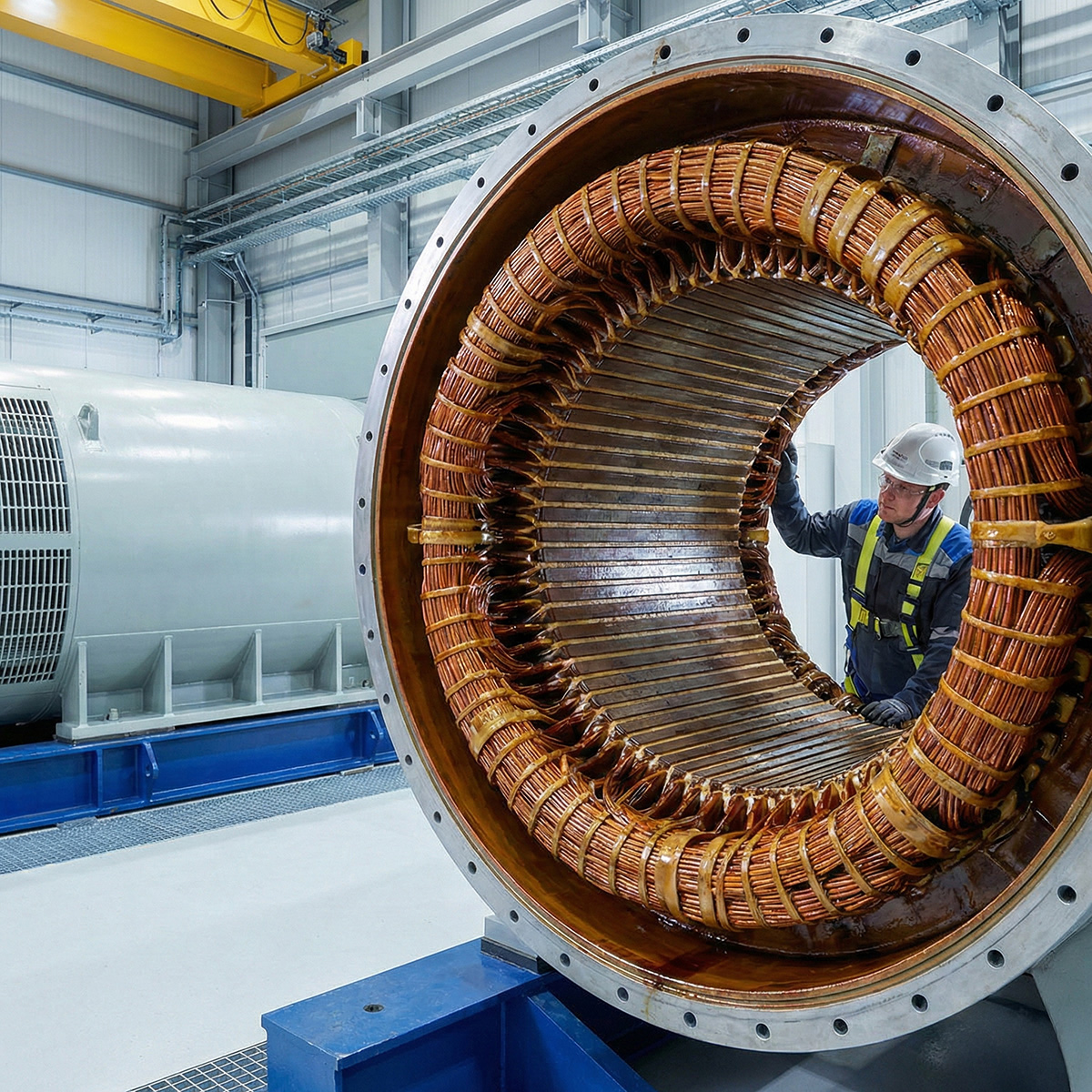
How Does ELASTOSIL® RT 628 Protect Transformer Windings?
Transformer windings operate under extreme conditions—exposed to high temperatures, constant vibrations, and humidity. This is why flexible RTV-2 silicones are increasingly used for their protection. ELASTOSIL® RT 628 A/B provides durable electrical insulation, effectively compensates for mechanical stress, and maintains stability even at temperatures up to +180°C. Discover why this silicone has become a proven solution in modern electrical engineering and the power industry.
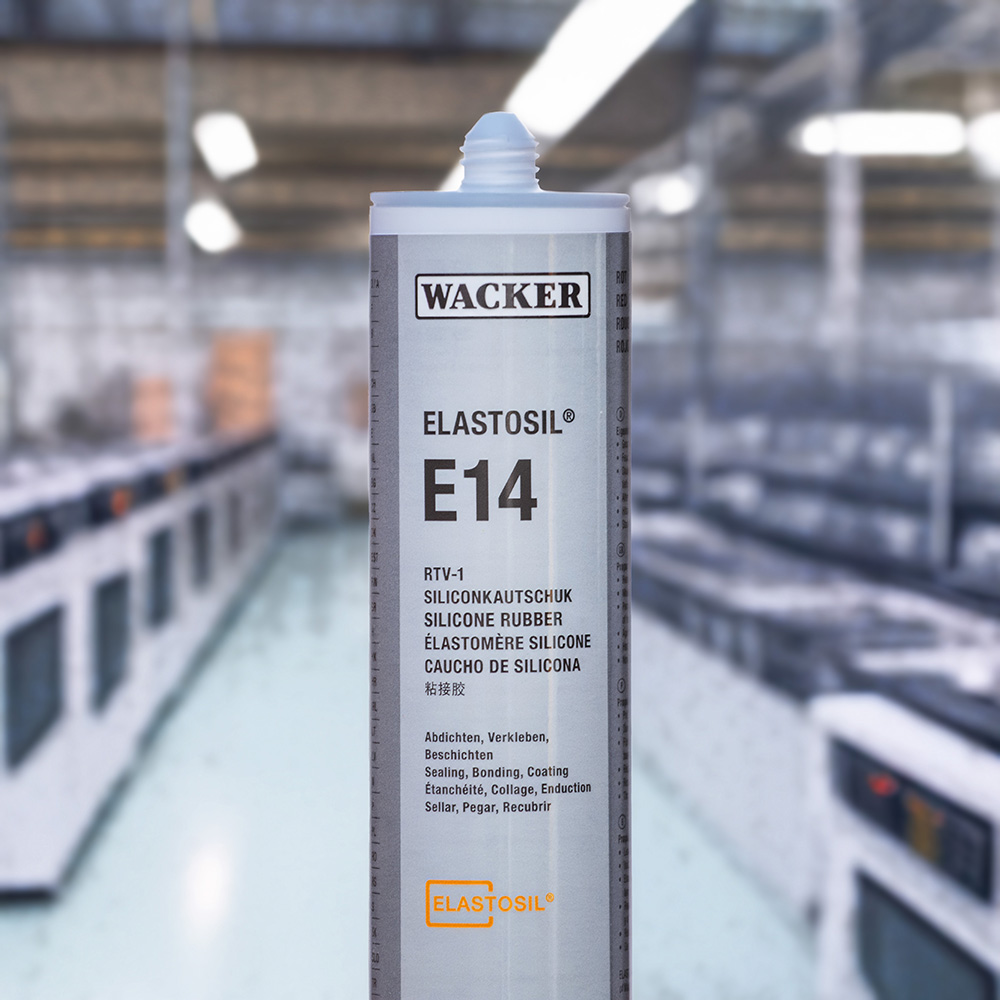
Elastosil E14 – a professional alternative to high-temperature silicone sealants for demanding applications
Elastosil® E14 is a high-temperature RTV-1 silicone adhesive designed for use in demanding industrial environments. With heat resistance up to 250°C, a dense, paste-like consistency, and excellent adhesion to metals and glass, it is commonly used as a replacement for products such as DOWSIL™ 732 (Red), Momentive RTV 106, Loctite® SI 596, as well as standard red high-temperature silicone sealants.
Unlike many commonly used sealants, Elastosil E14 does not slump on vertical surfaces, retains its elasticity after curing, and provides a stable, durable bond even under intensive thermal cycling. It is the solution of choice wherever reliability, consistency, and long-term performance are essential.

Elastosil RT623 or RT623 KR? Same product number, completely different working speed
RT 623 or RT 623 KR? Although the name sounds similar, the differences in real production use are significant. The KR version was designed for fast cycles and mass production, while the standard RT 623 offers greater process control and working comfort for more complex moulds. Find out which variant better suits your technology and learn how to choose the right silicone for real production conditions.
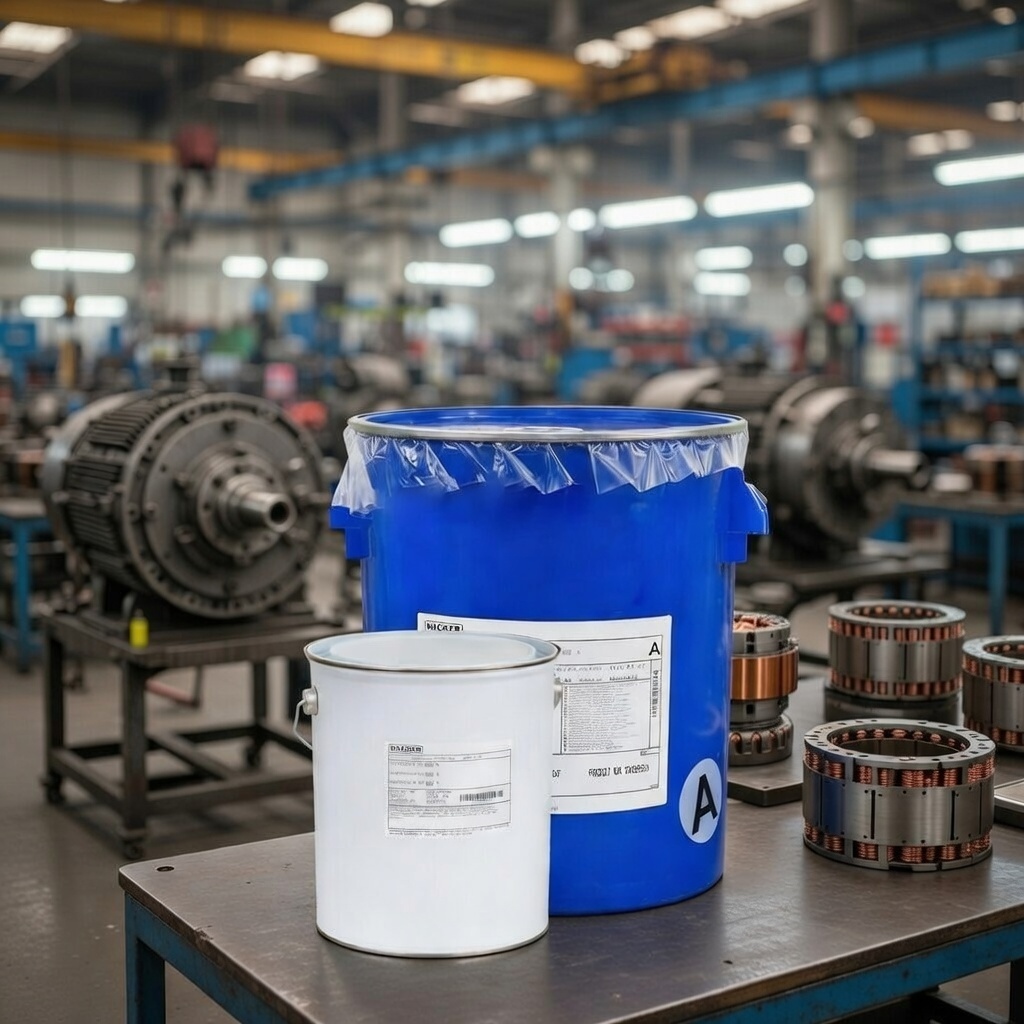
ELASTOSIL RT622 in Traction Motor Repairs – Soft Protection with a Tough Reputation
Traction motors operate in extreme conditions where traditional resins and varnishes often fail prematurely. This is why an increasing number of railway and tram service centres are turning to ELASTOSIL® RT 622 silicone. Thanks to its soft structure, high resistance, and excellent electrical insulation properties, this material can significantly extend the lifespan of refurbished components. To discover why RT 622 has become one of the most effective solutions in traction motor regeneration, read the full article.
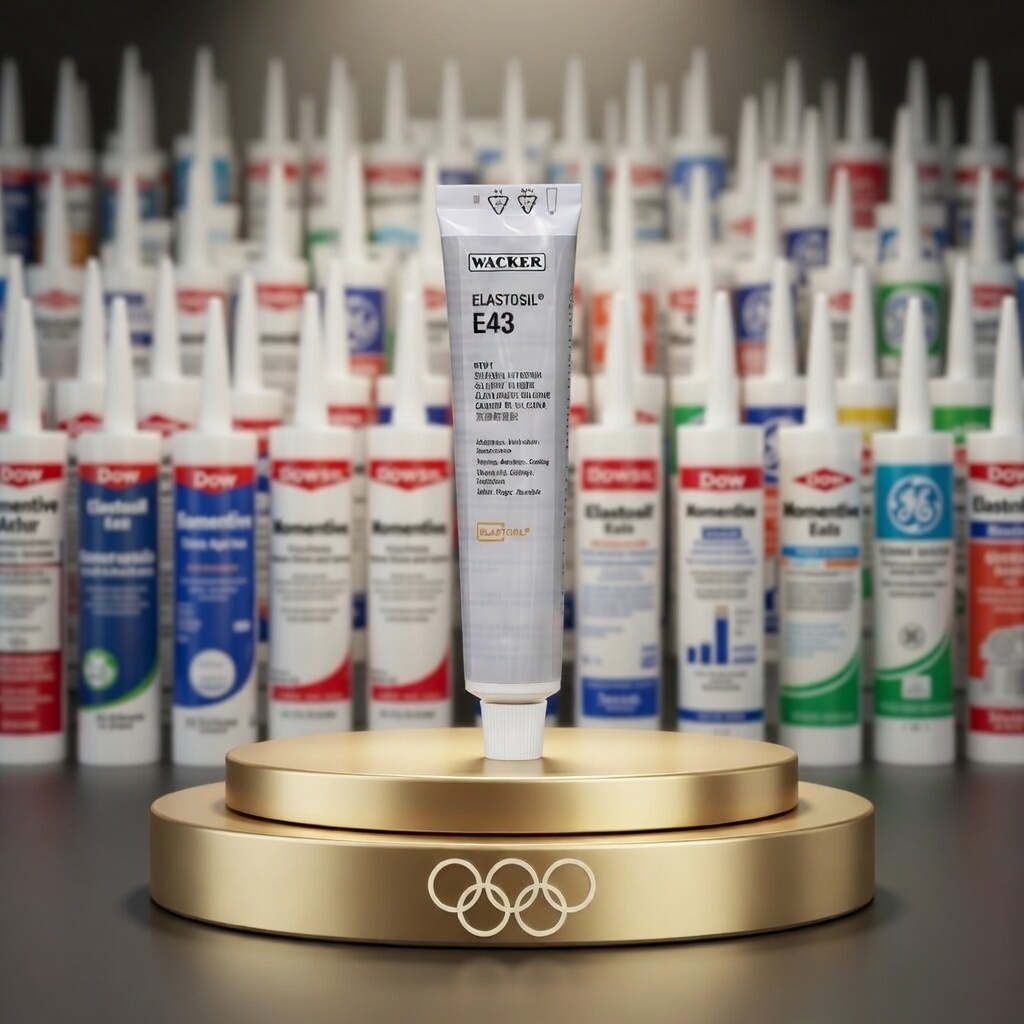
ELASTOSIL E43 – when standard solutions stop working
Not every silicone is the same. In demanding industrial and electronic applications, the differences between materials become apparent very quickly — especially where durability, adhesion, and resistance to operating conditions matter most.
In this article, we take a closer look at ELASTOSIL E43 — a specialised RTV-1 silicone adhesive that, thanks to its fluid consistency and exceptional adhesive properties, is often chosen where other solutions fall short. In practice, it is a material capable of taking on the role of several different products, simplifying processes and increasing the reliability of bonded joints.
If you want to learn why E43 is regarded as one of the strongest solutions in its class, where it performs best, and what sets it apart from standard silicones — we invite you to read the full article.
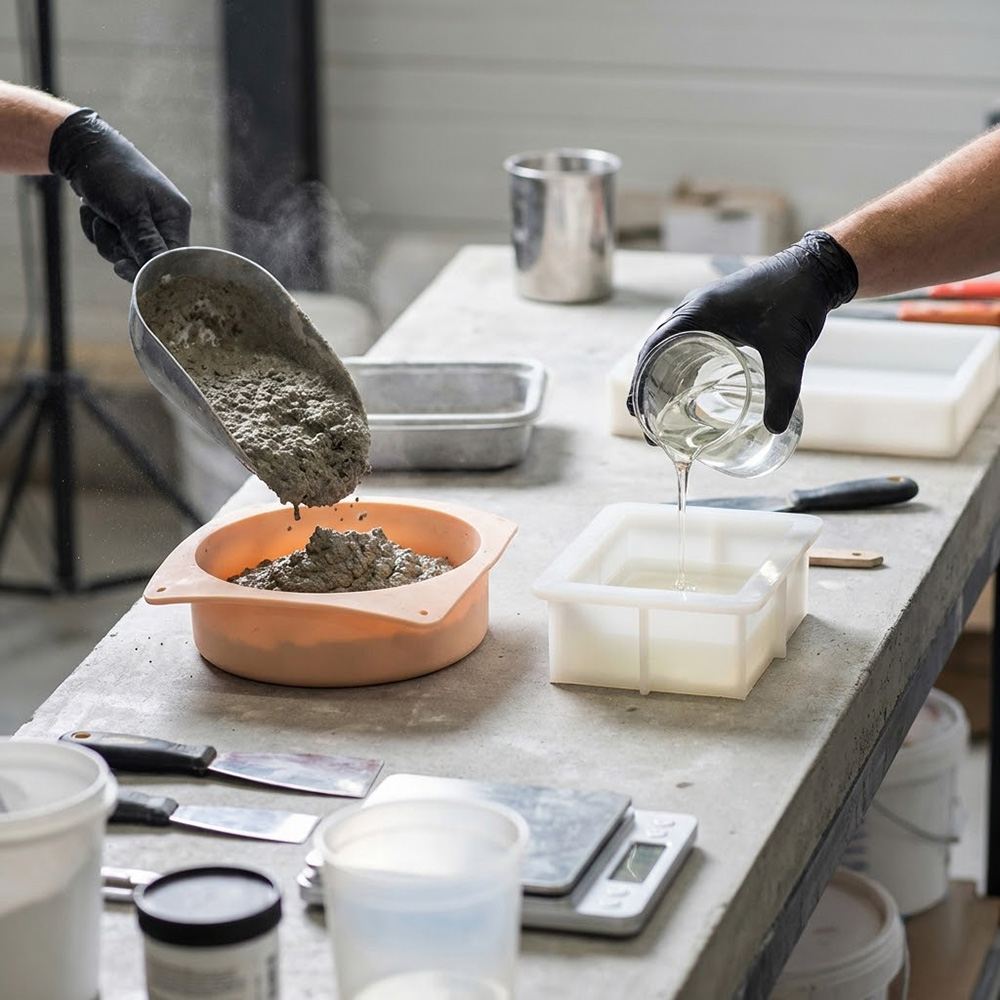
Hard or Flexible? How to Choose the Perfect Mould-Making Silicone?
Architectural concrete, precision resin casts, or perhaps chocolate moulds? Every project requires a different rubber specification. Choosing the wrong silicone carries the risk of damaging your model and wasting money.
In our latest guide, we compare three professional Wacker solutions: Cenusil M 830, Elastosil M 4630, and Elastosil M 4670. Find out when to opt for extreme flexibility and when to choose technical rigidity. Stop guessing – make an informed choice.
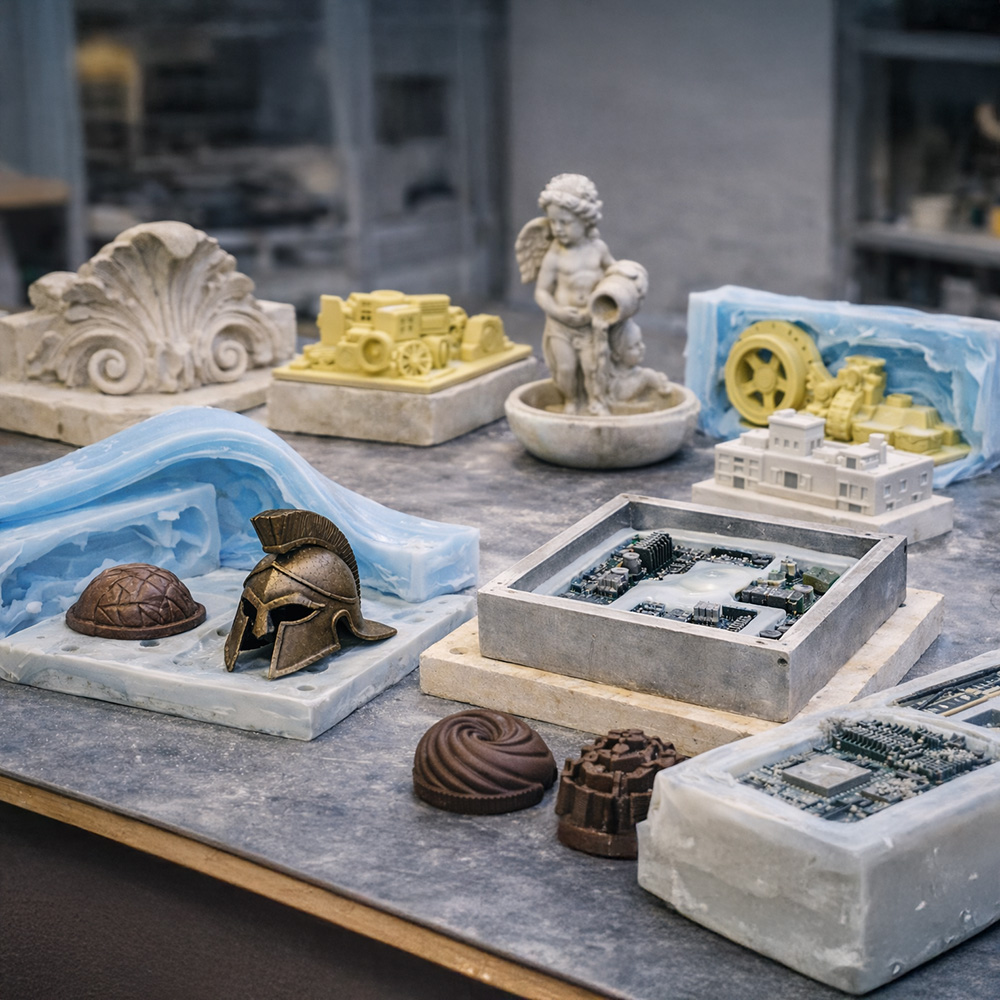
One system – many industries. Where does ELASTOSIL VARIO truly prove its value?
ELASTOSIL® VARIO is a modular RTV-2 silicone system that allows precise adjustment of hardness, elasticity, and reaction time to match a specific application. Thanks to its addition-cure chemistry, zero shrinkage, and excellent detail reproduction, the same system performs reliably in prototyping, industrial moulds, electronics, crafts, and small-batch production. In this article, we show why VARIO is not a single product, but a versatile tool that provides real process control and a technological advantage across multiple industries.