

The WACKER ELASTOSIL VARIO system consists of two silicone bases and two catalysts that combine like building blocks. The soft ELASTOSIL VARIO 15 and the harder ELASTOSIL VARIO 40 let you set mould hardness anywhere from 15 to 40 Shore A, while the CAT VARIO (normal) and CAT VARIO-F (fast) catalysts set the working pace from 2 to 150 minutes. Here is how to choose the right combination and make a silicone mould step by step.
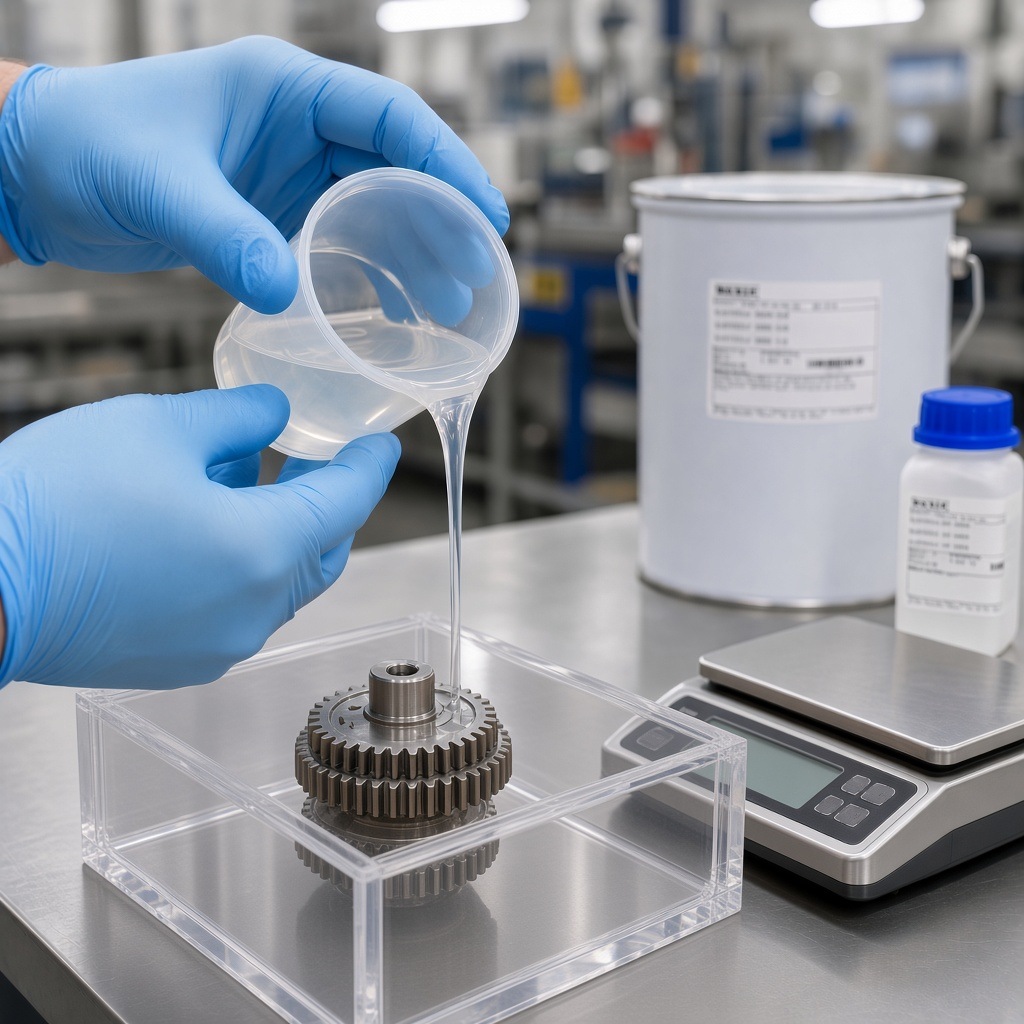
Silicone Mould with ELASTOSIL VARIO: Choosing Hardness and Catalyst
Read more

Elastosil RT623 or RT623 KR? Same product number, completely different working speed
RT 623 or RT 623 KR? Although the name sounds similar, the differences in real production use are significant. The KR version was designed for fast cycles and mass production, while the standard RT 623 offers greater process control and working comfort for more complex moulds. Find out which variant better suits your technology and learn how to choose the right silicone for real production conditions.
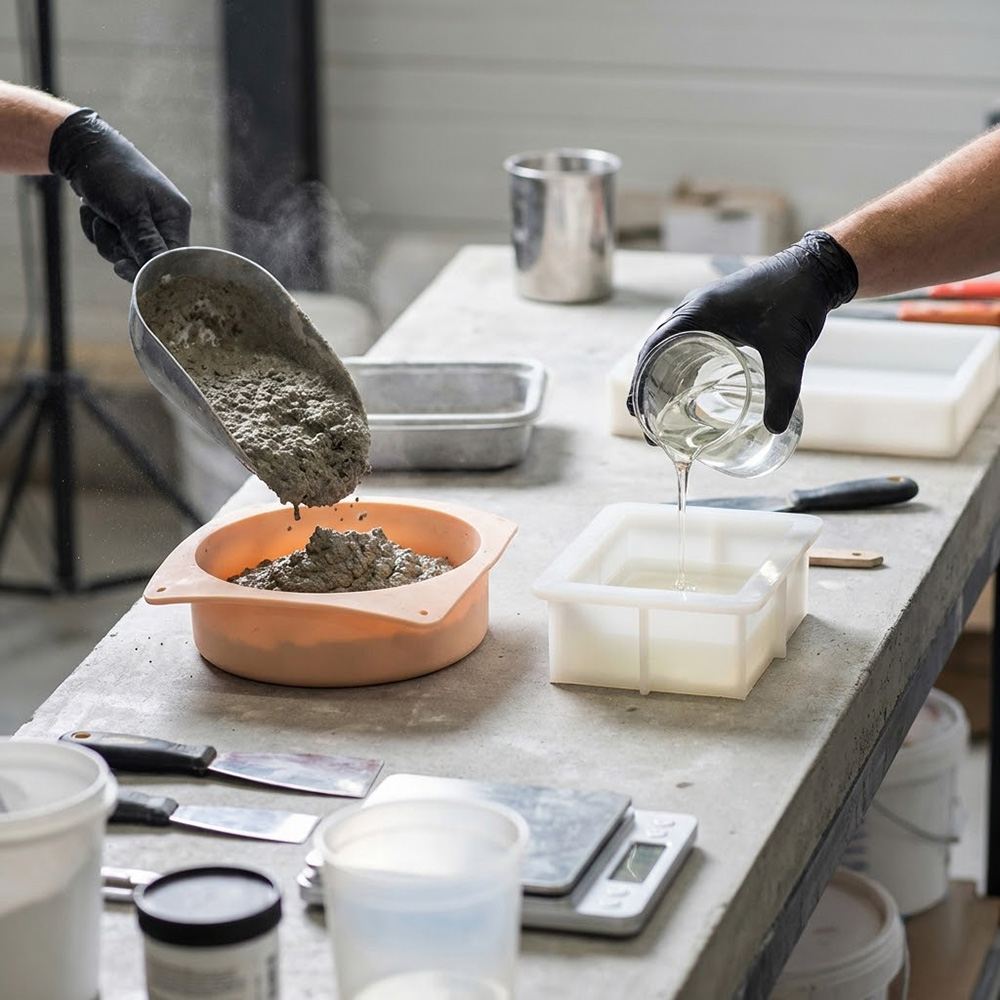
Hard or Flexible? How to Choose the Perfect Mould-Making Silicone?
Architectural concrete, precision resin casts, or perhaps chocolate moulds? Every project requires a different rubber specification. Choosing the wrong silicone carries the risk of damaging your model and wasting money.
In our latest guide, we compare three professional Wacker solutions: Cenusil M 830, Elastosil M 4630, and Elastosil M 4670. Find out when to opt for extreme flexibility and when to choose technical rigidity. Stop guessing – make an informed choice.
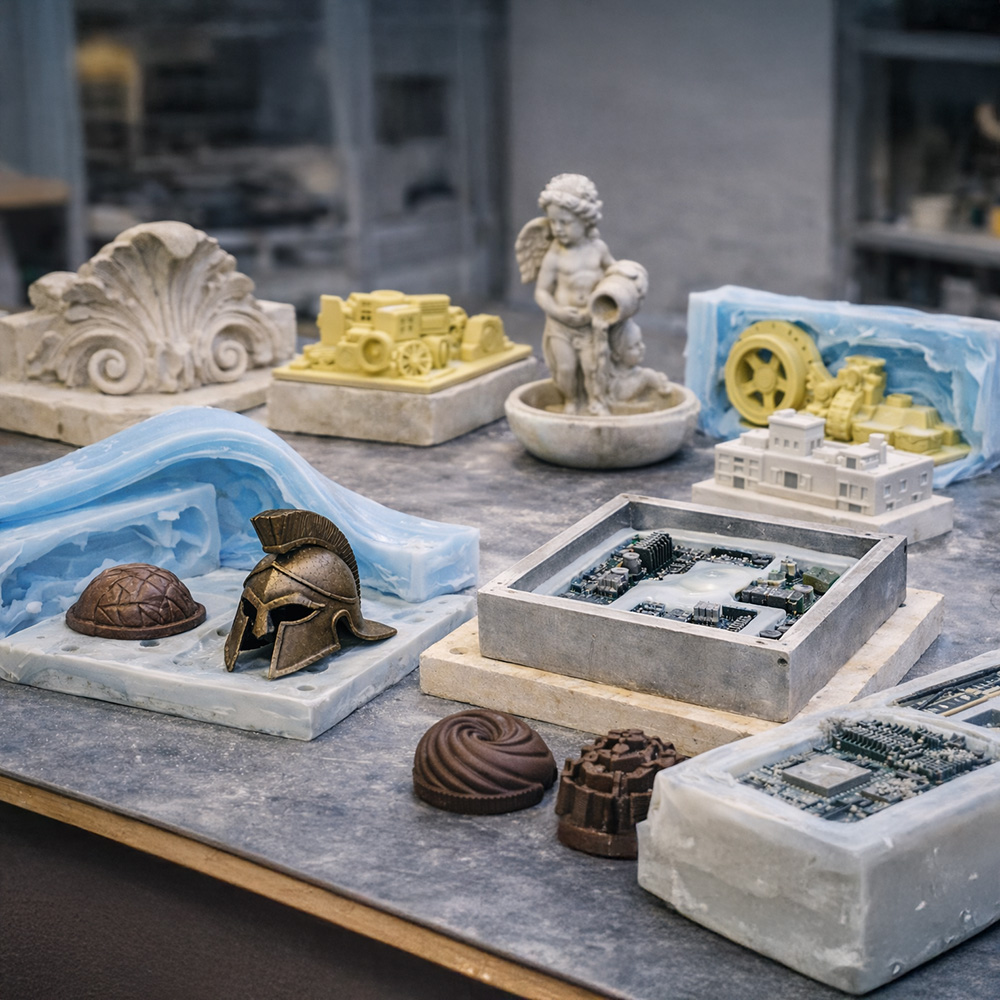
One system – many industries. Where does ELASTOSIL VARIO truly prove its value?
ELASTOSIL® VARIO is a modular RTV-2 silicone system that allows precise adjustment of hardness, elasticity, and reaction time to match a specific application. Thanks to its addition-cure chemistry, zero shrinkage, and excellent detail reproduction, the same system performs reliably in prototyping, industrial moulds, electronics, crafts, and small-batch production. In this article, we show why VARIO is not a single product, but a versatile tool that provides real process control and a technological advantage across multiple industries.
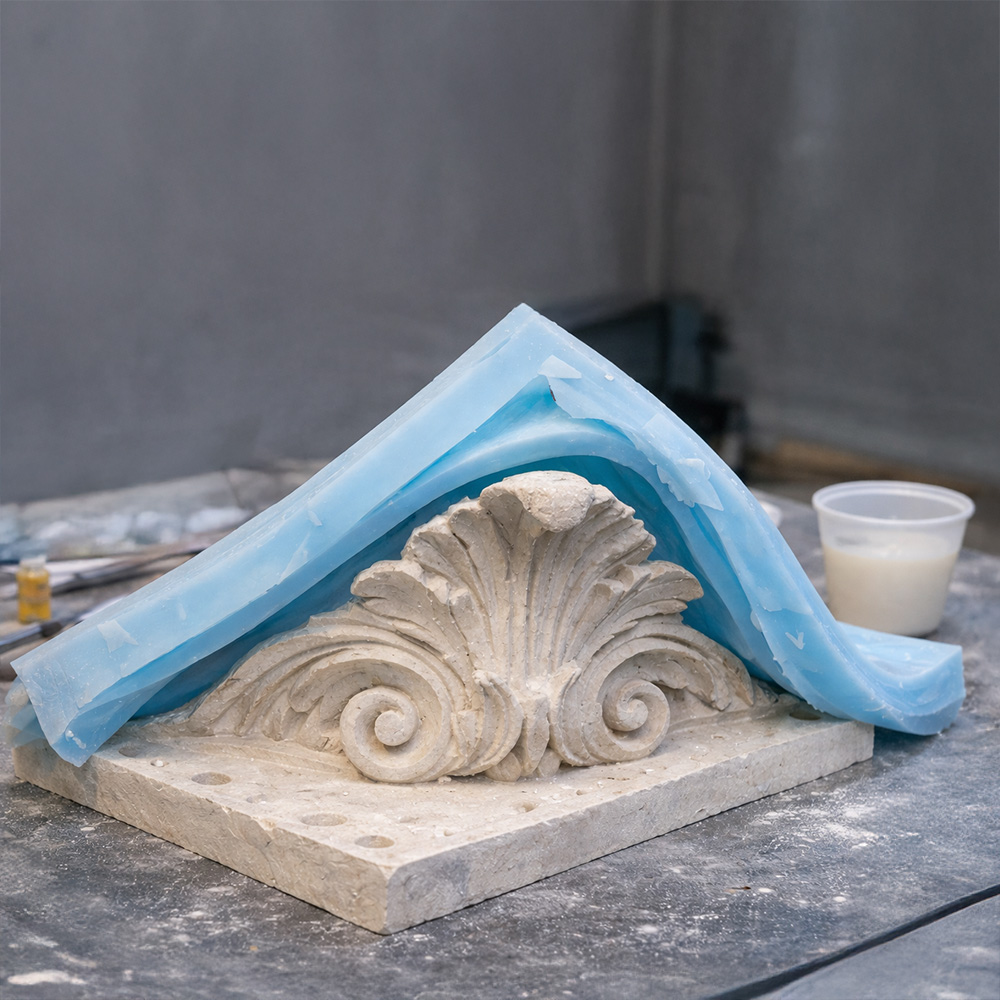
Silicones for Mould Making — How They Transformed Prototyping, Crafts, and Small-Batch Production
Silicones for mould making have revolutionised the world of prototyping, design, and small-batch production. They allow even the finest details to be reproduced with high fidelity, while remaining flexible, durable, and dimensionally stable. At the same time, they perform exceptionally well when working with resins, plaster, wax, or artistic concrete. In this article, we explain why systems such as ELASTOSIL M and RTV-2 have become the standard in design studios, the creative industries, and technical applications — and how silicone has transformed the way we think about moulding and creating replicas.