

In low Earth orbit, solar panels go through thousands of heating and cooling cycles every year. Prompted by November's tests of perovskite modules in orbit, this article explains why the differing expansion of the cell, the glass and the substrate loads the adhesive, and why its flexibility matters. Get to know the WACKER® RTV-S 691 A/B silicone for bonding solar cells.
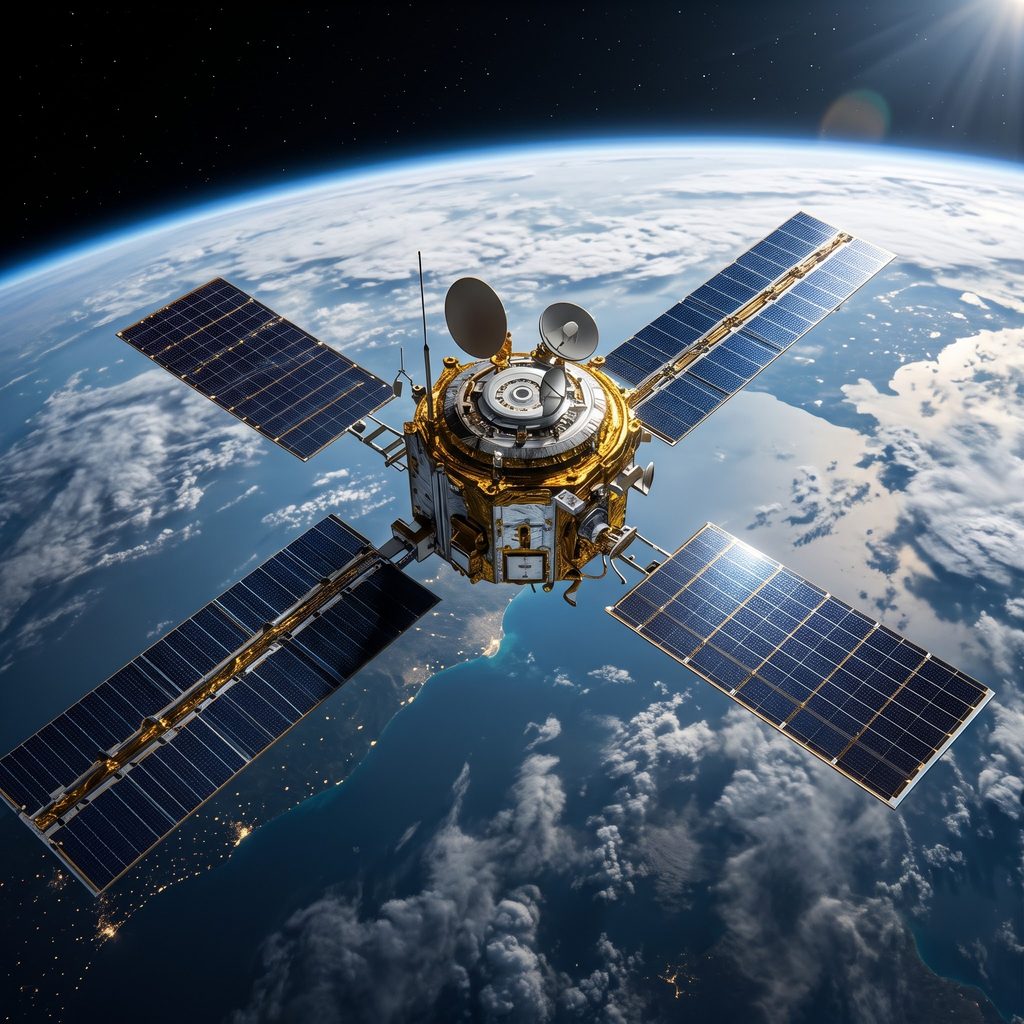
Minus a hundred degrees and back: why adhesive in orbit must not crack
Read more
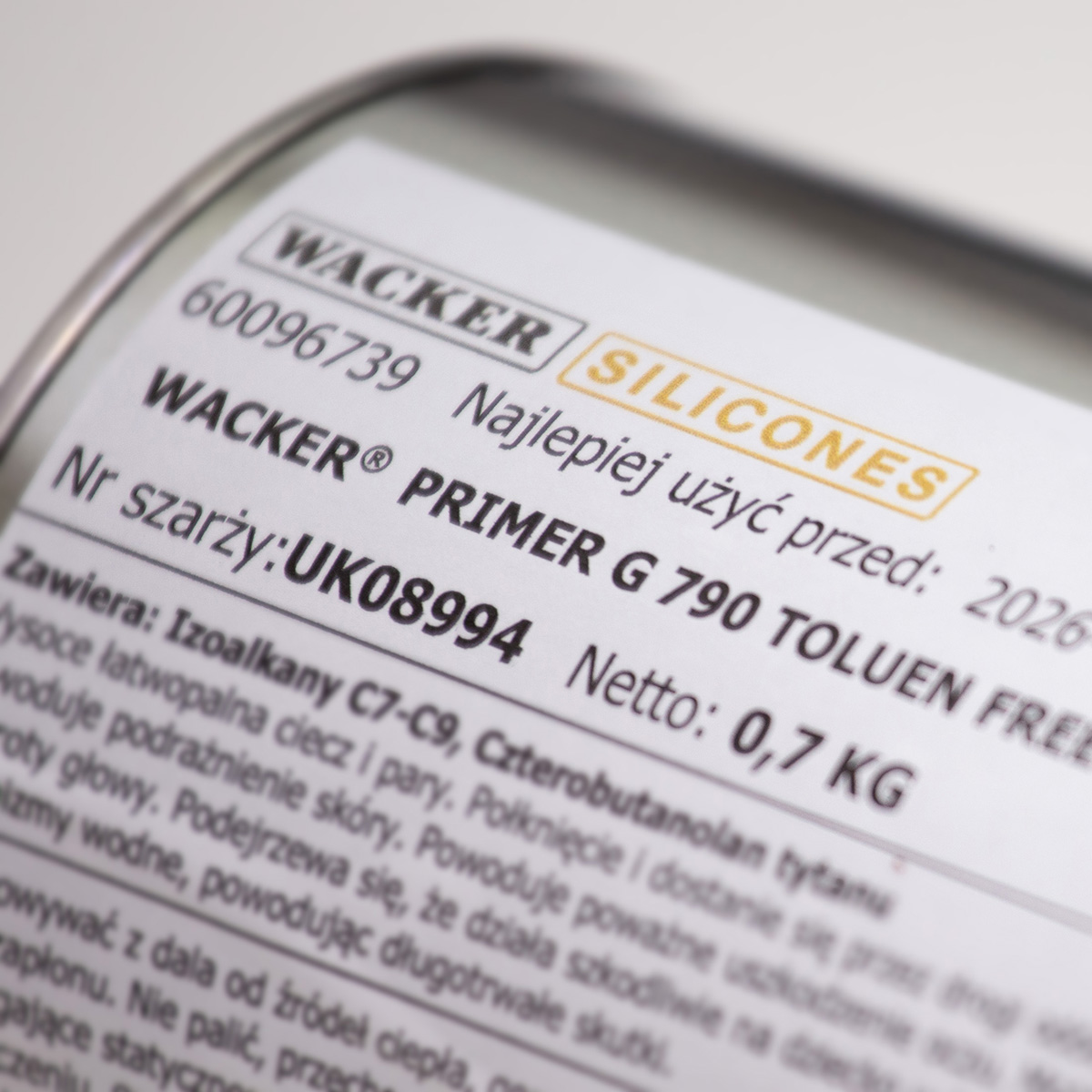
Primer G 790 – when to use it and how to apply it correctly
Primer G 790 should be used whenever an RTV-2 or LSR silicone has to bond permanently to a substrate and retain its adhesion throughout its service life. It is especially recommended for potting electronics, moulding silicone parts and applications exposed to moisture, heat and vibration. It is not necessary, however, where the silicone is meant to remain removable or serve purely as a protective layer without adhesion.
Correct application starts with thorough cleaning and degreasing of the surface, followed by a very thin, even coat of primer applied by brush, spraying or dipping. After application, allow 30–60 minutes for the solvent to evaporate completely before applying the silicone. Used according to these rules, G 790 significantly improves bond durability and the stability of the entire process.