

Even the best radiator won’t work without a good thermal paste—but do you really need to overpay for a famous brand? Meet WACKER® PASTE P 12. This reliable silicone paste can replace products like DOWSIL™ 340, Momentive YG6260, or Shin-Etsu G-746 without any modifications to your production process. It guarantees extremely low oil separation (<0.4%), cuts thermal resistance by half, and secures your supply chain.
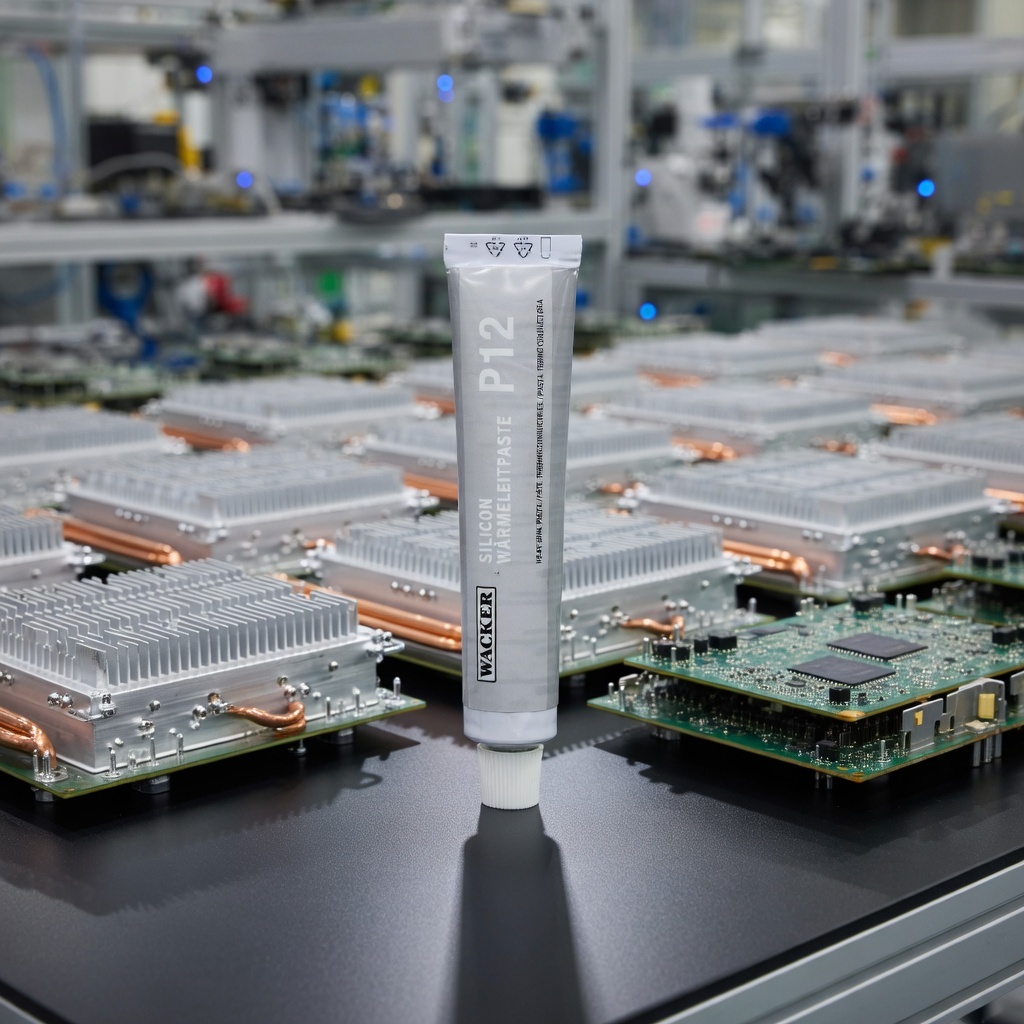
A radiator isn’t everything. Why are engineers switching to WACKER PASTE P12 in droves?
Read more
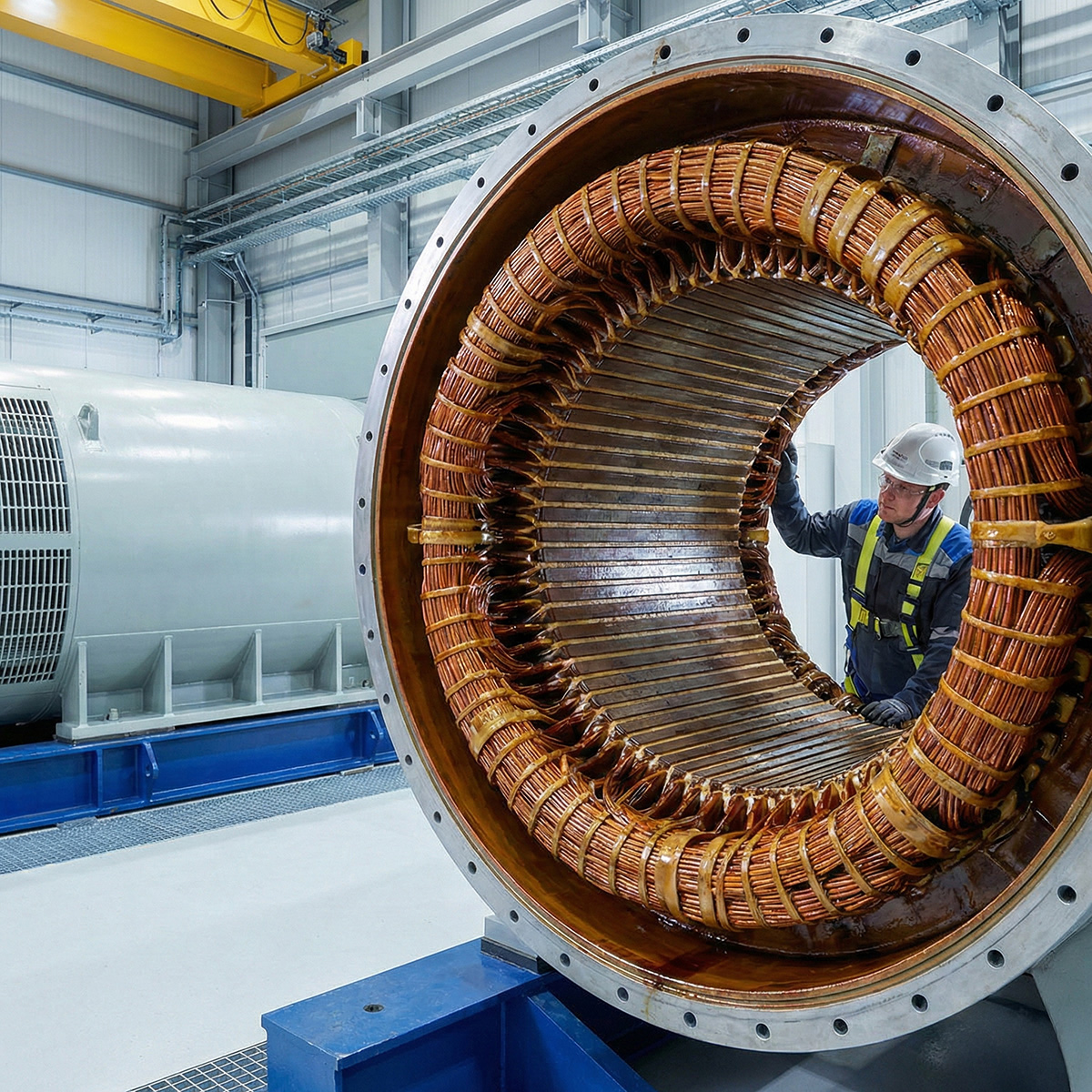
How Does ELASTOSIL® RT 628 Protect Transformer Windings?
Transformer windings operate under extreme conditions—exposed to high temperatures, constant vibrations, and humidity. This is why flexible RTV-2 silicones are increasingly used for their protection. ELASTOSIL® RT 628 A/B provides durable electrical insulation, effectively compensates for mechanical stress, and maintains stability even at temperatures up to +180°C. Discover why this silicone has become a proven solution in modern electrical engineering and the power industry.
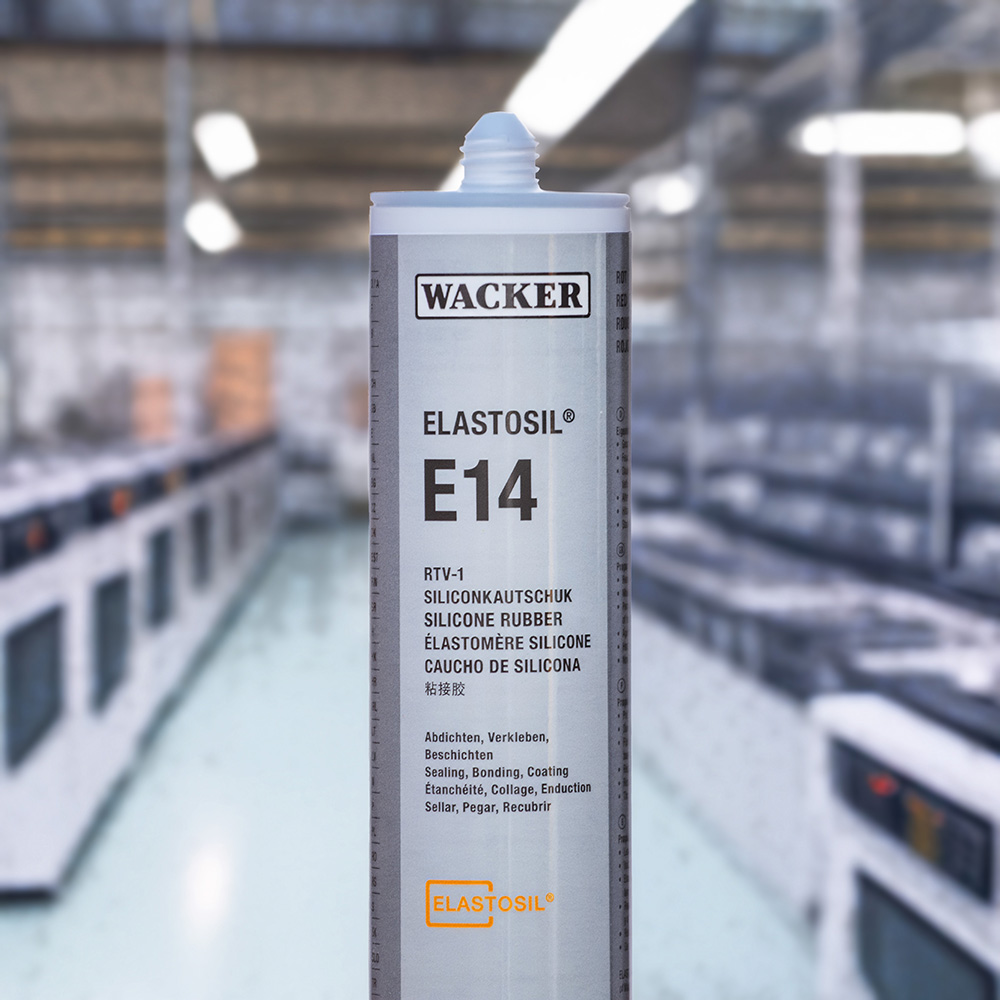
Elastosil E14 – a professional alternative to high-temperature silicone sealants for demanding applications
Elastosil® E14 is a high-temperature RTV-1 silicone adhesive designed for use in demanding industrial environments. With heat resistance up to 250°C, a dense, paste-like consistency, and excellent adhesion to metals and glass, it is commonly used as a replacement for products such as DOWSIL™ 732 (Red), Momentive RTV 106, Loctite® SI 596, as well as standard red high-temperature silicone sealants.
Unlike many commonly used sealants, Elastosil E14 does not slump on vertical surfaces, retains its elasticity after curing, and provides a stable, durable bond even under intensive thermal cycling. It is the solution of choice wherever reliability, consistency, and long-term performance are essential.

Elastosil RT623 or RT623 KR? Same product number, completely different working speed
RT 623 or RT 623 KR? Although the name sounds similar, the differences in real production use are significant. The KR version was designed for fast cycles and mass production, while the standard RT 623 offers greater process control and working comfort for more complex moulds. Find out which variant better suits your technology and learn how to choose the right silicone for real production conditions.
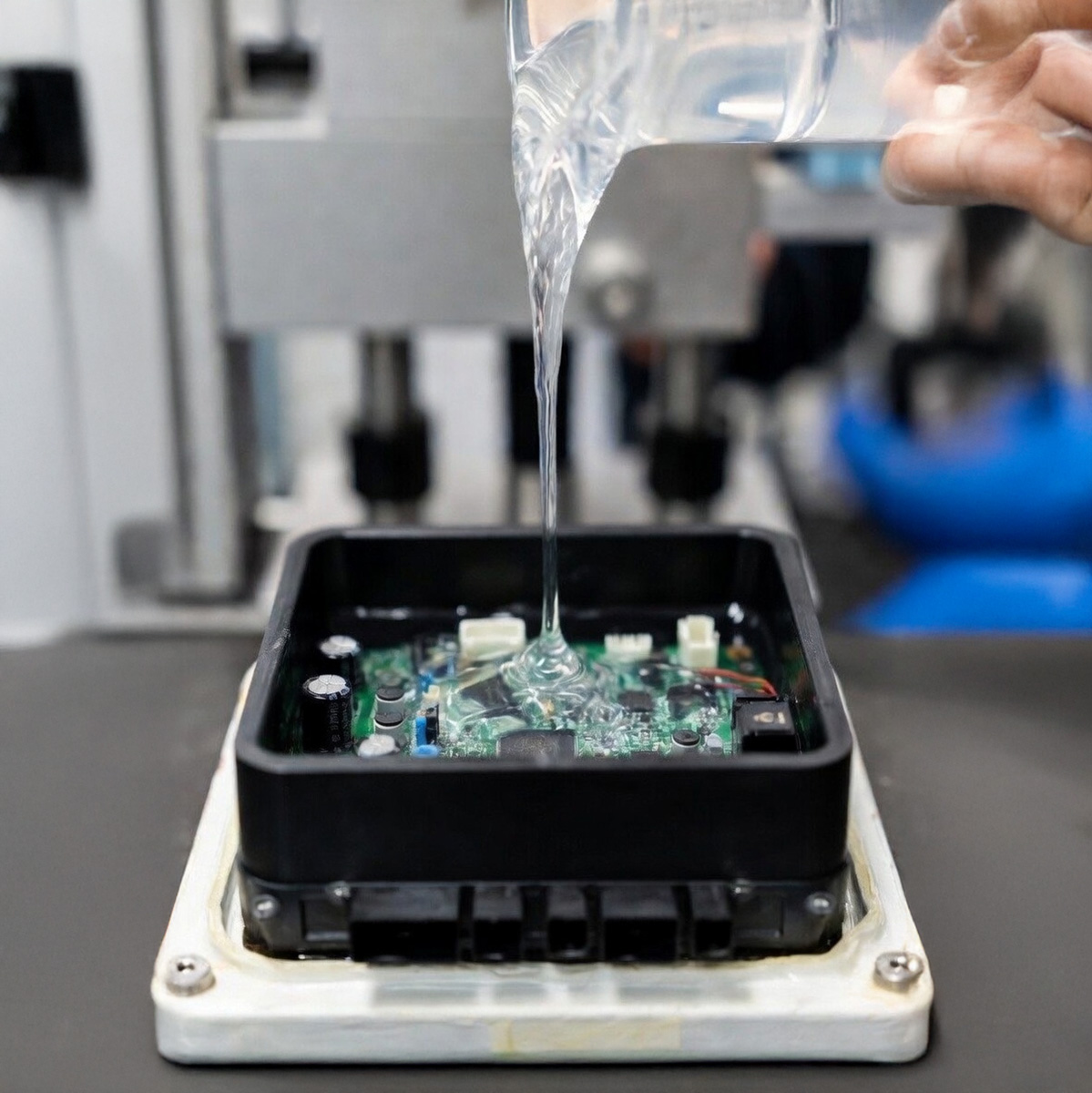
Soft as a gel, tough as armour. Why WACKER SilGel 612 is the best alternative to popular dielectric potting compounds
Soft as a gel, tough as armour. Discover WACKER SilGel® 612. Are your current potting compounds damaging delicate components and breaking solder joints during temperature fluctuations? It’s time for a change. Find out why the ultra-soft WACKER SilGel® 612 is becoming the new standard in the electronics industry, successfully replacing legacy market leaders (including Sylgard 527). Secure your electronic assemblies and your supply chain.
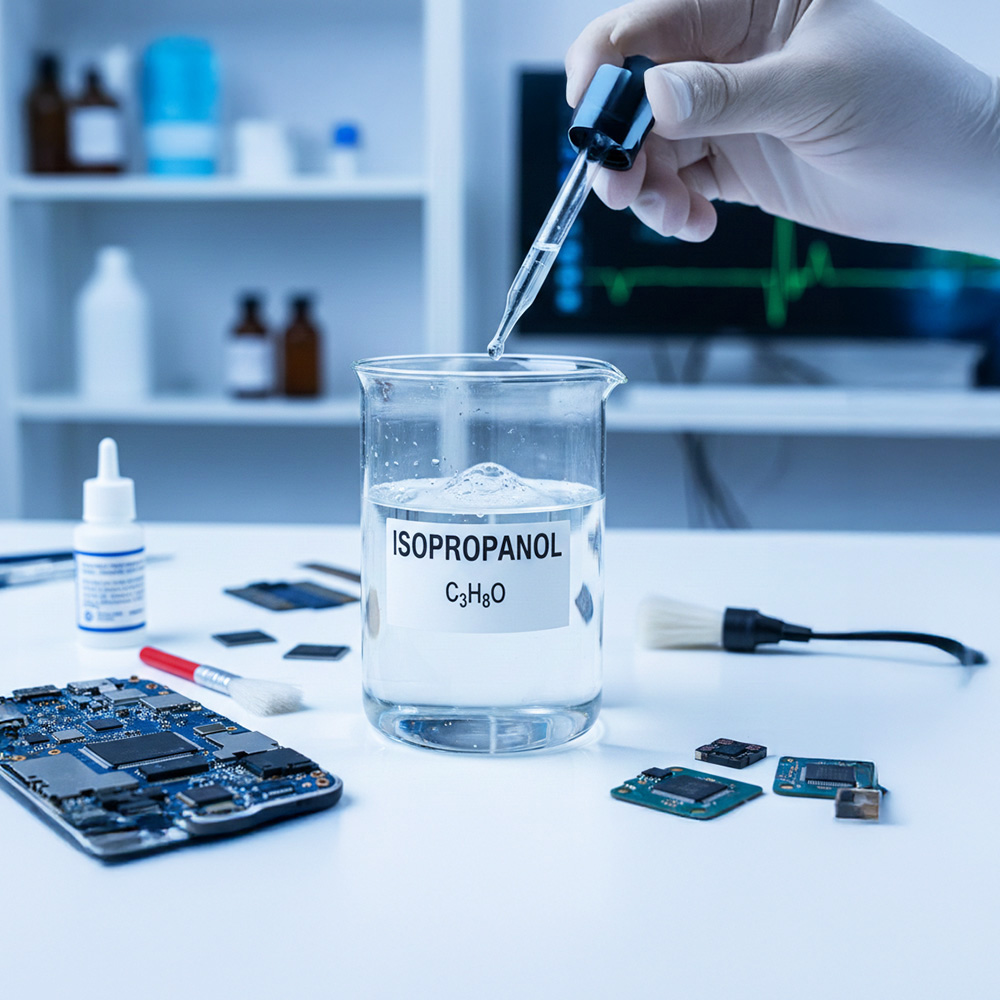
Isopropanol — The Quiet Hero of Everyday Life. From Electronics to the Pandemic: Why IPA Has Become Essential in the Modern World
From electronic servicing and industrial applications to household cleaning and the COVID-19 pandemic — isopropanol has become one of the most versatile chemical agents of our time. Why do technicians, hobbyists, and manufacturers rely on it so widely? And what makes this unassuming alcohol a bridge between the worlds of technology and everyday life?
Discover how IPA has reshaped our approach to cleaning, hygiene, and precision work…
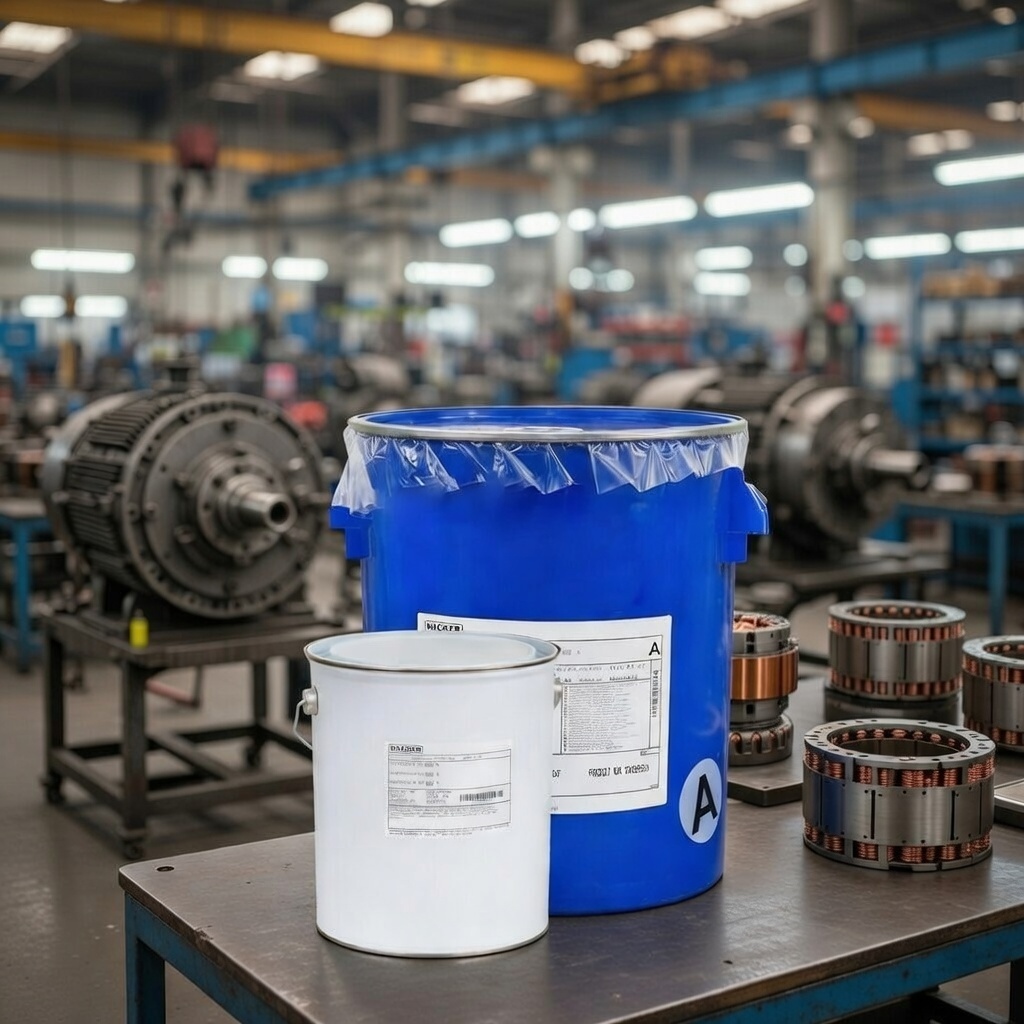
ELASTOSIL RT622 in Traction Motor Repairs – Soft Protection with a Tough Reputation
Traction motors operate in extreme conditions where traditional resins and varnishes often fail prematurely. This is why an increasing number of railway and tram service centres are turning to ELASTOSIL® RT 622 silicone. Thanks to its soft structure, high resistance, and excellent electrical insulation properties, this material can significantly extend the lifespan of refurbished components. To discover why RT 622 has become one of the most effective solutions in traction motor regeneration, read the full article.
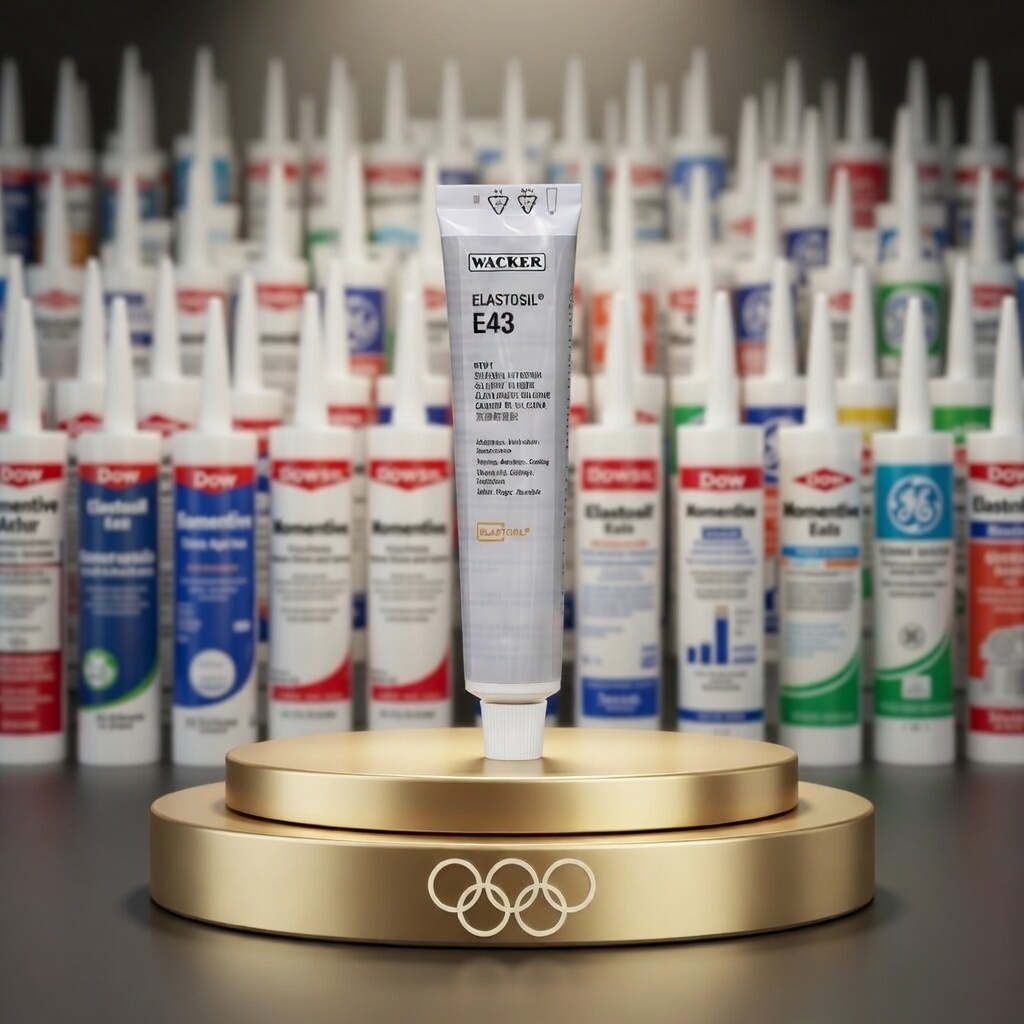
ELASTOSIL E43 – when standard solutions stop working
Not every silicone is the same. In demanding industrial and electronic applications, the differences between materials become apparent very quickly — especially where durability, adhesion, and resistance to operating conditions matter most.
In this article, we take a closer look at ELASTOSIL E43 — a specialised RTV-1 silicone adhesive that, thanks to its fluid consistency and exceptional adhesive properties, is often chosen where other solutions fall short. In practice, it is a material capable of taking on the role of several different products, simplifying processes and increasing the reliability of bonded joints.
If you want to learn why E43 is regarded as one of the strongest solutions in its class, where it performs best, and what sets it apart from standard silicones — we invite you to read the full article.
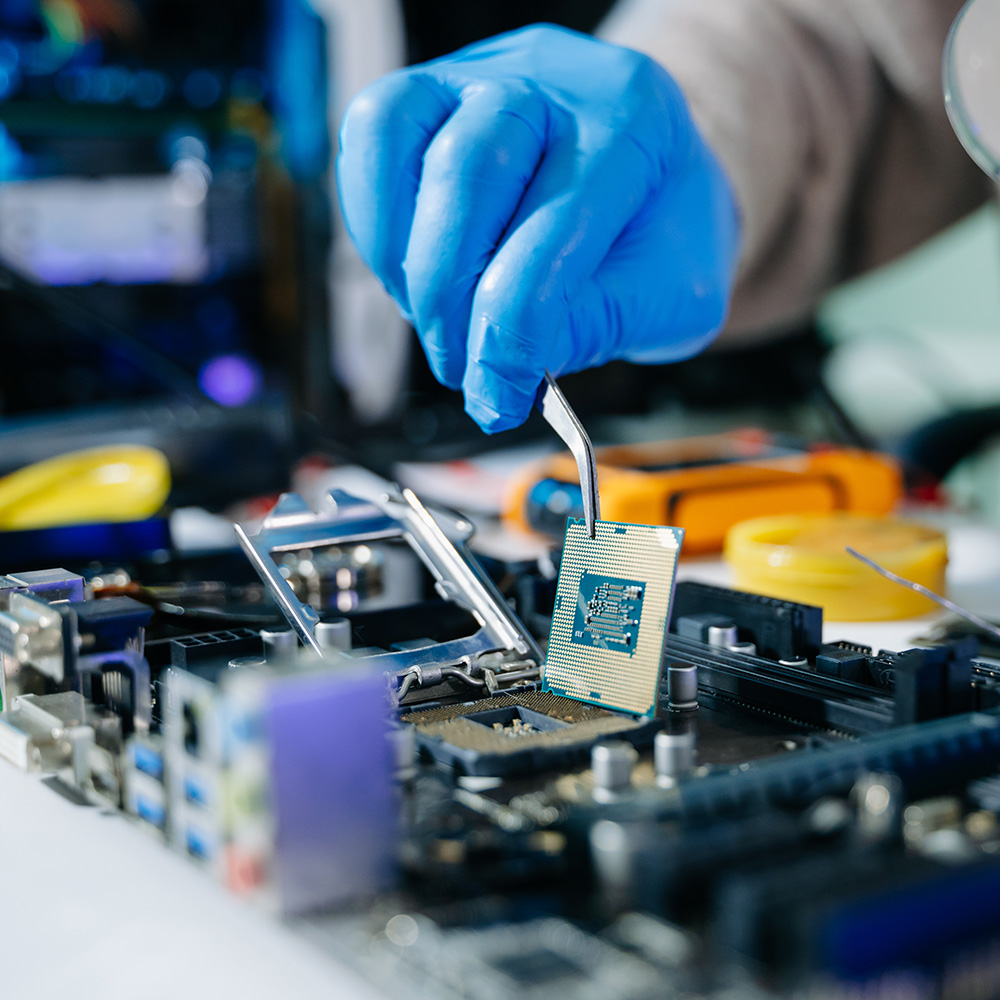
Clean electronics are reliable electronics – why choosing the right post-soldering cleaner matters
Did you know that what you use to clean a board after soldering can determine the reliability of the entire device? Rosin and flux residues can cause micro-shorts, corrosion and hard-to-detect faults – which is why the right cleaner is crucial. In this article we explain why ordinary cleaning agents are not always up to the job and why Kontakt PCB PLUS gives you an edge in servicing and precision electronics. If you work with PCBs, this article could save your projects from premature failure.
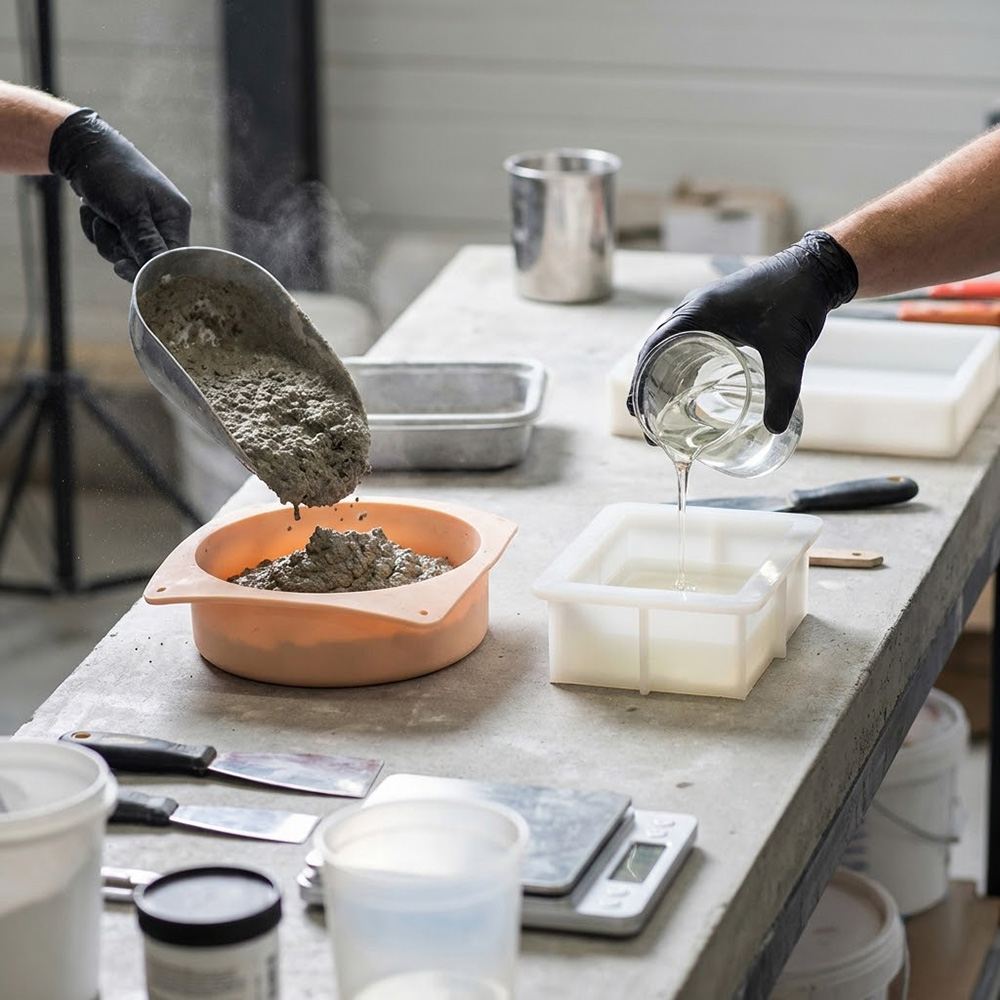
Hard or Flexible? How to Choose the Perfect Mould-Making Silicone?
Architectural concrete, precision resin casts, or perhaps chocolate moulds? Every project requires a different rubber specification. Choosing the wrong silicone carries the risk of damaging your model and wasting money.
In our latest guide, we compare three professional Wacker solutions: Cenusil M 830, Elastosil M 4630, and Elastosil M 4670. Find out when to opt for extreme flexibility and when to choose technical rigidity. Stop guessing – make an informed choice.
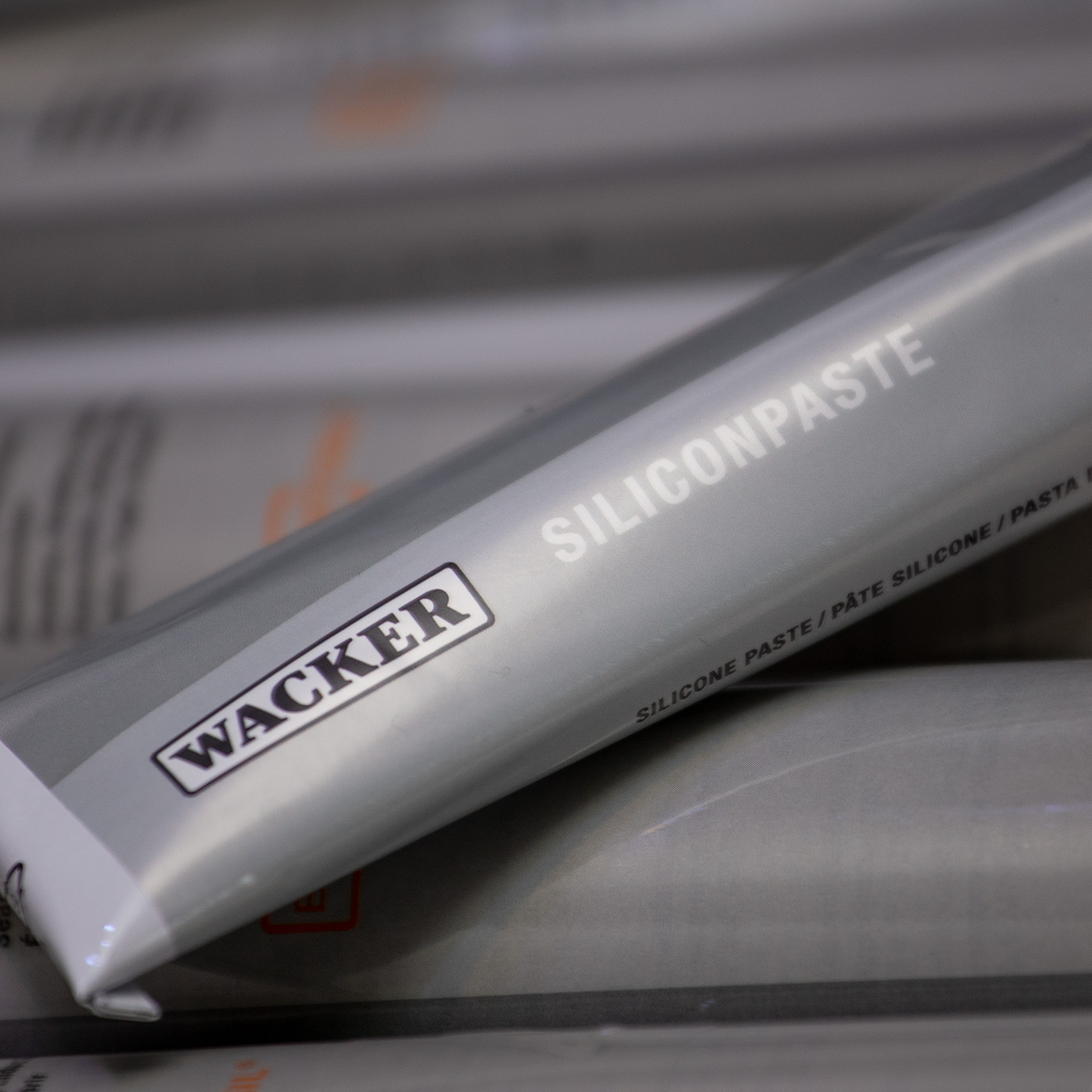
WACKER silicone pastes in practice: how do P, P12 and POWERSIL AP differ, and how do you choose the right one?
Although they often remain unseen, silicone pastes have a huge impact on the durability and reliability of devices. What distinguishes the universal Paste P from the thermally conductive Paste P12 and the specialised POWERSIL AP? In this article, we show how selecting the right silicone paste translates into safer assembly, better protection of electronic components, and long-term operational stability. Discover why these “small” materials make such a big difference.
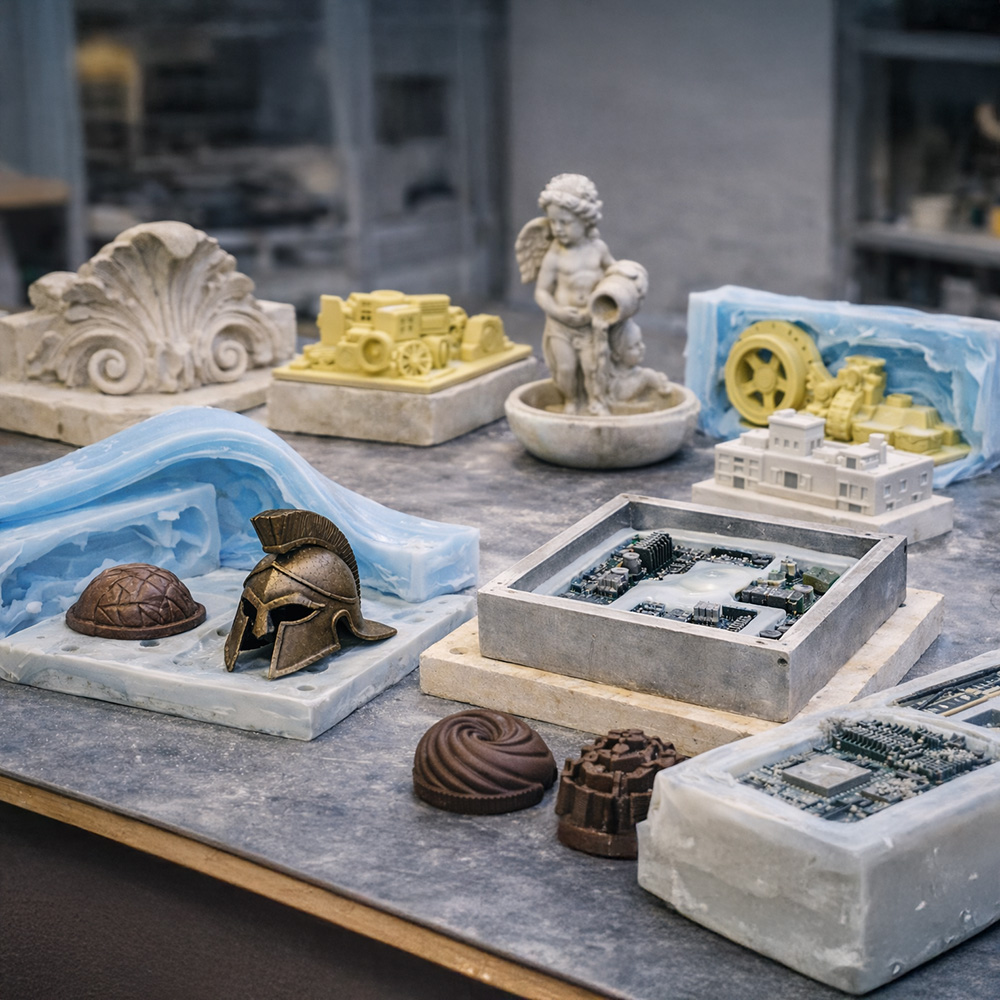
One system – many industries. Where does ELASTOSIL VARIO truly prove its value?
ELASTOSIL® VARIO is a modular RTV-2 silicone system that allows precise adjustment of hardness, elasticity, and reaction time to match a specific application. Thanks to its addition-cure chemistry, zero shrinkage, and excellent detail reproduction, the same system performs reliably in prototyping, industrial moulds, electronics, crafts, and small-batch production. In this article, we show why VARIO is not a single product, but a versatile tool that provides real process control and a technological advantage across multiple industries.
WACKER ELASTOSIL® – a benchmark of quality in electronics and industry
ELASTOSIL silicones are materials that set the standard for electronics protection, sealing of technical equipment, and industrial manufacturing. They combine durability, resistance to extreme conditions, and exceptional stability, making them suitable for the most demanding industries — from lighting and automation to power electronics, rail, and advanced assembly systems. In this article, we show how they form a cohesive family of solutions that genuinely enhance device reliability.
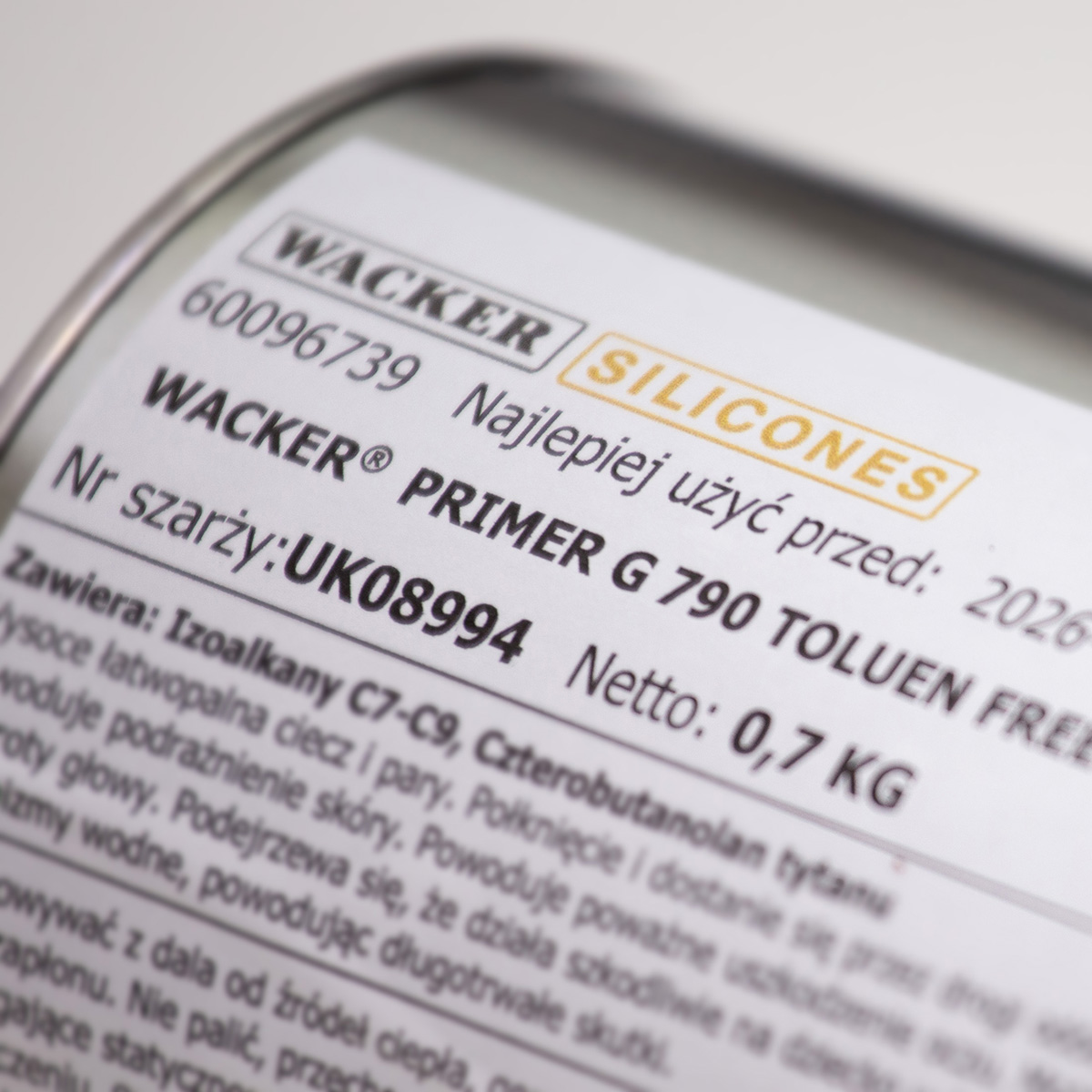
Primer G 790 – when to use it and how to apply it correctly
Primer G 790 should be used whenever an RTV-2 or LSR silicone has to bond permanently to a substrate and retain its adhesion throughout its service life. It is especially recommended for potting electronics, moulding silicone parts and applications exposed to moisture, heat and vibration. It is not necessary, however, where the silicone is meant to remain removable or serve purely as a protective layer without adhesion.
Correct application starts with thorough cleaning and degreasing of the surface, followed by a very thin, even coat of primer applied by brush, spraying or dipping. After application, allow 30–60 minutes for the solvent to evaporate completely before applying the silicone. Used according to these rules, G 790 significantly improves bond durability and the stability of the entire process.
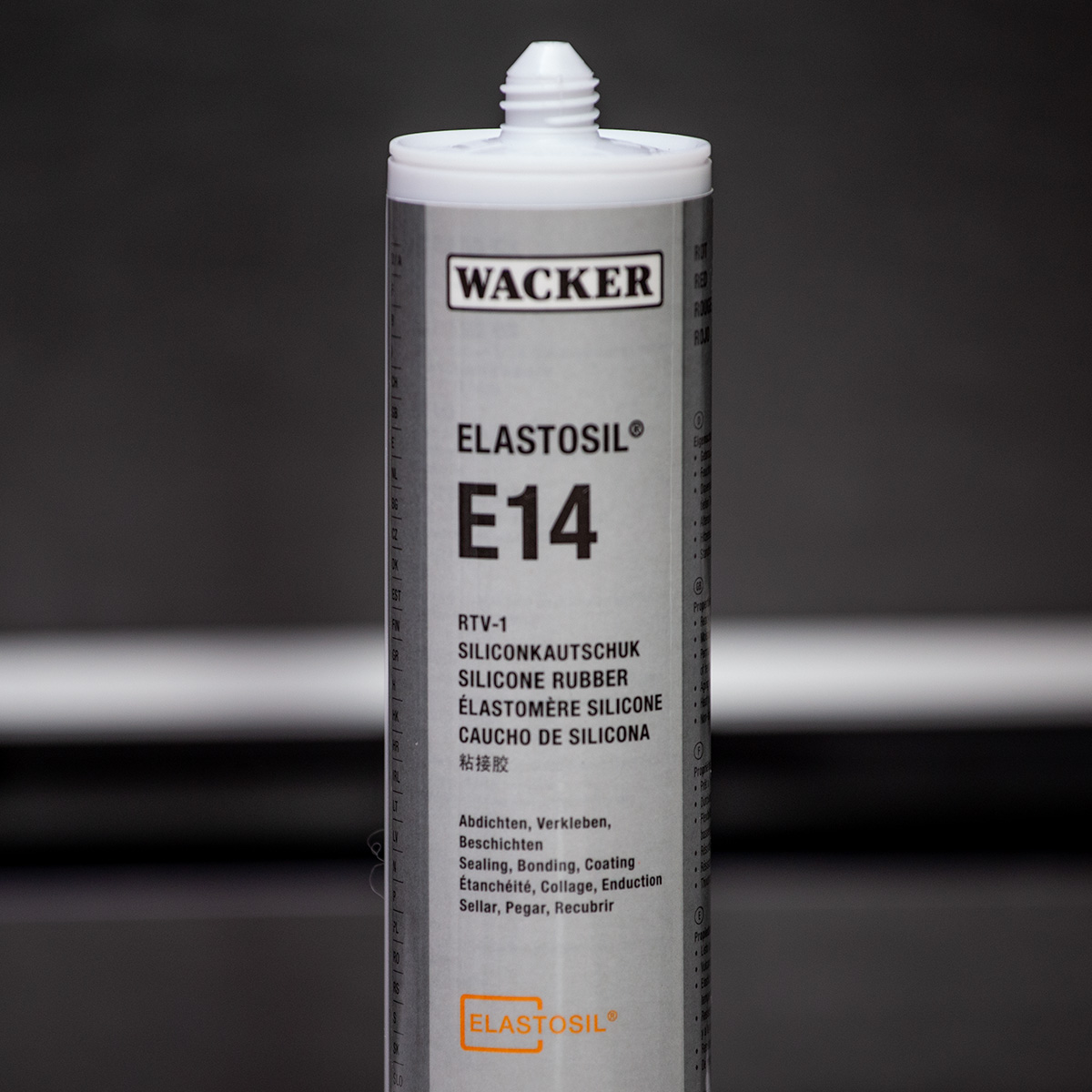
ELASTOSIL® E14 RED – the silicone that isn't afraid of heat
E14 is an RTV-1 (one-component) silicone designed for applications where other materials fail. It withstands continuous thermal load up to approx. +200°C while retaining its elasticity, adhesion and resistance to ageing. Its thixotropic consistency prevents sagging, making it ideal for precise sealing of ovens, heating appliances, electrical modules and components exposed to vibration.
Compliant with MIL-A-46106, it delivers durability and safety in demanding industrial applications.
If you need a reliable sealant for high-temperature service, E14 RED is one of the safest choices.
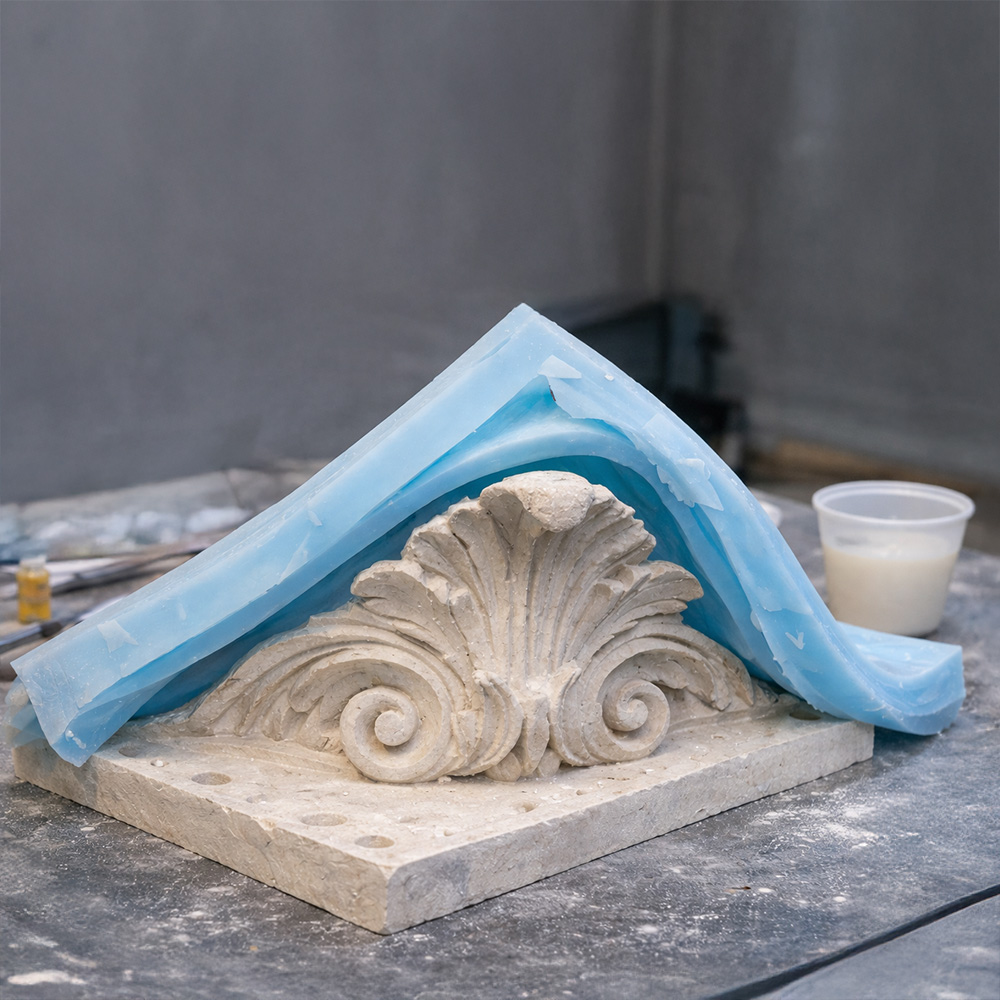
Silicones for Mould Making — How They Transformed Prototyping, Crafts, and Small-Batch Production
Silicones for mould making have revolutionised the world of prototyping, design, and small-batch production. They allow even the finest details to be reproduced with high fidelity, while remaining flexible, durable, and dimensionally stable. At the same time, they perform exceptionally well when working with resins, plaster, wax, or artistic concrete. In this article, we explain why systems such as ELASTOSIL M and RTV-2 have become the standard in design studios, the creative industries, and technical applications — and how silicone has transformed the way we think about moulding and creating replicas.