

An RTV-1 silicone cures with moisture from the air – and releases something as it does: acetic acid, an amine or an alcohol. On sheet metal or glass that hardly matters, but on a PCB, contacts and sensitive electronics this by-product decides whether a seal lasts for years or causes damage. In this guide we explain in plain terms how acetoxy systems (ELASTOSIL E10, E41, E47), amine systems (A07, A33, A234) and neutral alkoxy systems (N 2189, N 2199, N9111) differ. We compare cure speed, temperature range and UL 94 ratings, point out common mistakes and give you a short selection checklist – with practical tips.
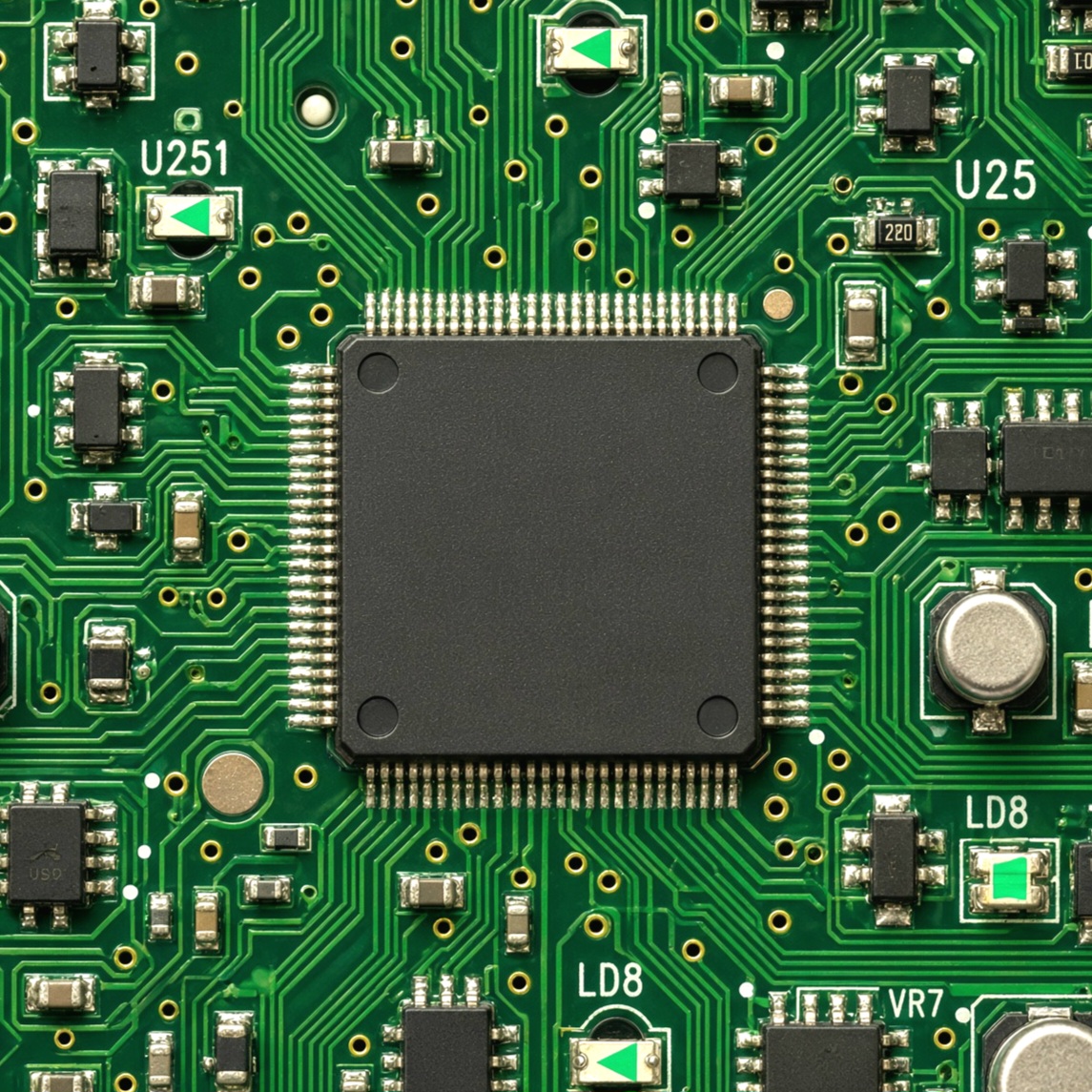
Acetoxy, Amine or Neutral Silicone for Electronics?
Read more

ELASTOSIL RT 628 in electrical engineering – component protection, insulation and mechanical resistance
ELASTOSIL RT 628 is a silicone that in electrical engineering combines effective electrical insulation with truly solid mechanical protection. High tear strength (12.5 N/mm) and elasticity of 220% ensure that potted components are well protected against vibrations, stresses and temperature changes, while the material does not crack or detach from the substrate. It works equally well for encapsulating delicate electronic circuits and for the elastic fixation of windings in generators.
Want to learn the exact properties, temperature range and practical application tips for this material?
Read the full article or contact us at: info@silray.pl
Silicone gels – the invisible protective shield of modern electronics
Silicone gels are among the most underestimated yet crucial protective materials used in electronics, power engineering, and automation. Although soft and highly flexible, they provide a level of protection that often determines the reliability of an entire device. In our latest article, we explain why engineers around the world are increasingly turning to WACKER silicone gels, how they differ from conventional silicones, and in which applications they perform best. It is a fascinating material that can extend the lifespan of electronics by many years—discover how it works and why it is worth using.
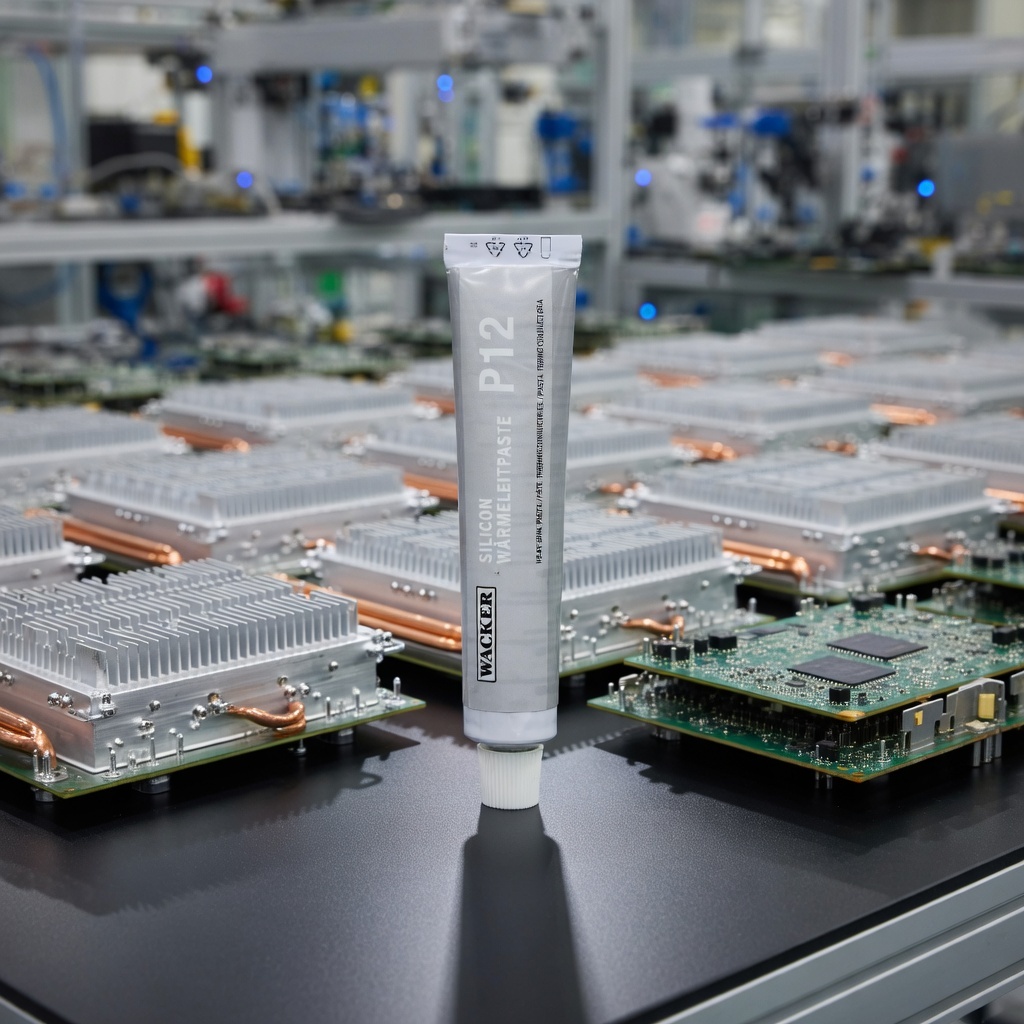
A radiator isn’t everything. Why are engineers switching to WACKER PASTE P12 in droves?
Even the best radiator won’t work without a good thermal paste—but do you really need to overpay for a famous brand? Meet WACKER® PASTE P 12. This reliable silicone paste can replace products like DOWSIL™ 340, Momentive YG6260, or Shin-Etsu G-746 without any modifications to your production process. It guarantees extremely low oil separation (<0.4%), cuts thermal resistance by half, and secures your supply chain.
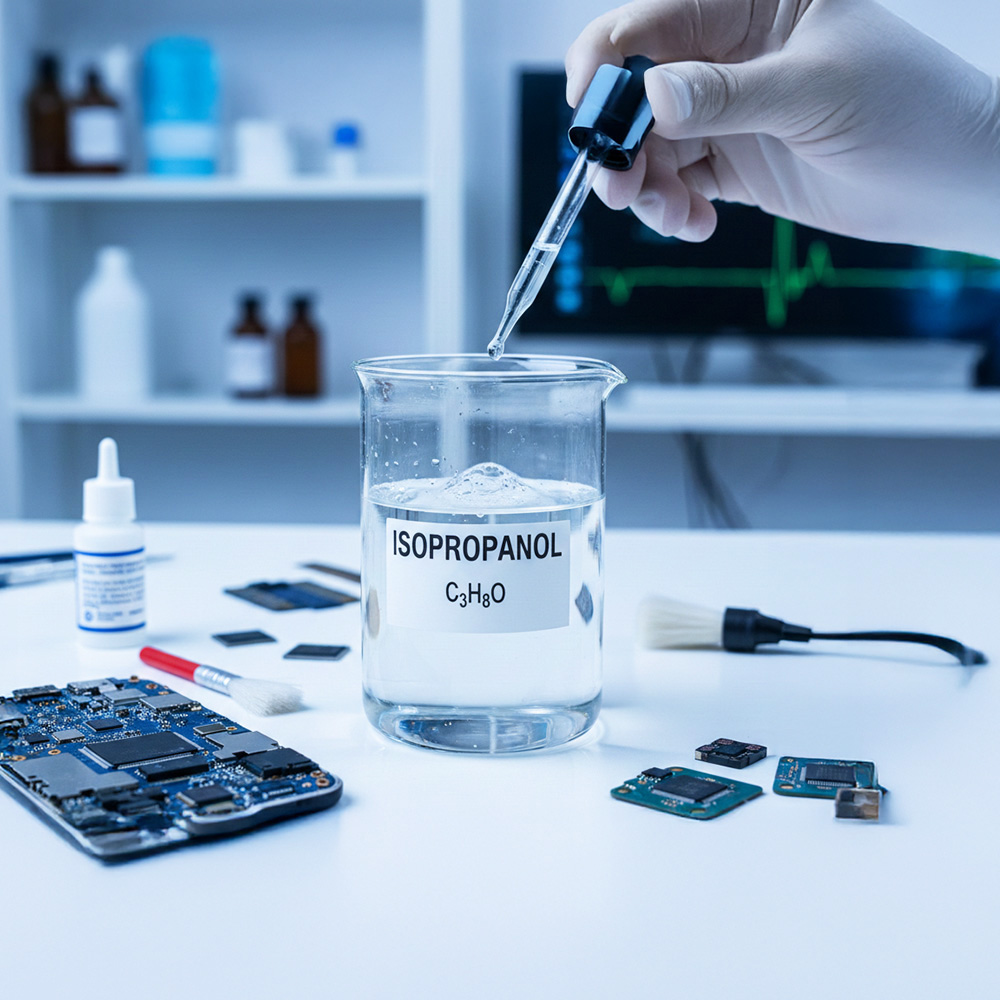
Isopropanol — The Quiet Hero of Everyday Life. From Electronics to the Pandemic: Why IPA Has Become Essential in the Modern World
From electronic servicing and industrial applications to household cleaning and the COVID-19 pandemic — isopropanol has become one of the most versatile chemical agents of our time. Why do technicians, hobbyists, and manufacturers rely on it so widely? And what makes this unassuming alcohol a bridge between the worlds of technology and everyday life?
Discover how IPA has reshaped our approach to cleaning, hygiene, and precision work…
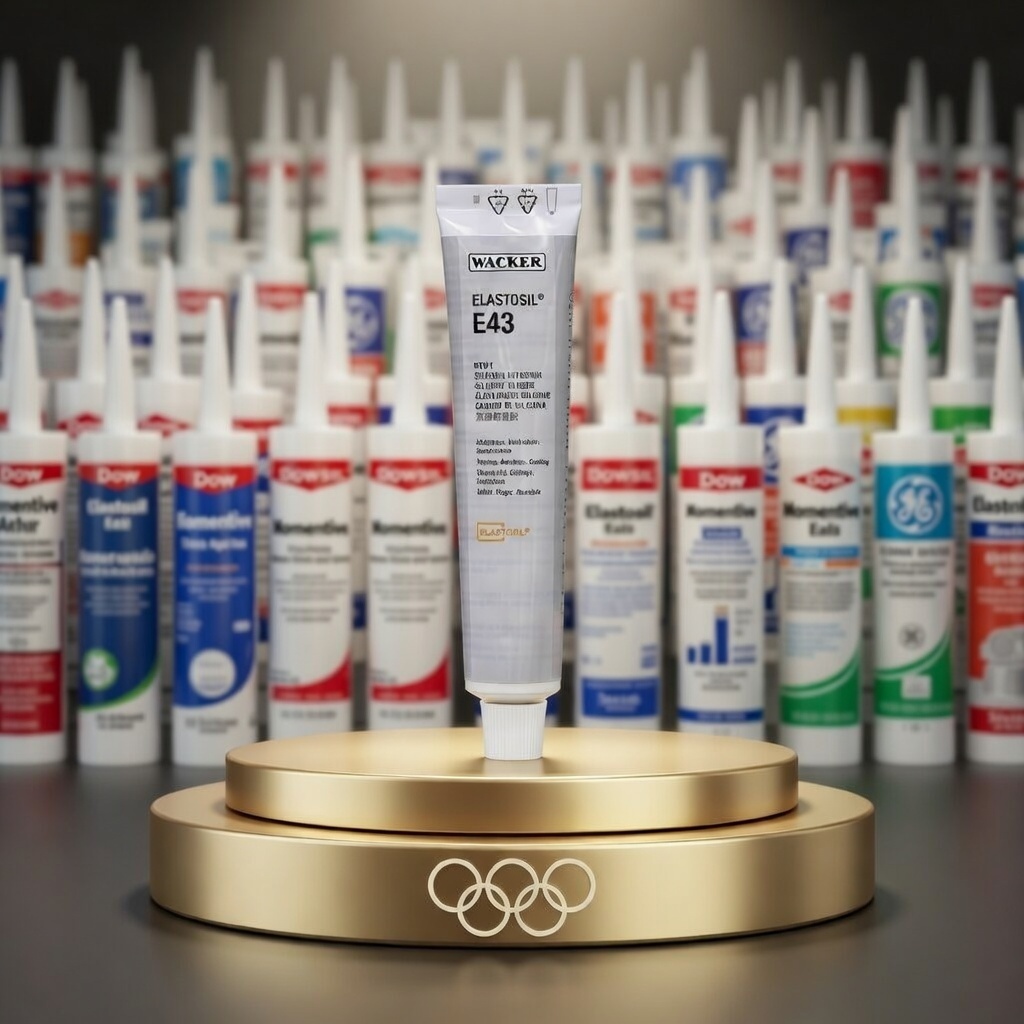
ELASTOSIL E43 – when standard solutions stop working
Not every silicone is the same. In demanding industrial and electronic applications, the differences between materials become apparent very quickly — especially where durability, adhesion, and resistance to operating conditions matter most.
In this article, we take a closer look at ELASTOSIL E43 — a specialized RTV-1 silicone adhesive that, thanks to its fluid consistency and exceptional adhesive properties, is often chosen where other solutions fall short. In practice, it is a material capable of taking on the role of several different products, simplifying processes and increasing the reliability of bonded joints.
If you want to learn why E43 is regarded as one of the strongest solutions in its class, where it performs best, and what sets it apart from standard silicones — we invite you to read the full article.
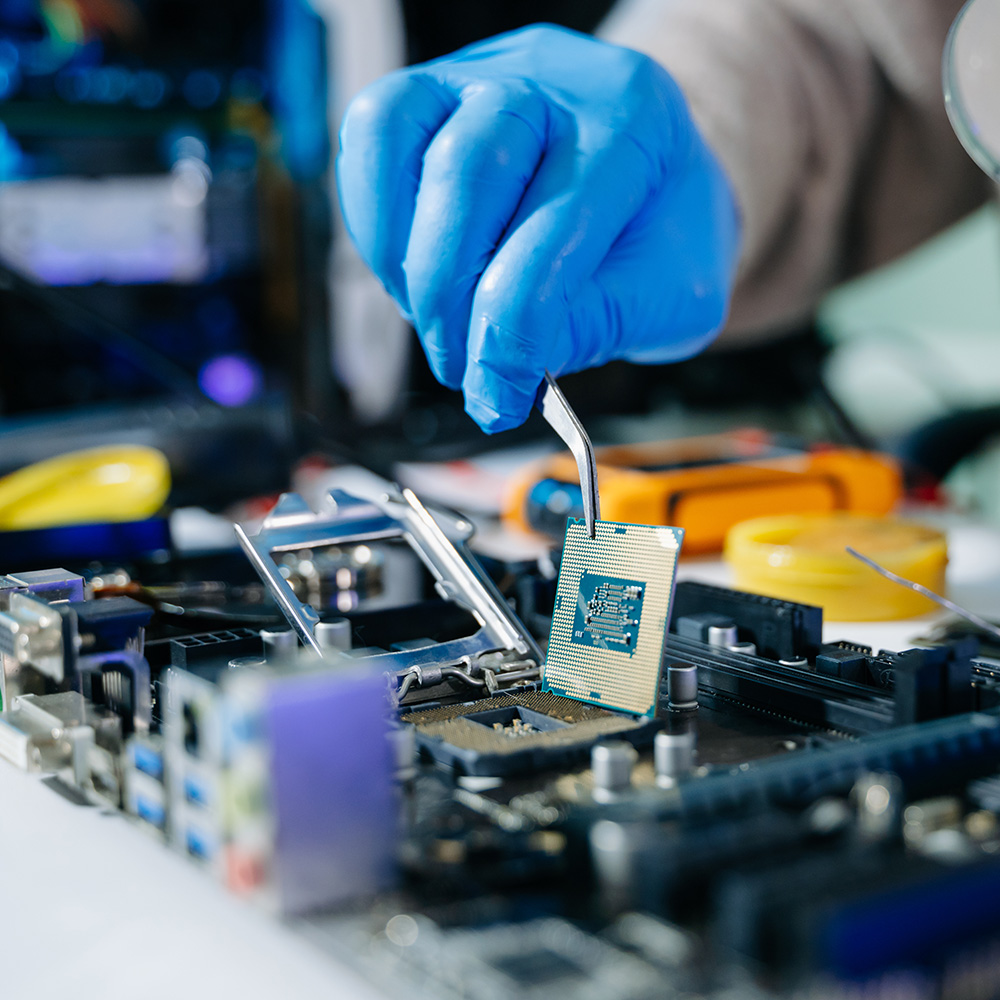
Clean electronics are reliable electronics – why choosing the right post-soldering cleaner matters
Did you know that what you use to clean a board after soldering can determine the reliability of the entire device? Rosin and flux residues can cause micro-shorts, corrosion and hard-to-detect faults – which is why the right cleaner is crucial. In this article we explain why ordinary cleaning agents are not always up to the job and why Kontakt PCB PLUS gives you an edge in servicing and precision electronics. If you work with PCBs, this article could save your projects from premature failure.
WACKER ELASTOSIL® – a benchmark of quality in electronics and industry
ELASTOSIL silicones are materials that set the standard for electronics protection, sealing of technical equipment, and industrial manufacturing. They combine durability, resistance to extreme conditions, and exceptional stability, making them suitable for the most demanding industries — from lighting and automation to power electronics, rail, and advanced assembly systems. In this article, we show how they form a cohesive family of solutions that genuinely enhance device reliability.