English
Open search engine
Search
Close search engine Clear Search
Products in the cart: 0. See details
Your cart is empty

Blog

Post categories

Post categories

Tags

Tags

Post categories

Post categories

Tags

Tags

WACKER ELASTOSIL N 2189 vs N 2034 – Which RTV-1 Silicone Should You Choose for Applications Requiring UL 94 V-0?

ELASTOSIL® N 2189 or N 2034? Both products offer excellent flame-retardant properties, but they differ in their characteristics and application behavior. N 2189 is a stable, non-sag silicone designed for demanding sealing applications, while N 2034 stands out for its low viscosity and self-leveling properties. Find out exactly how these two materials differ and which one is better suited to the requirements of your specific application.

Read more

Industrial Silicone Oil AK 350 vs SILFAR / BELSIL

AK 350, SILFAR 350 and BELSIL DM 350 have almost the same viscosity and the same chemistry: they are linear PDMS silicone oils. That is why many buyers treat them as interchangeable. That is a mistake that costs either money or formulation compliance.

Wacker separates these lines on purpose. One product is for molds, hydraulics and process antifoam. The second is for pharmaceuticals and food. The third is for creams and hair. Below, in a few minutes, you will see which oil you should actually choose.

Read more

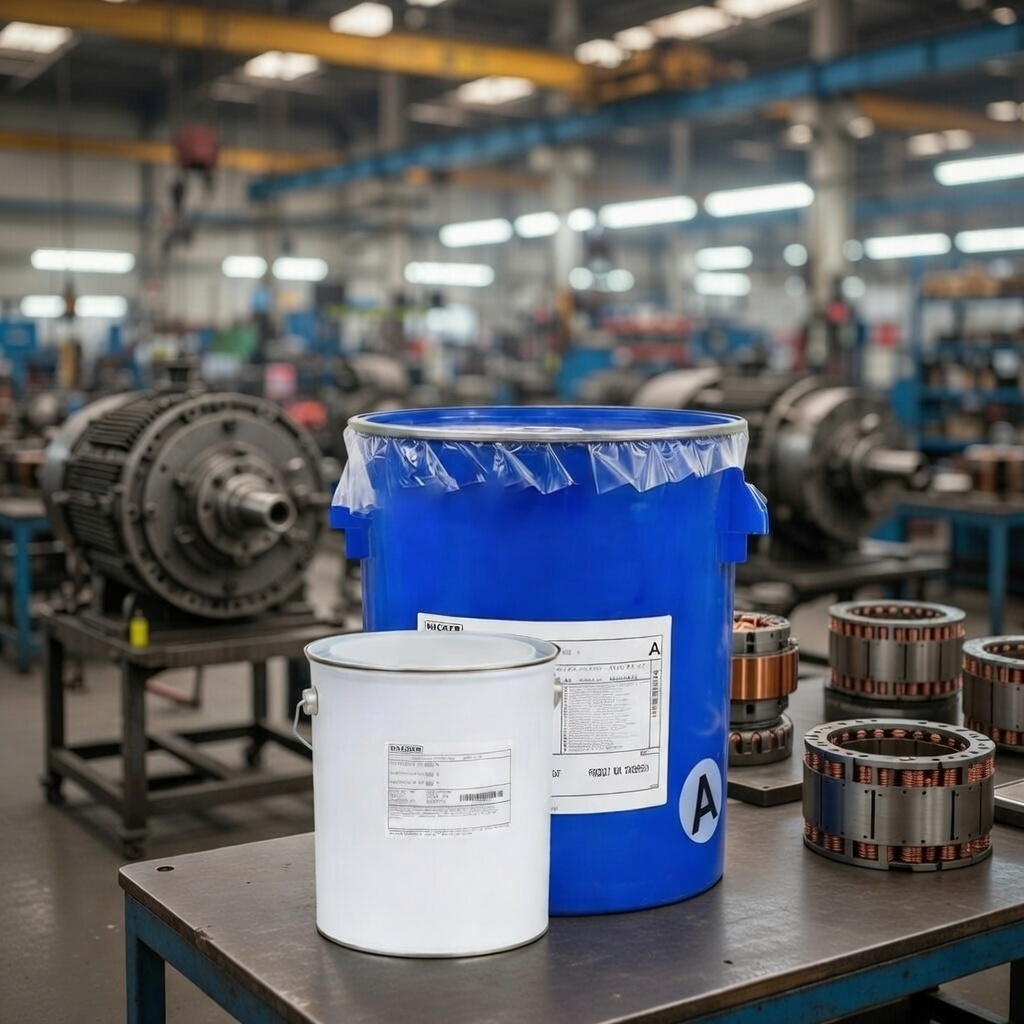
SILRES H62C: Solvent-Free Silicone Resin for High-Performance VPI Impregnation of EV Motors and Traction Generators

Modern electric motors used in vehicles and traction drives are operating increasingly close to the limits of their thermal capabilities. Conventional impregnating resins are more and more often unable to keep up with the demands for temperature resistance, moisture resistance and long service life. This is why interest in SILRES® H62 C – a one-component, completely solvent-free silicone resin from WACKER – continues to grow.

With an RTI of 239 °C, the resin meets the requirements of insulation classes N and R while maintaining excellent dielectric properties and resistance to weathering. Its low viscosity at elevated temperatures enables effective VPI impregnation even of densely wound coils, while the absence of by-products and minimal shrinkage significantly reduce the risk of voids and microcracks.

If you design or manufacture EV motors, traction drives or generators and are looking for a solution that genuinely improves insulation reliability, it is worth taking a closer look at SILRES® H62 C.

Read the full article or contact us to learn more about the technical details, the VPI process and the practical benefits of using this resin.

Read more

One product to replace many others. See how to optimize production with ELASTOSIL N2199

Our latest article explores the properties of the ready-to-use, one-part ELASTOSIL® N 2199 silicone. Read the full text to find out:

  • Why meeting the stringent MIL-A-46146 standard is a guarantee of reliability in all conditions.

  • How the acid-free, completely neutral (non-corrosive) formula protects delicate electronics from corrosion.

  • How much time and operational costs you will save thanks to excellent primerless adhesion, which requires no prior surface priming.

  • Why full stability in extreme temperatures (from -45°C up to +180°C) is the key to reducing service costs.

Replace dozens of specialized products with one proven solution.

Read more

ELASTOSIL® AUX G 3242 vs G 3243 – Which Primer for HCR Silicone Rubber Should You Choose? Comparison of Solids Content, Viscosity and Application Practice

With the two primers from the ELASTOSIL® AUX series – G 3242 and G 3243 – excellent adhesion of HCR silicones to metal, ceramics or glass can be achieved, yet they differ enough that the choice of one over the other can determine the quality of the bond and the convenience of application. One has only 7 % solids content and a viscosity like water, the other as much as 23 % and is noticeably thicker. This is not a technical detail – it is a concrete decision about layer thickness, application method and the final strength of the joint.

In the full comparison you will find practical guidance on when to choose the low-viscosity version and when the concentrated one, how to properly prepare the substrate, how much time to allow for solvent evaporation, and why it is sometimes worth heating the primed part. If you work with peroxide-cured silicone elastomers, this text will enable you to select the primer consciously instead of relying on chance.

Read more

ELASTOSIL RT 628 in electrical engineering – component protection, insulation and mechanical resistance

ELASTOSIL RT 628 is a silicone that in electrical engineering combines effective electrical insulation with truly solid mechanical protection. High tear strength (12.5 N/mm) and elasticity of 220% ensure that potted components are well protected against vibrations, stresses and temperature changes, while the material does not crack or detach from the substrate. It works equally well for encapsulating delicate electronic circuits and for the elastic fixation of windings in generators.

Want to learn the exact properties, temperature range and practical application tips for this material?

Read the full article or contact us at: info@silray.pl

Read more

Processing Silicone Elastomers in Industry: A Guide and Common Mistakes

Modern industry requires materials that can withstand the most demanding conditions – from high temperatures and strong vibrations to aggressive chemical environments. Silicone elastomers are a cornerstone in manufacturing, electronics, and the automotive industry. They ensure reliability, provided that their processing is carried out flawlessly.

In the following article, we discuss the key aspects of processing RTV (Room Temperature Vulcanizing) silicones and point out how to avoid typical production problems. All specialized industrial chemical products necessary to implement these processes can be found in the professional product range at silray.pl.

Read more

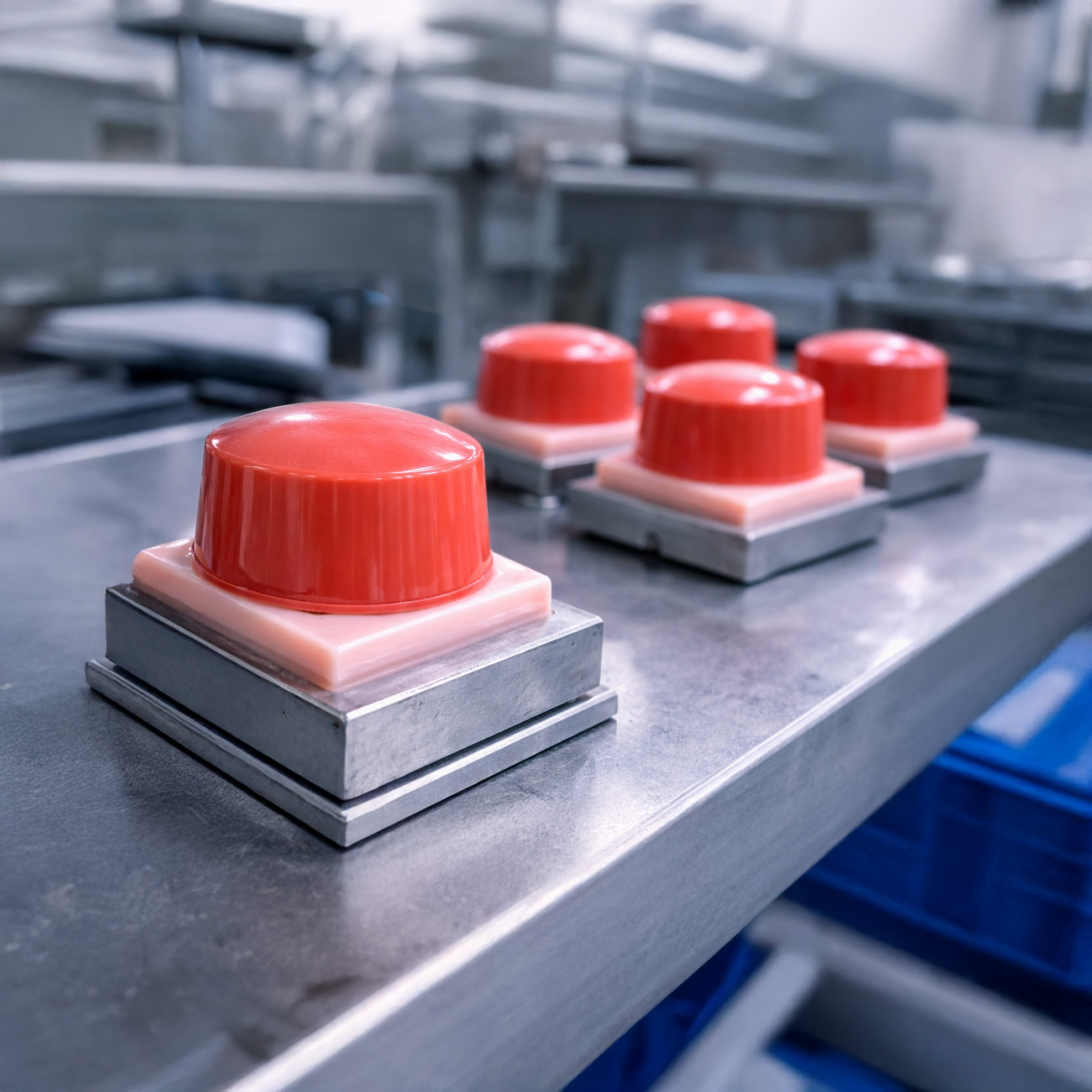
ELASTOSIL® FX: Hyper-Realistic Silicone Skin for Prosthetics & Soft Robotics

ELASTOSIL® FX by Wacker Chemie – hyper-realistic skin that brings prosthetics and robots to life

Looking for a material that feels, looks, and behaves almost exactly like real human skin?

ELASTOSIL® FX is a premium line of platinum-cure RTV-2 silicones designed for the highest demands in medicine and robotics. From the ultra-soft FX 30 Gel (Shore 00/30) through FX 10 and FX 20 to the durable FX 28 (Shore A 28) – each base offers different hardness, while FX Softener lets you go even softer with full control over surface tack (without any oiliness!).

With Stabilizer 43 you adjust flow, and Catalyst EP or Inhibitor PT 88 control curing time. Realistic prosthetic skin, second skin for robots, medical training phantoms, orthotics and insoles – everything becomes possible with unmatched precision and realism.

Skin-safe, self-degassing, zero shrinkage, and exceptional elasticity and strength.

Want to know which variant is best for your project and how to customize it perfectly?

Read the full article – you’ll find a detailed product comparison, hardness charts, practical tips, and inspiring applications that will help you create something extraordinary.

See you on silray.pl – time to take realism to the next level!
Read more

Versatility in the Industry: Where Does ELASTOSIL A07 Excel?

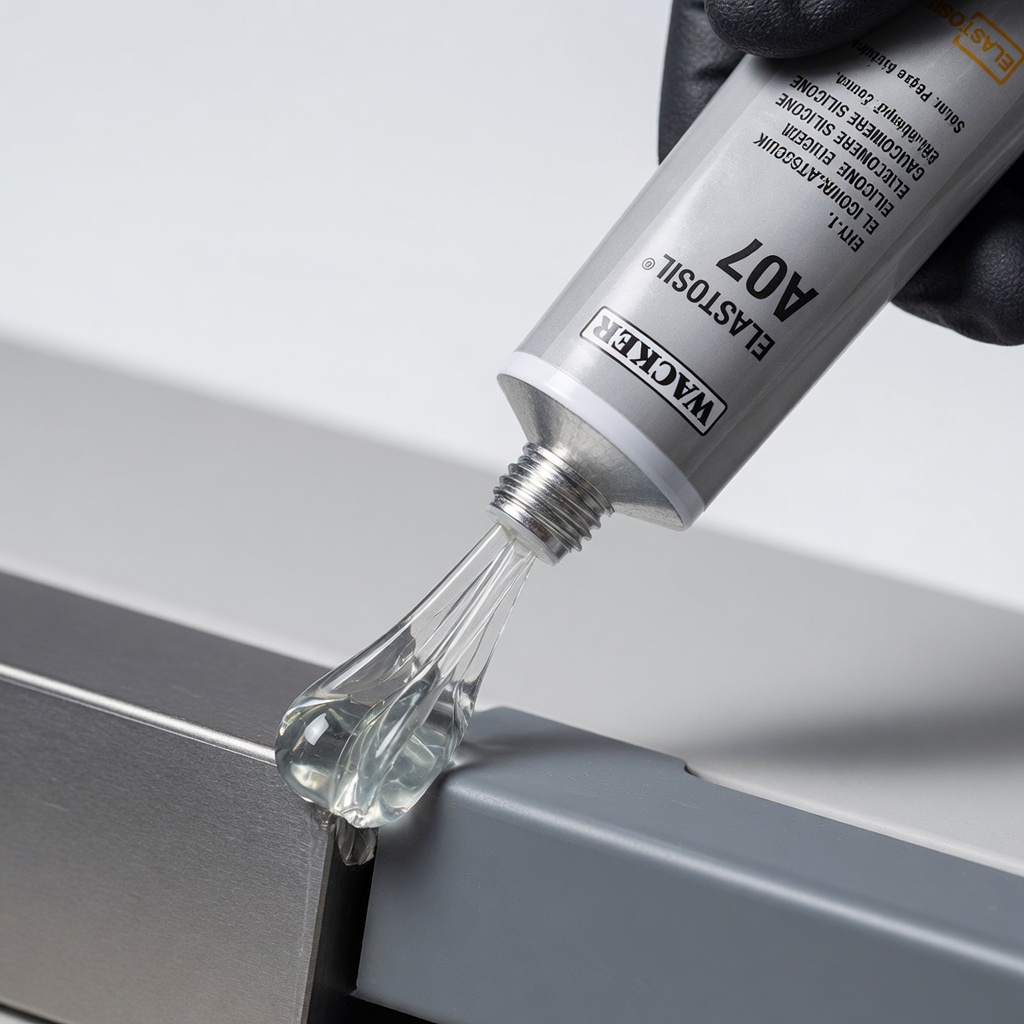
Are you looking for a reliable sealing and coating material for demanding conditions? Discover ELASTOSIL® A07 TRANSLUCENT – a versatile silicone dispersion that remains flexible in extreme temperatures ranging from -40°C to +180°C. Thanks to its excellent primerless adhesion and flowable consistency that makes application easy, this product is perfectly suited for the HVAC industry, among others. Learn how to achieve the perfect silicone coating step by step and fully unlock the potential of this solution in your project.

Read the full article to learn more. If you are interested in purchasing, please feel free to contact us!

Read more

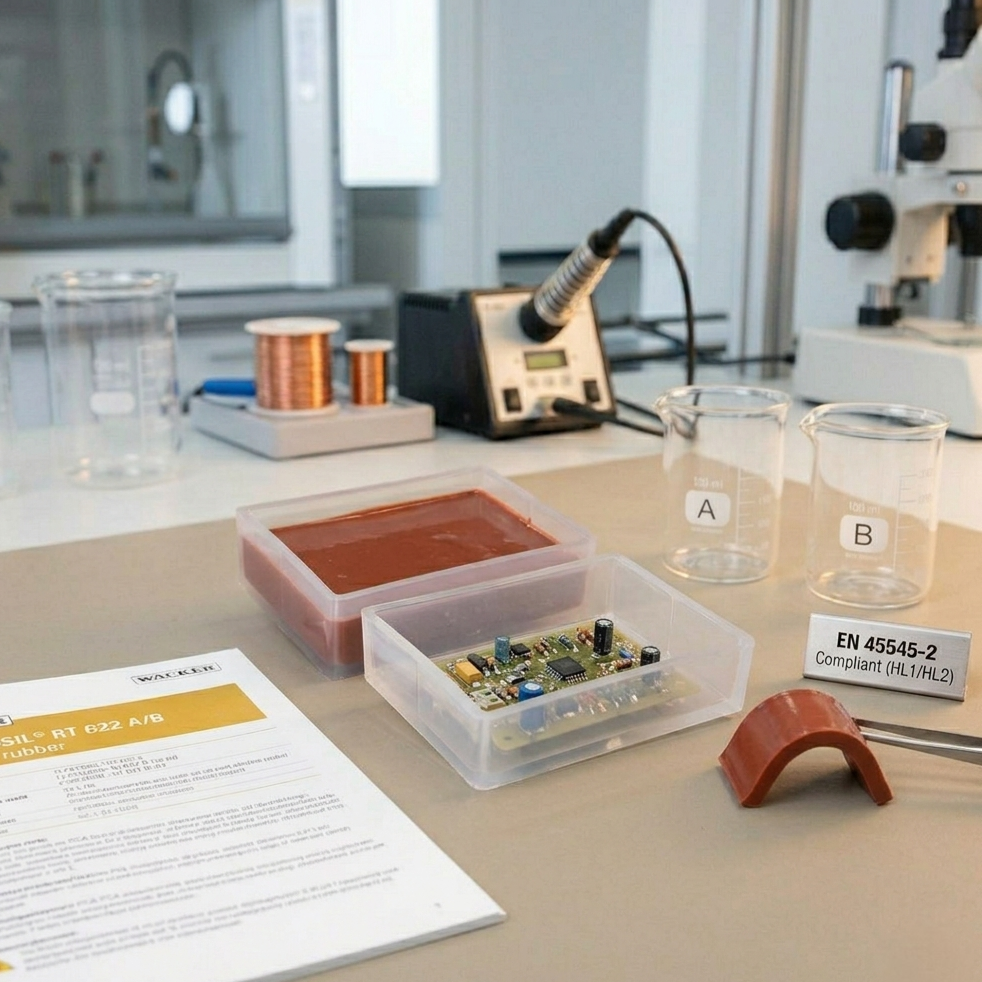
ELASTOSIL RT622 Without Compromise. Why This Silicone Is So Hard to Replace – and What the Competition Really Offers

There is no shortage of RTV-2 silicones on the market positioned as alternatives to ELASTOSIL RT 622. In practice, users most often turn to solutions from manufacturers such as Momentive (e.g. RTV 225, RTV 227), Dow (Sylgard 170, Sylgard 184), Shin-Etsu (KE-1300T, KE-1310ST), Elkem (Silbione RTV 440/450), or ACC Silicones (QSil 216/218). These are good materials – but they are designed with different priorities.

This is where the key difference emerges. RT622 is not just “another potting silicone,” but a material with an exceptionally well-balanced combination of properties: softness, mechanical strength, and long-term stability. In many cases, alternatives turn out to be either too hard, mechanically weaker, or require adjustments to the processing technology. During initial testing, these differences may seem negligible – it is only in real-world operation that the gap becomes apparent.

Read more

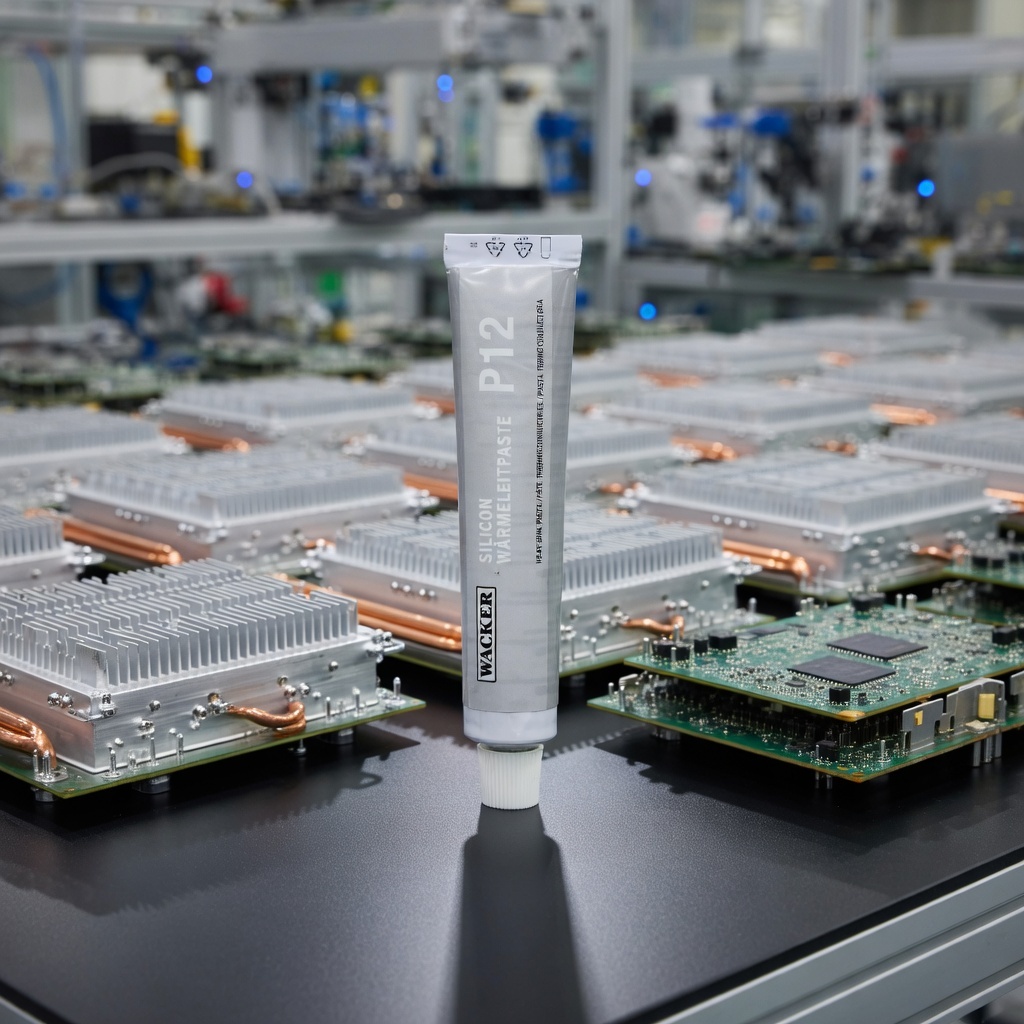
A radiator isn’t everything. Why are engineers switching to WACKER PASTE P12 in droves?

Even the best radiator won’t work without a good thermal paste—but do you really need to overpay for a famous brand? Meet WACKER® PASTE P 12. This reliable silicone paste can replace products like DOWSIL™ 340, Momentive YG6260, or Shin-Etsu G-746 without any modifications to your production process. It guarantees extremely low oil separation (<0.4%), cuts thermal resistance by half, and secures your supply chain.

Read more

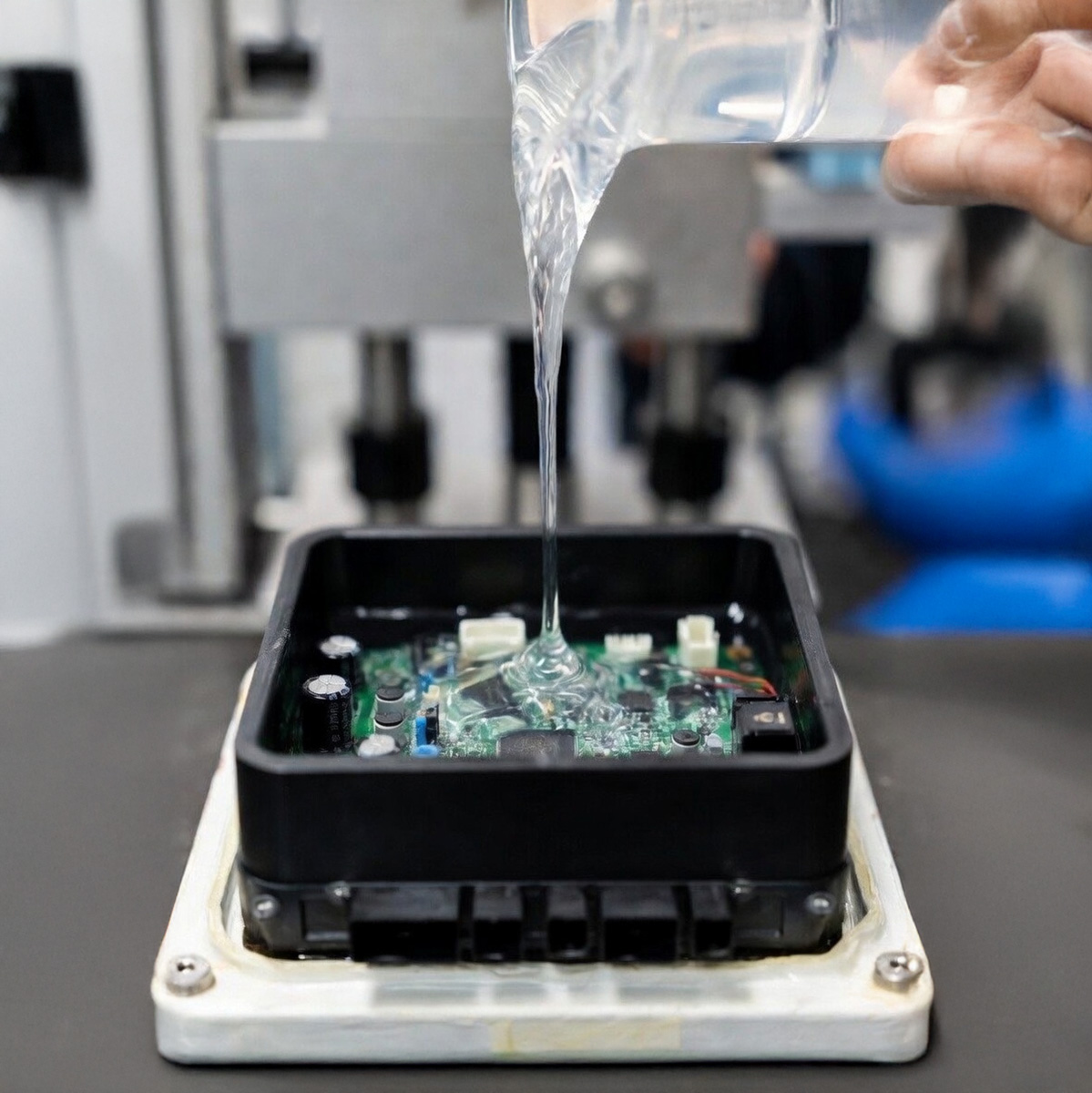
Soft as a gel, tough as armor. Why WACKER SilGel 612 is the best alternative to popular dielectric potting compounds

Soft as a gel, tough as armor. Discover WACKER SilGel® 612. Are your current potting compounds damaging delicate components and breaking solder joints during temperature fluctuations? It’s time for a change. Find out why the ultra-soft WACKER SilGel® 612 is becoming the new standard in the electronics industry, successfully replacing legacy market leaders (including Sylgard 527). Secure your electronic assemblies and your supply chain.

Read more

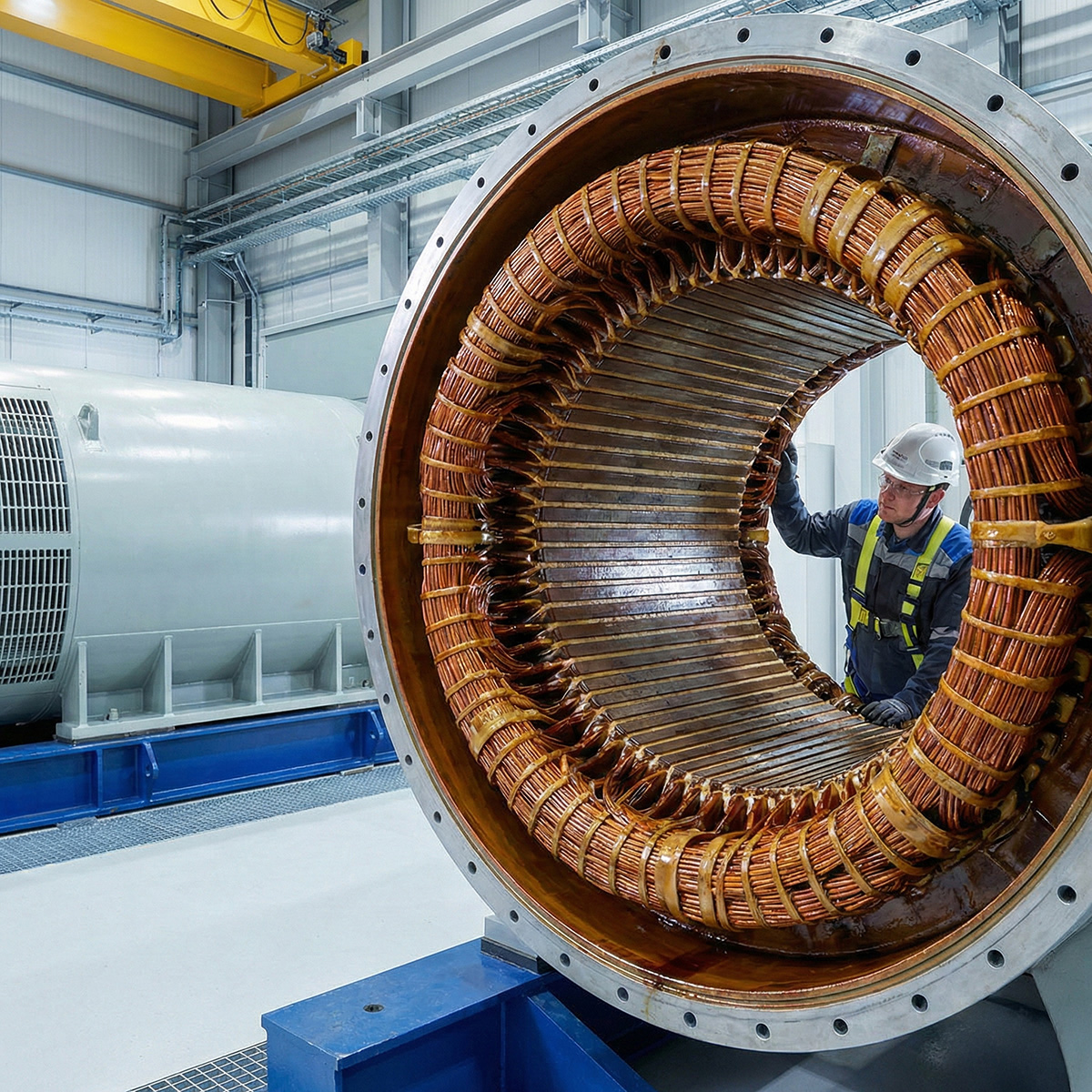
ELASTOSIL RT622 in Traction Motor Repairs – Soft Protection with a Tough Reputation

Traction motors operate in extreme conditions where traditional resins and varnishes often fail prematurely. This is why an increasing number of railway and tram service centers are turning to ELASTOSIL® RT 622 silicone. Thanks to its soft structure, high resistance, and excellent electrical insulation properties, this material can significantly extend the lifespan of refurbished components. To discover why RT 622 has become one of the most effective solutions in traction motor regeneration, read the full article.

Read more

How Does ELASTOSIL® RT 628 Protect Transformer Windings?

Transformer windings operate under extreme conditions—exposed to high temperatures, constant vibrations, and humidity. This is why flexible RTV-2 silicones are increasingly used for their protection. ELASTOSIL® RT 628 A/B provides durable electrical insulation, effectively compensates for mechanical stress, and maintains stability even at temperatures up to +180°C. Discover why this silicone has become a proven solution in modern electrical engineering and the power industry.

Read more

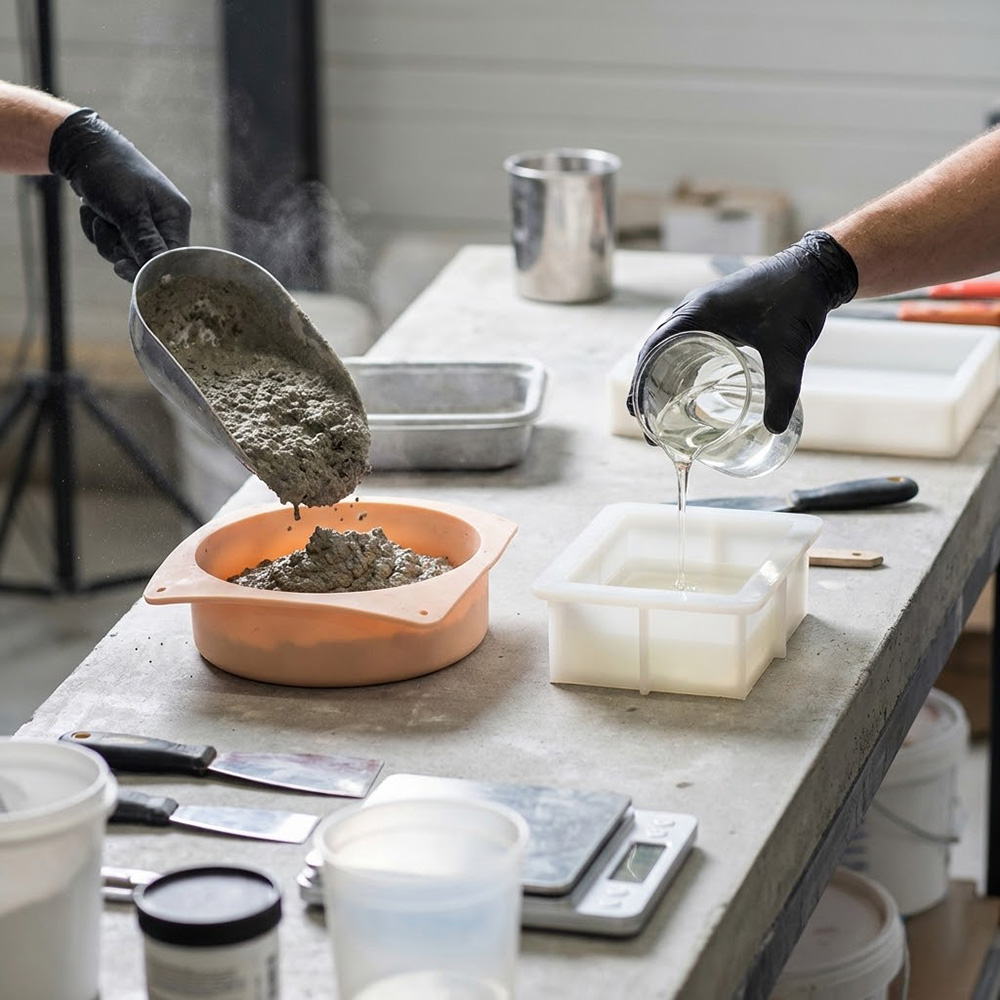
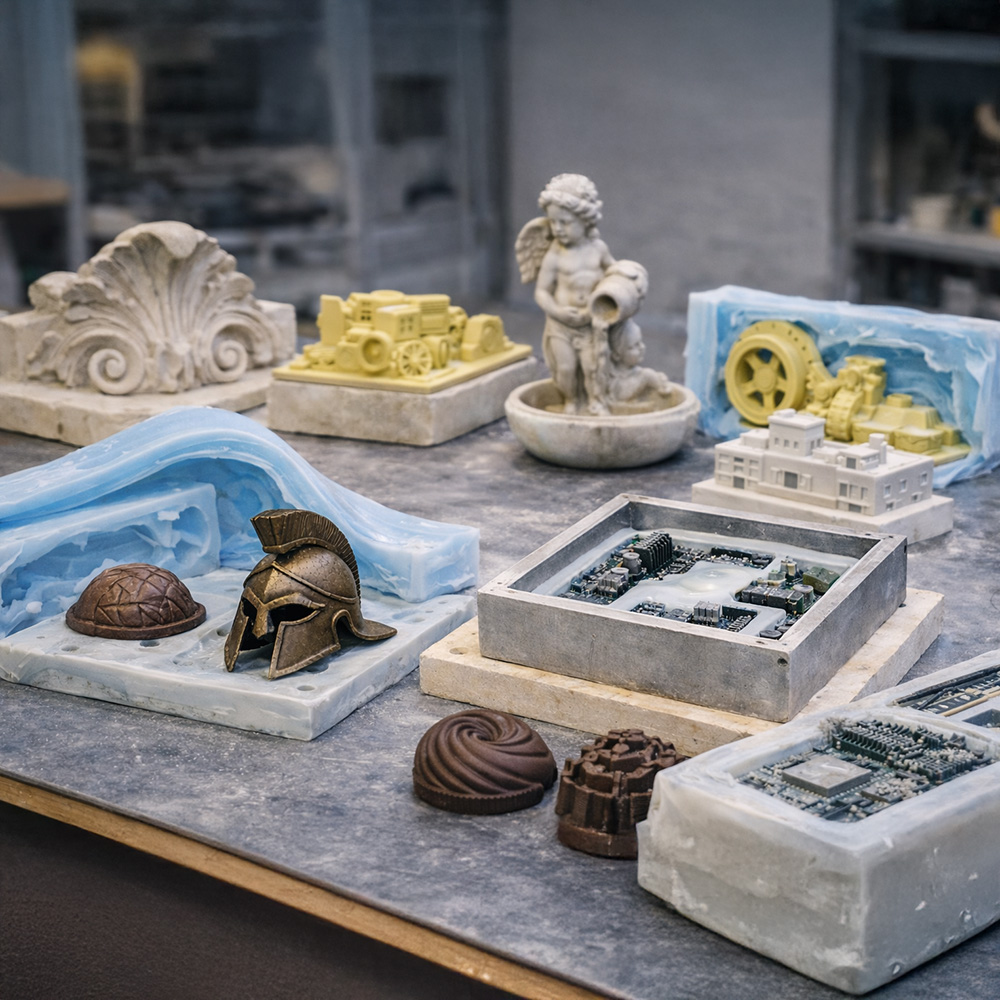
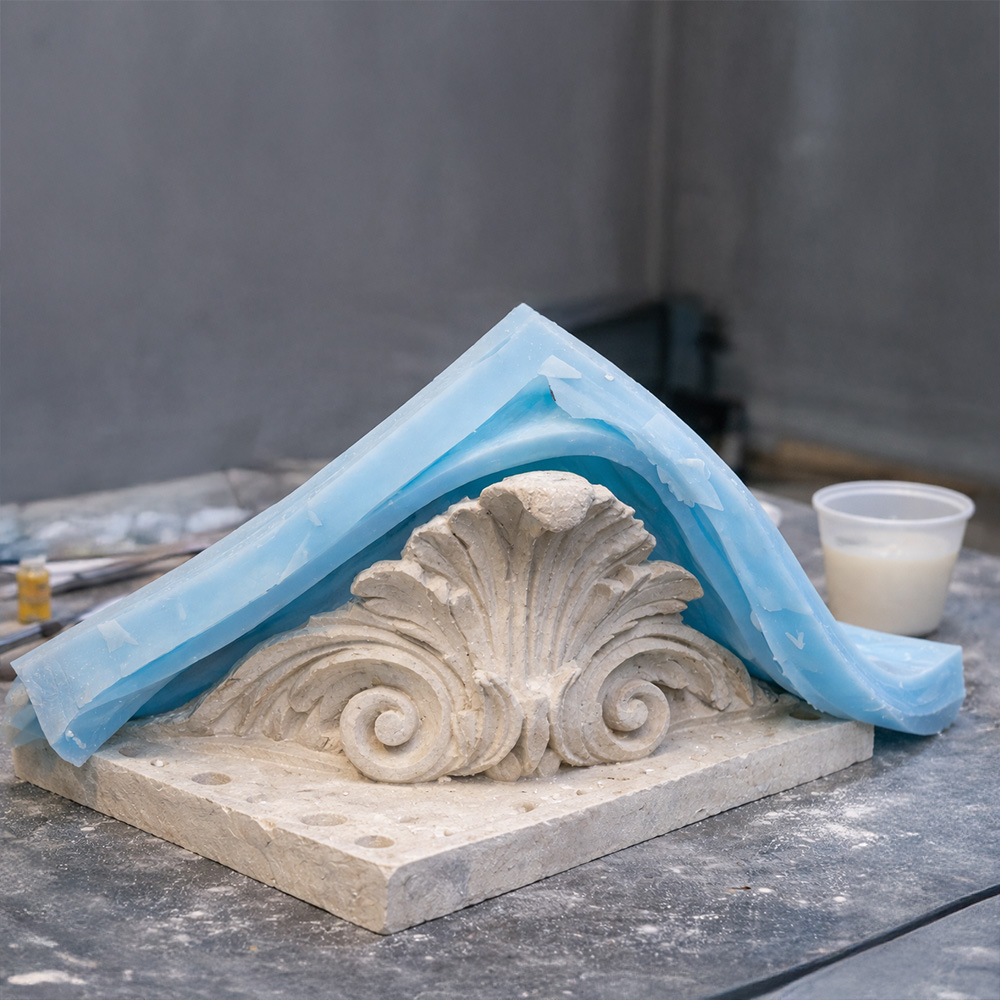
Hard or Flexible? How to Choose the Perfect Mold-Making Silicone?

Architectural concrete, precision resin casts, or perhaps chocolate molds? Every project requires a different rubber specification. Choosing the wrong silicone carries the risk of damaging your model and wasting money.

In our latest guide, we compare three professional Wacker solutions: Cenusil M 830, Elastosil M 4630, and Elastosil M 4670. Find out when to opt for extreme flexibility and when to choose technical rigidity. Stop guessing – make an informed choice.

Read more

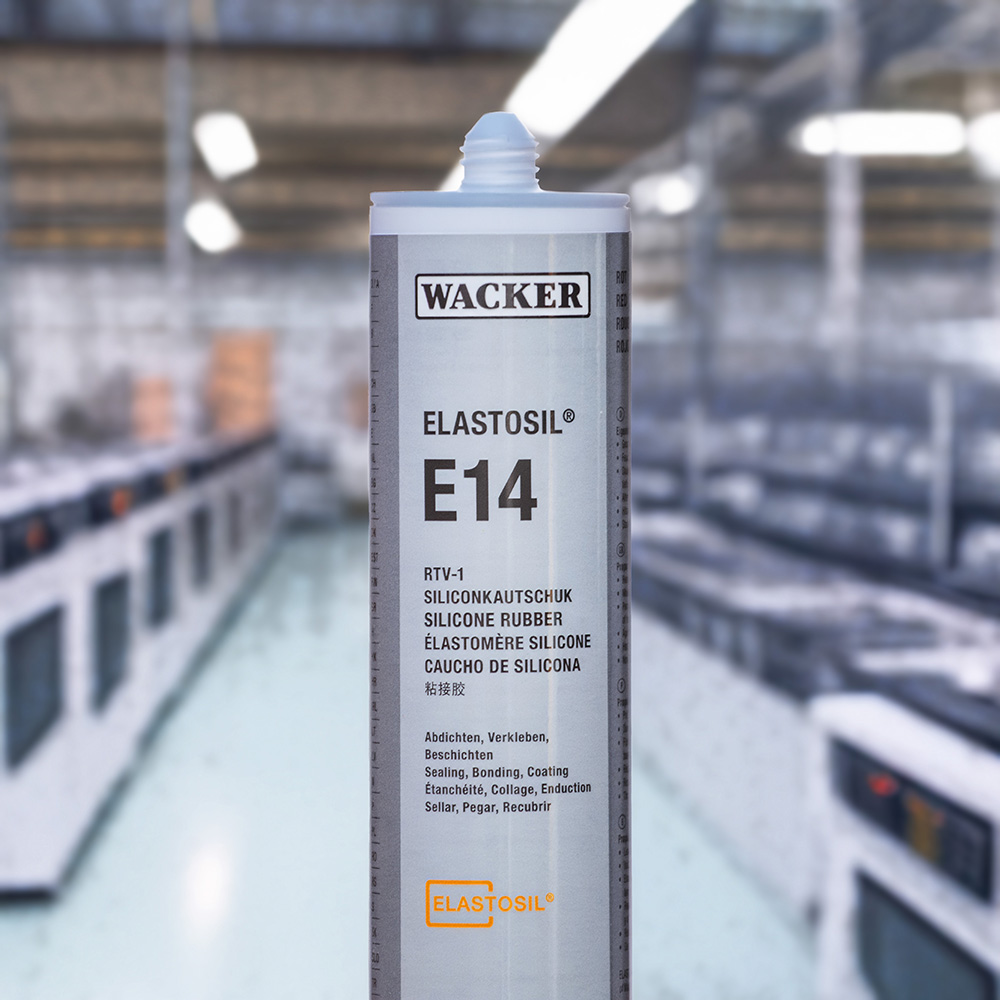
Elastosil E14 – a professional alternative to high-temperature silicone sealants for demanding applications

Elastosil® E14 is a high-temperature RTV-1 silicone adhesive designed for use in demanding industrial environments. With heat resistance up to 250°C, a dense, paste-like consistency, and excellent adhesion to metals and glass, it is commonly used as a replacement for products such as DOWSIL™ 732 (Red), Momentive RTV 106, Loctite® SI 596, as well as standard red high-temperature silicone sealants.

Unlike many commonly used sealants, Elastosil E14 does not slump on vertical surfaces, retains its elasticity after curing, and provides a stable, durable bond even under intensive thermal cycling. It is the solution of choice wherever reliability, consistency, and long-term performance are essential.

Read more

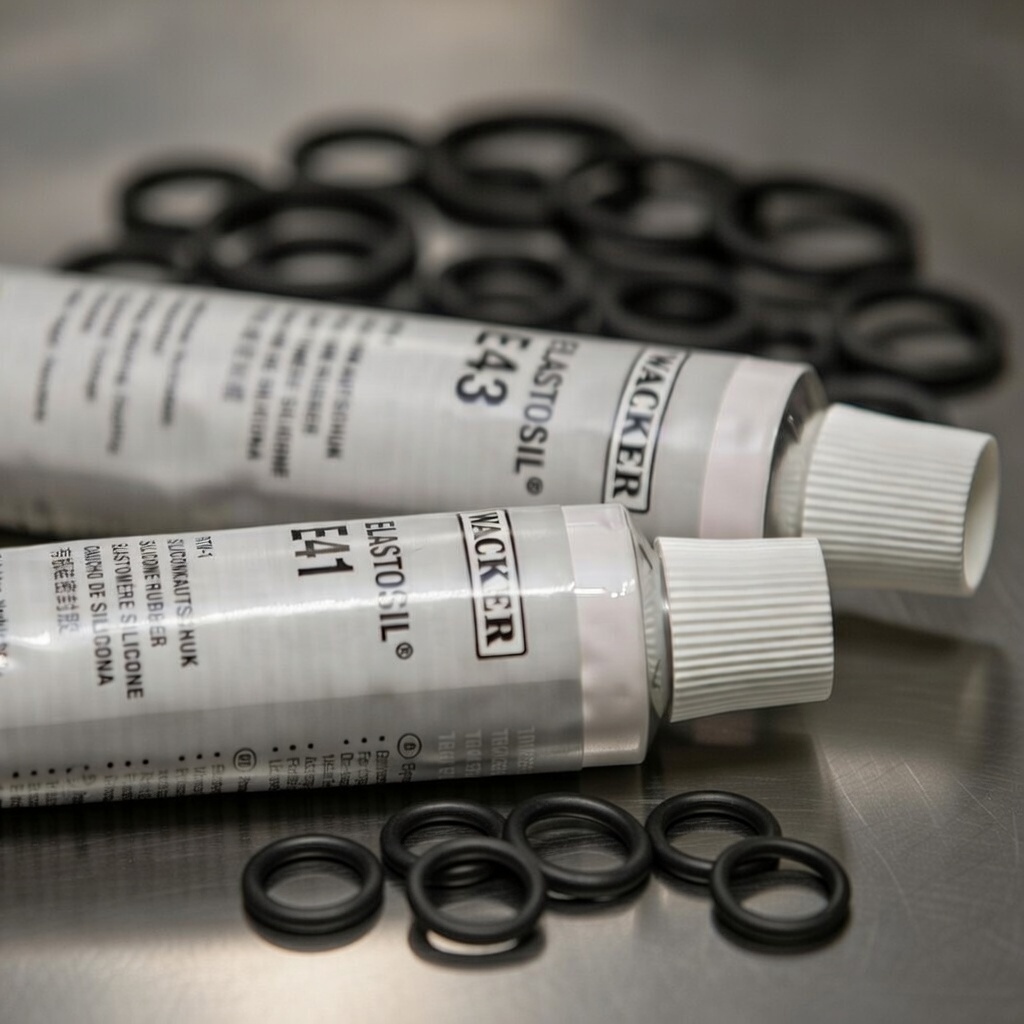
ELASTOSIL E43 – when standard solutions stop working

Not every silicone is the same. In demanding industrial and electronic applications, the differences between materials become apparent very quickly — especially where durability, adhesion, and resistance to operating conditions matter most.

In this article, we take a closer look at ELASTOSIL E43 — a specialized RTV-1 silicone adhesive that, thanks to its fluid consistency and exceptional adhesive properties, is often chosen where other solutions fall short. In practice, it is a material capable of taking on the role of several different products, simplifying processes and increasing the reliability of bonded joints.

If you want to learn why E43 is regarded as one of the strongest solutions in its class, where it performs best, and what sets it apart from standard silicones — we invite you to read the full article.

Read more

Isopropanol — The Quiet Hero of Everyday Life. From Electronics to the Pandemic: Why IPA Has Become Essential in the Modern World

From electronic servicing and industrial applications to household cleaning and the COVID-19 pandemic — isopropanol has become one of the most versatile chemical agents of our time. Why do technicians, hobbyists, and manufacturers rely on it so widely? And what makes this unassuming alcohol a bridge between the worlds of technology and everyday life?

Discover how IPA has reshaped our approach to cleaning, hygiene, and precision work…

Read more