

ELASTOSIL® E41, E43 and E43 N look almost the same: transparent, one-component, cured by atmospheric moisture. In use, however, they behave quite differently. The first flows and self-levels, the second lays down into an even, highly extensible joint, and the third holds its shape on vertical surfaces and can come into contact with food. We show where these differences come from and how to match the silicone to the job, and at the end we bring the key parameters together in a single table.
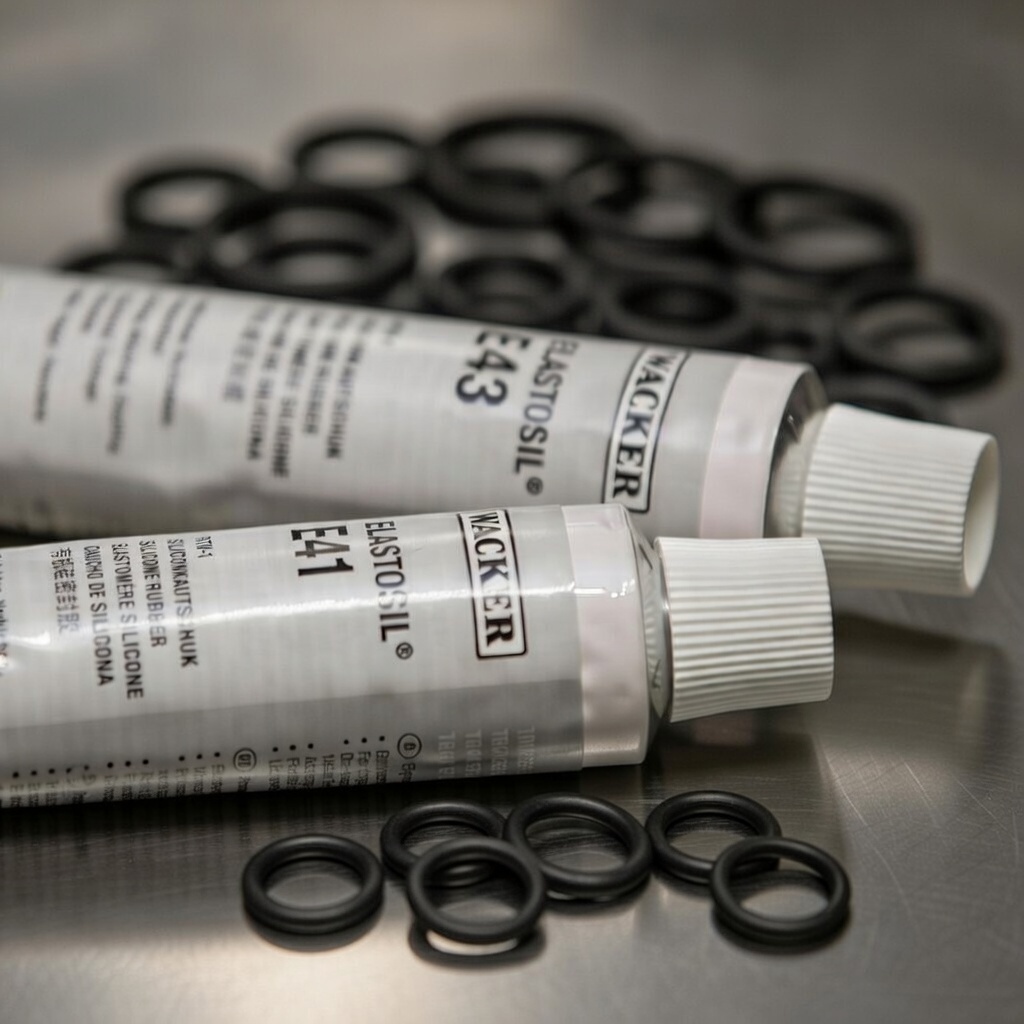
ELASTOSIL® E41, E43 or E43 N? Seemingly similar – completely different in practice. Which should you choose?
Read more
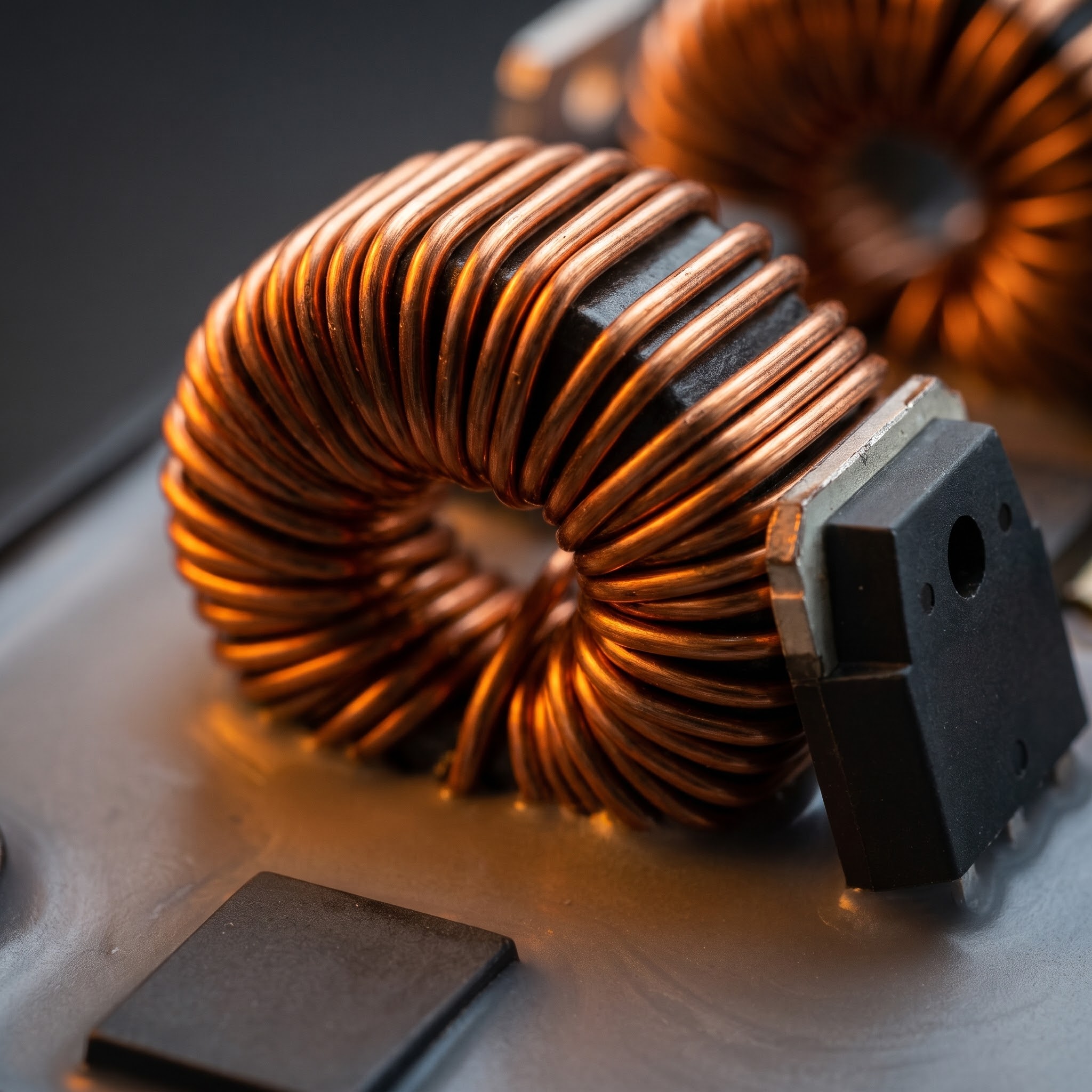
Thermal Management in Power Electronics: When is standard ELASTOSIL RT 628 enough, and when do you need to use RT 675?
Overheating electronics? See how to avoid the "thermos effect."
The miniaturization of power systems and the development of EV technology mean that merely providing physical protection for circuits is no longer enough today. You also need smart thermal management.
Did you know that a standard silicone potting compound can act like a thermos and cause your project to overheat? In our new article, we compare two powerful, yet completely different WACKER industrial silicones:
ELASTOSIL RT 628: A reliable shield. For when you need armor-like mechanical protection and a material that will simply survive at 180°C.
ELASTOSIL RT 675: An active heatsink. For when electronics generate massive amounts of heat that must be instantly dissipated to the outside (Thermal Management).
Find out when a hard protective shield is enough, and when you need to use a thermally conductive silicone to protect your system from failure.

WACKER ELASTOSIL N 2189 vs N 2034 – Which RTV-1 Silicone Should You Choose for Applications Requiring UL 94 V-0?
ELASTOSIL® N 2189 or N 2034? Both products offer excellent flame-retardant properties, but they differ in their characteristics and application behavior. N 2189 is a stable, non-sag silicone designed for demanding sealing applications, while N 2034 stands out for its low viscosity and self-leveling properties. Find out exactly how these two materials differ and which one is better suited to the requirements of your specific application.

ELASTOSIL® AUX G 3242 vs G 3243 – Which Primer for HCR Silicone Rubber Should You Choose? Comparison of Solids Content, Viscosity and Application Practice
With the two primers from the ELASTOSIL® AUX series – G 3242 and G 3243 – excellent adhesion of HCR silicones to metal, ceramics or glass can be achieved, yet they differ enough that the choice of one over the other can determine the quality of the bond and the convenience of application. One has only 7 % solids content and a viscosity like water, the other as much as 23 % and is noticeably thicker. This is not a technical detail – it is a concrete decision about layer thickness, application method and the final strength of the joint.
In the full comparison you will find practical guidance on when to choose the low-viscosity version and when the concentrated one, how to properly prepare the substrate, how much time to allow for solvent evaporation, and why it is sometimes worth heating the primed part. If you work with peroxide-cured silicone elastomers, this text will enable you to select the primer consciously instead of relying on chance.
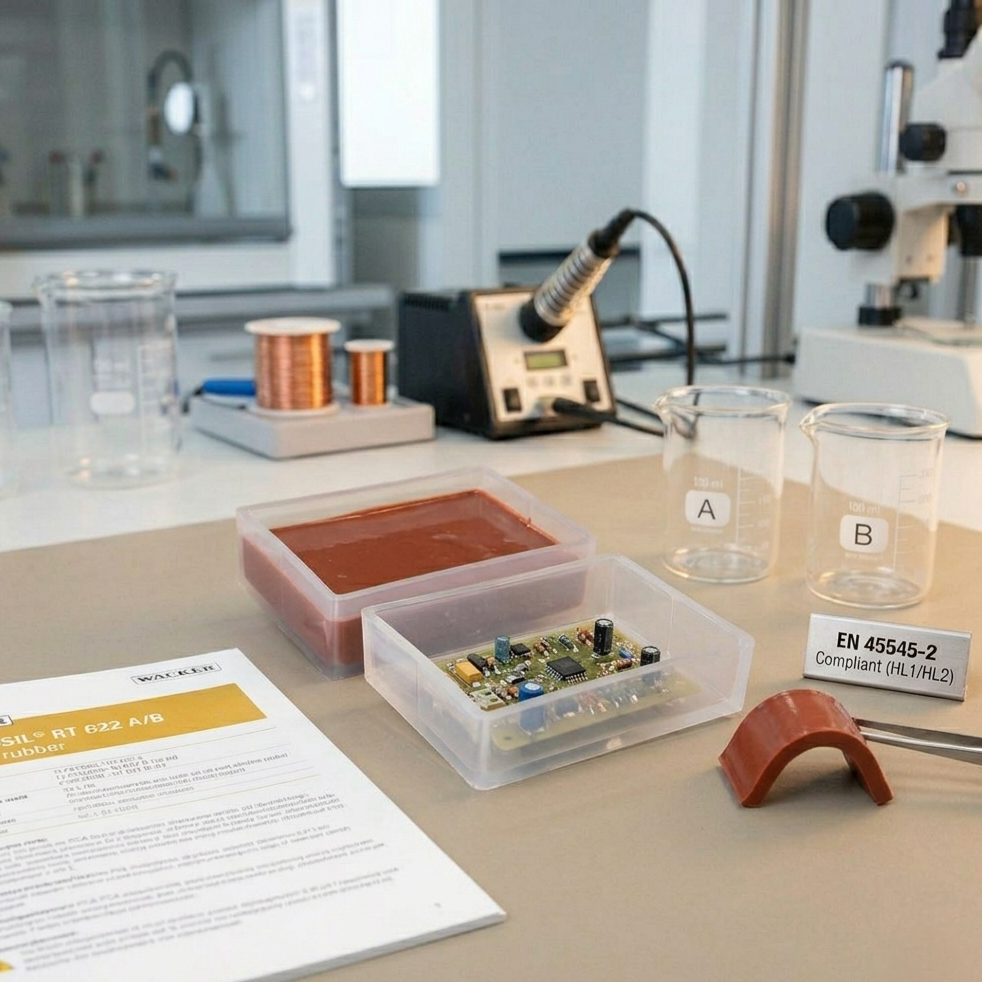
ELASTOSIL RT622 Without Compromise. Why This Silicone Is So Hard to Replace – and What the Competition Really Offers
There is no shortage of RTV-2 silicones on the market positioned as alternatives to ELASTOSIL RT 622. In practice, users most often turn to solutions from manufacturers such as Momentive (e.g. RTV 225, RTV 227), Dow (Sylgard 170, Sylgard 184), Shin-Etsu (KE-1300T, KE-1310ST), Elkem (Silbione RTV 440/450), or ACC Silicones (QSil 216/218). These are good materials – but they are designed with different priorities.
This is where the key difference emerges. RT622 is not just “another potting silicone,” but a material with an exceptionally well-balanced combination of properties: softness, mechanical strength, and long-term stability. In many cases, alternatives turn out to be either too hard, mechanically weaker, or require adjustments to the processing technology. During initial testing, these differences may seem negligible – it is only in real-world operation that the gap becomes apparent.
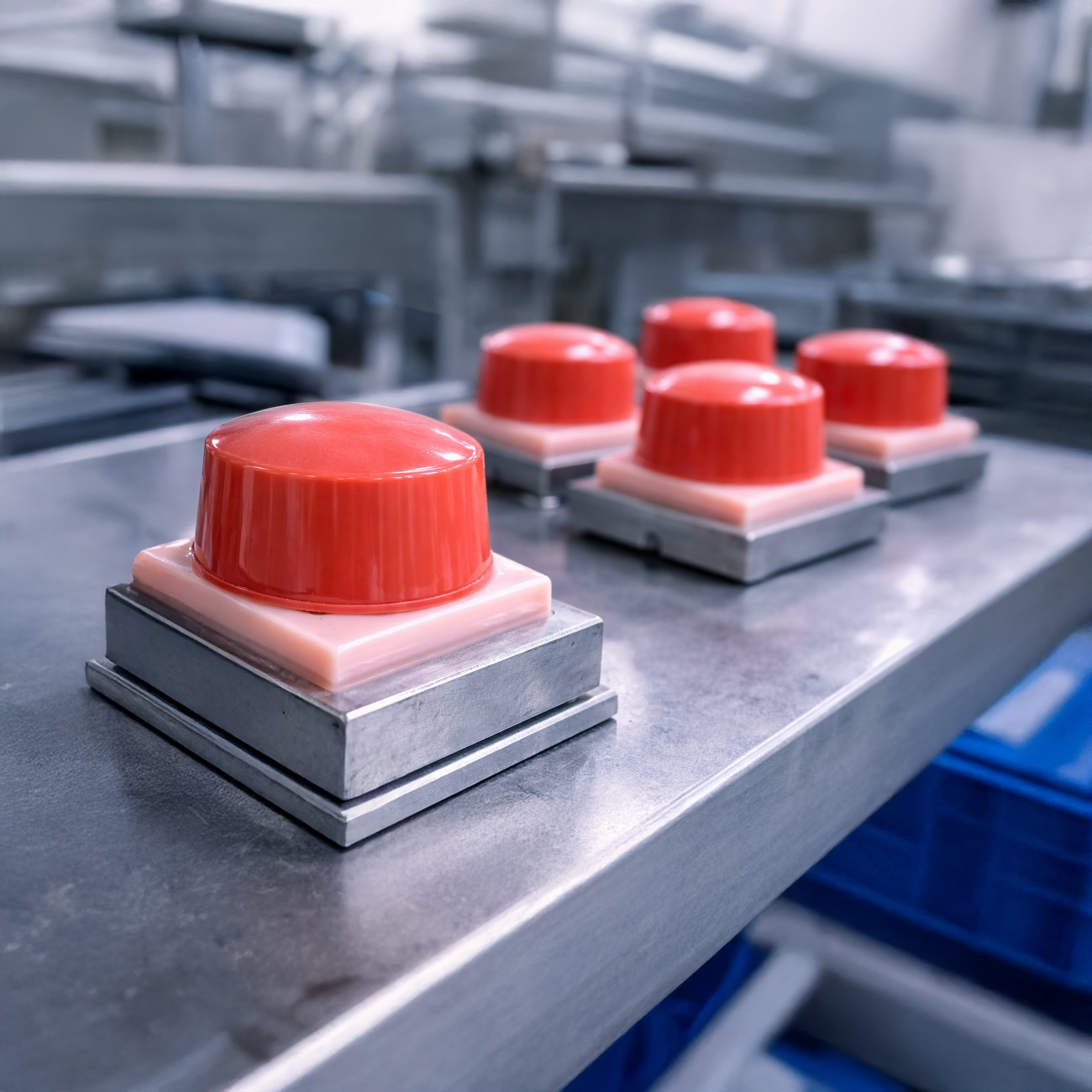
Elastosil RT623 or RT623 KR? Same product number, completely different working speed
RT 623 or RT 623 KR? Although the name sounds similar, the differences in real production use are significant. The KR version was designed for fast cycles and mass production, while the standard RT 623 offers greater process control and working comfort for more complex molds. Find out which variant better suits your technology and learn how to choose the right silicone for real production conditions.
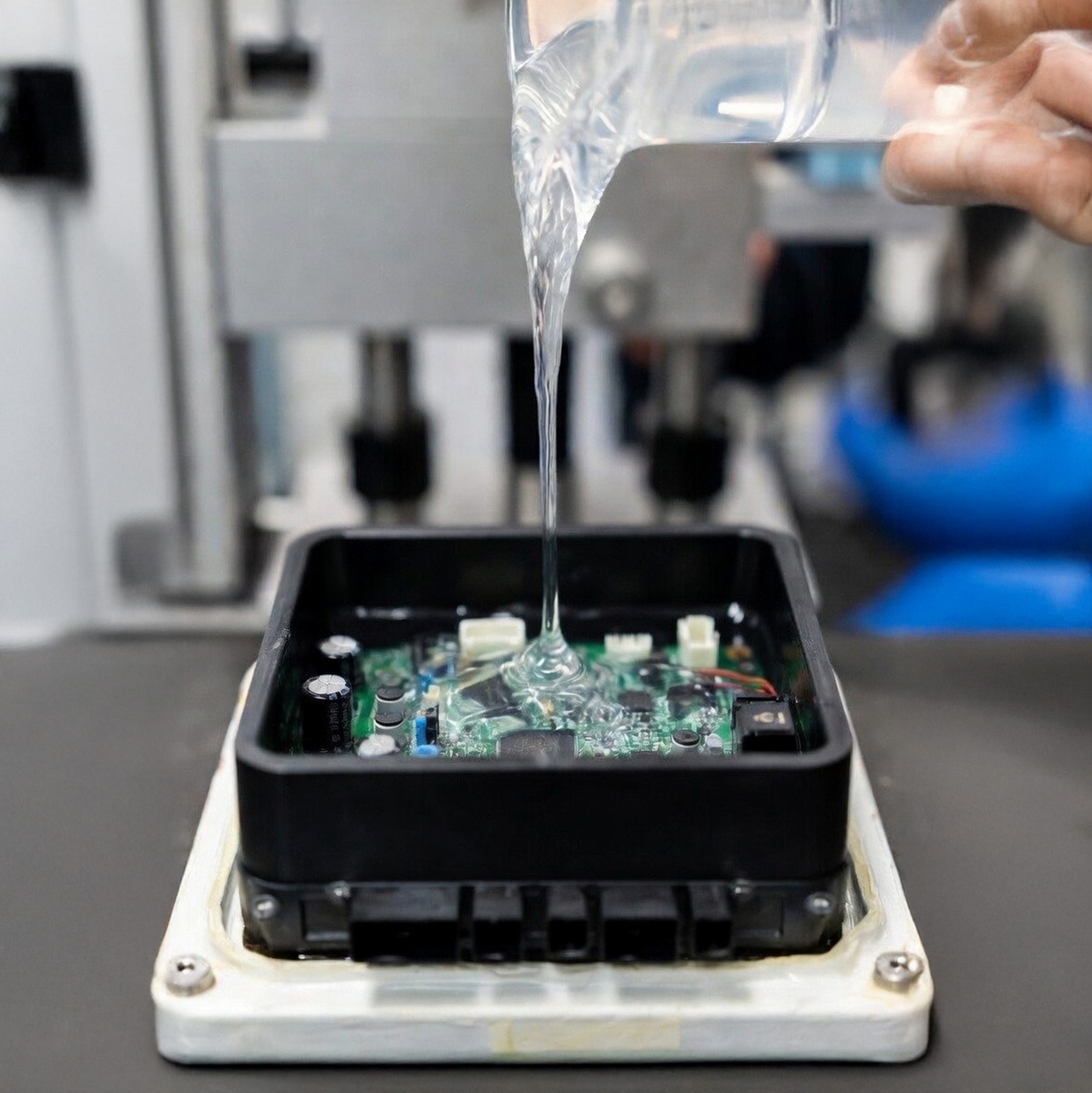
Soft as a gel, tough as armor. Why WACKER SilGel 612 is the best alternative to popular dielectric potting compounds
Soft as a gel, tough as armor. Discover WACKER SilGel® 612. Are your current potting compounds damaging delicate components and breaking solder joints during temperature fluctuations? It’s time for a change. Find out why the ultra-soft WACKER SilGel® 612 is becoming the new standard in the electronics industry, successfully replacing legacy market leaders (including Sylgard 527). Secure your electronic assemblies and your supply chain.
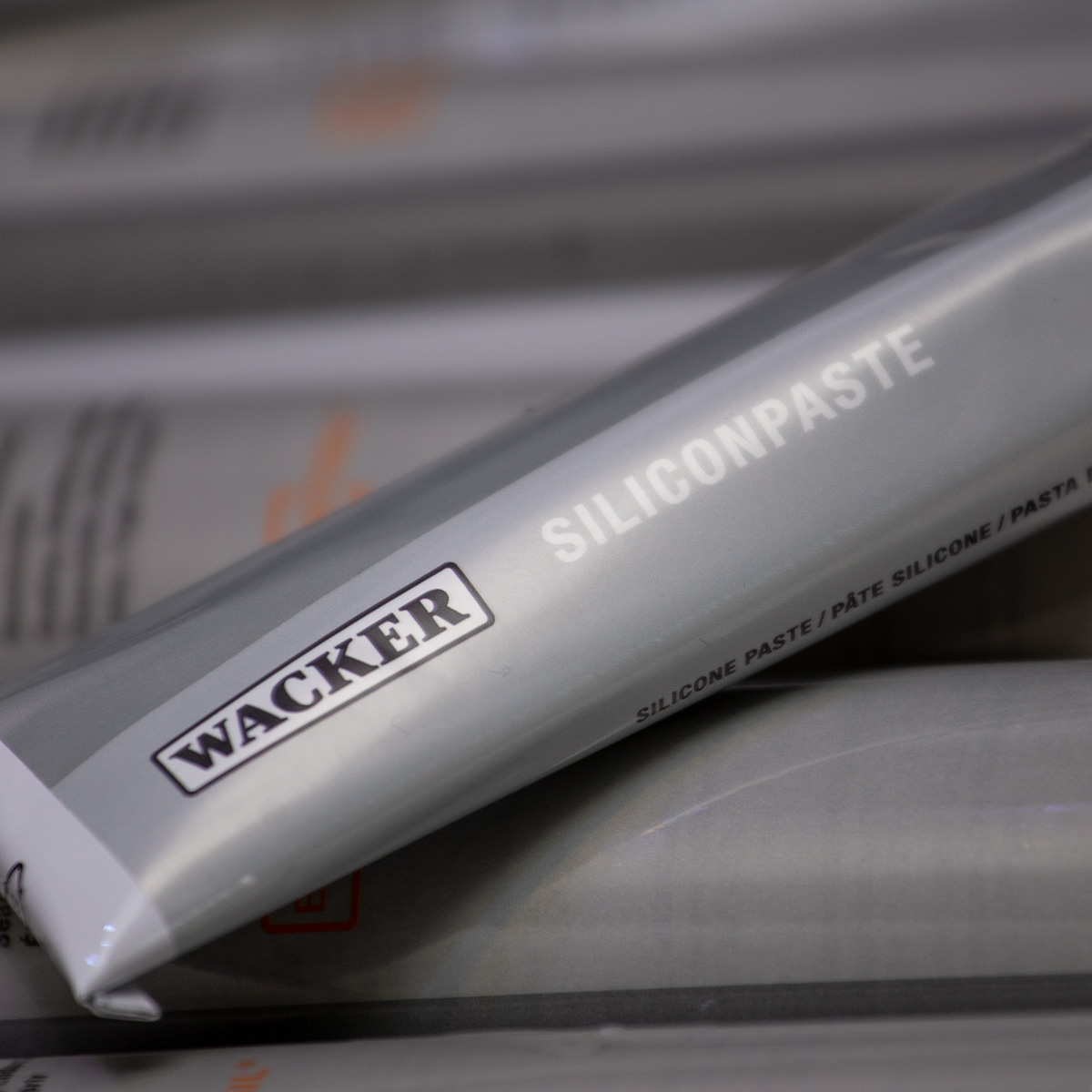
WACKER silicone pastes in practice: how do P, P12 and POWERSIL AP differ, and how do you choose the right one?
Although they often remain unseen, silicone pastes have a huge impact on the durability and reliability of devices. What distinguishes the universal Paste P from the thermally conductive Paste P12 and the specialized POWERSIL AP? In this article, we show how selecting the right silicone paste translates into safer assembly, better protection of electronic components, and long-term operational stability. Discover why these “small” materials make such a big difference.