

Moisture in cable accessories can impair their insulation and lead to failure. In this article we explain what a non-curing silicone paste is used for when installing cable joints and terminations, and what to watch out for during the work. Learn about the properties of POWERSIL® Paste AP 90 ml paste from WACKER.
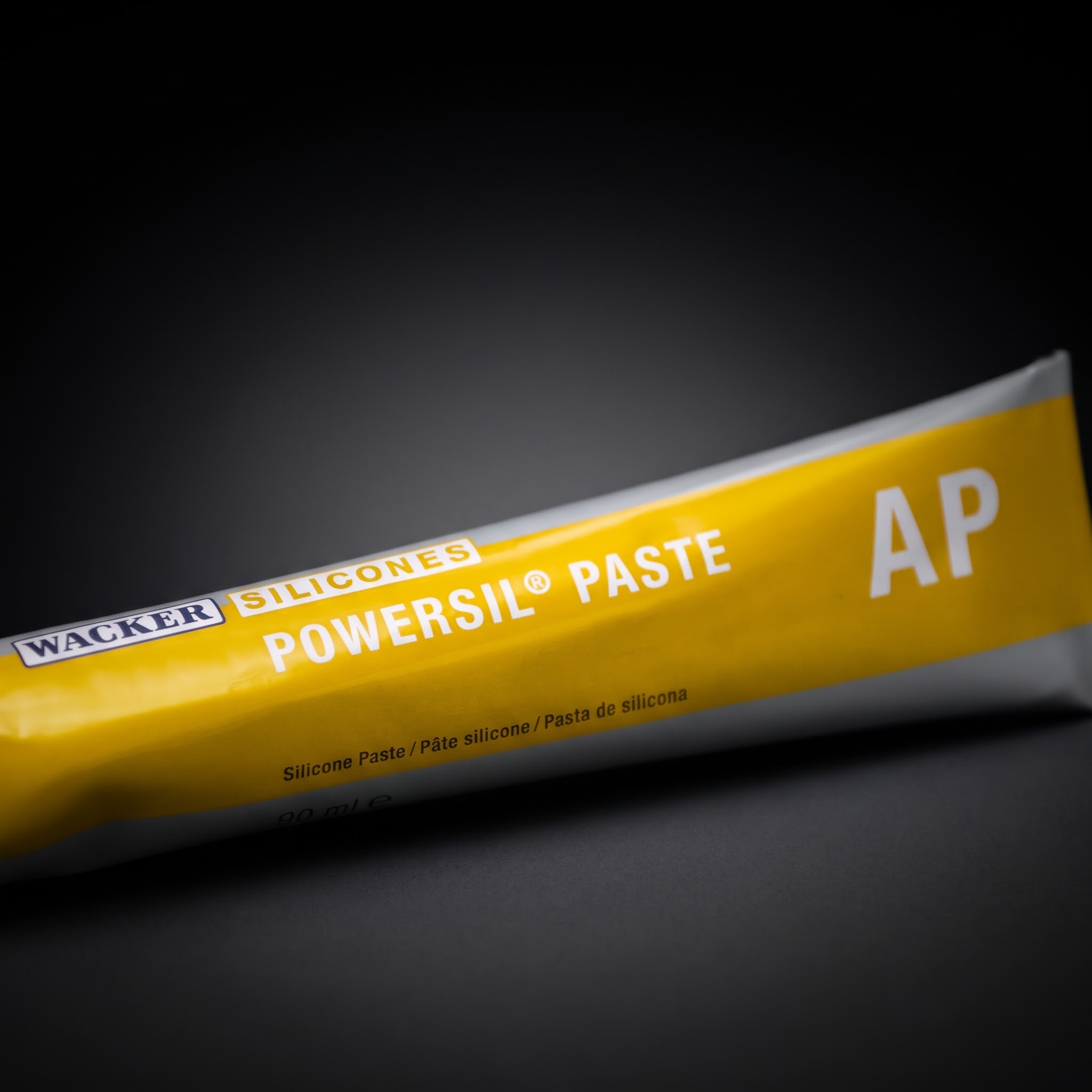
How to protect cable joints and terminations from moisture? The role of POWERSIL® Paste AP
Read more

Processing Silicone Elastomers in Industry: A Guide and Common Mistakes
Modern industry requires materials that can withstand the most demanding conditions – from high temperatures and strong vibrations to aggressive chemical environments. Silicone elastomers are a cornerstone in manufacturing, electronics, and the automotive industry. They ensure reliability, provided that their processing is carried out flawlessly.
In the following article, we discuss the key aspects of processing RTV (Room Temperature Vulcanizing) silicones and point out how to avoid typical production problems. All specialized industrial chemical products necessary to implement these processes can be found in the professional product range at silray.pl.
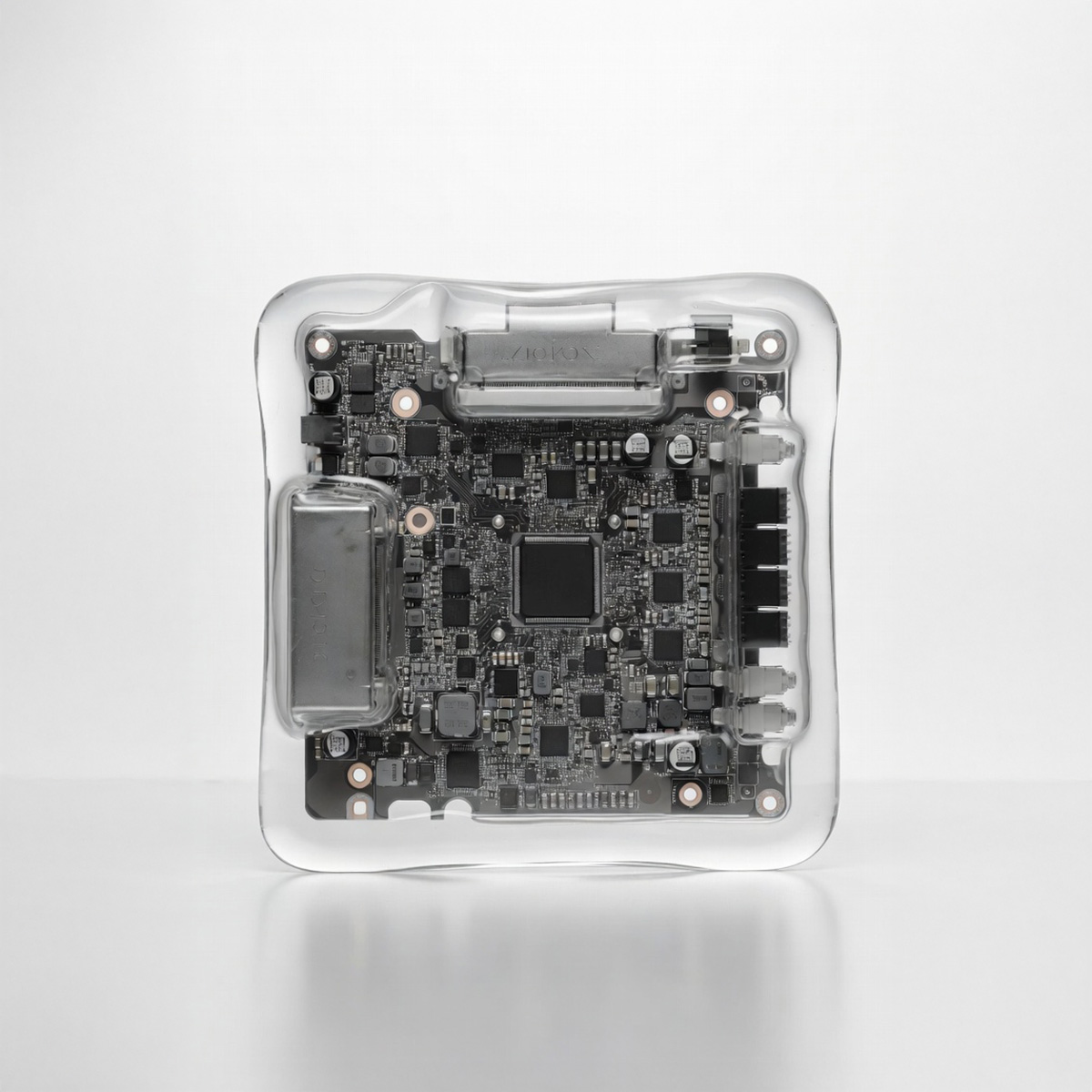
Mixing and Curing WACKER SilGel 612 in Practice – What to Do When the Gel Is Too Soft or Too Tacky
Is your SilGel® 612 coming out too soft, sticky, or curing unevenly?
In our practical guide, we show you exactly how to mix it at a 1:1 ratio, how to adjust the proportions up to 1.5:1, when to add Catalyst EP or Inhibitor PT 88, and how to achieve a perfectly dry, tack-free surface using ELASTOSIL® RT 601.
Read the full article and never waste another gram of gel!
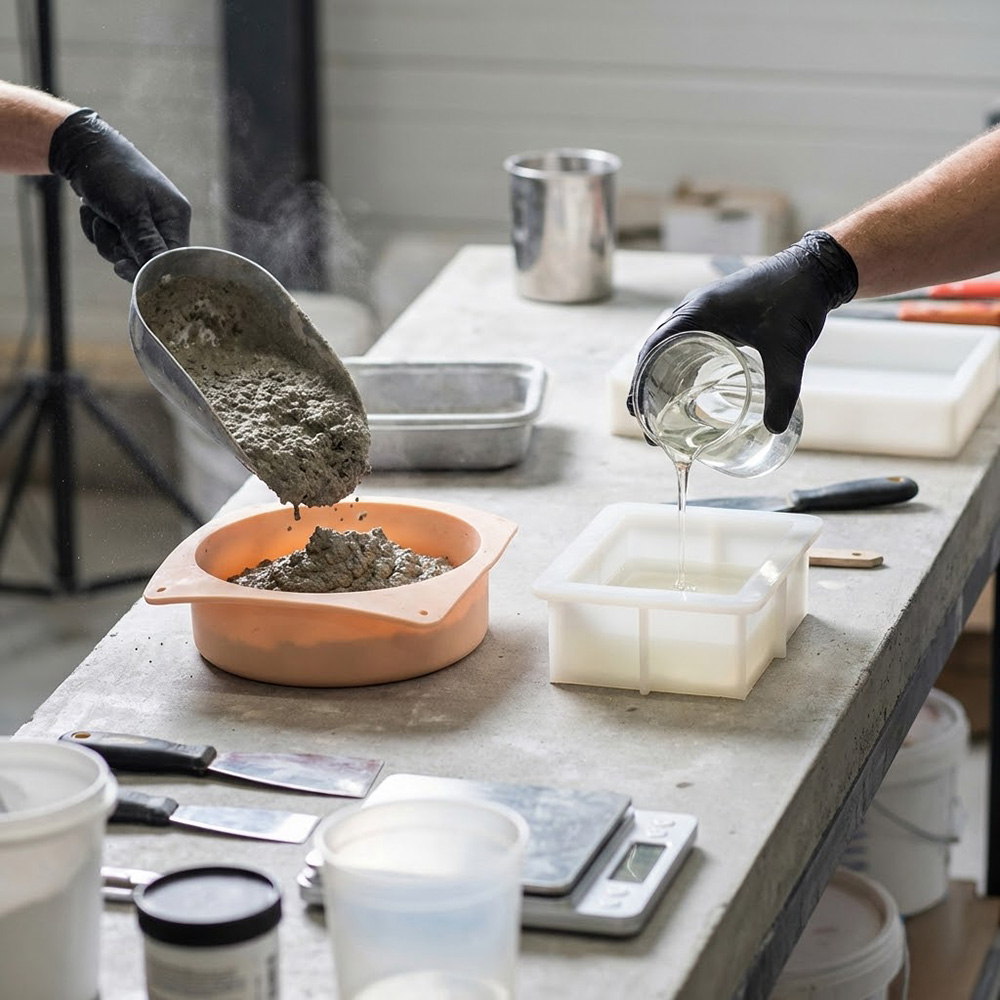
Hard or Flexible? How to Choose the Perfect Mold-Making Silicone?
Architectural concrete, precision resin casts, or perhaps chocolate molds? Every project requires a different rubber specification. Choosing the wrong silicone carries the risk of damaging your model and wasting money.
In our latest guide, we compare three professional Wacker solutions: Cenusil M 830, Elastosil M 4630, and Elastosil M 4670. Find out when to opt for extreme flexibility and when to choose technical rigidity. Stop guessing – make an informed choice.
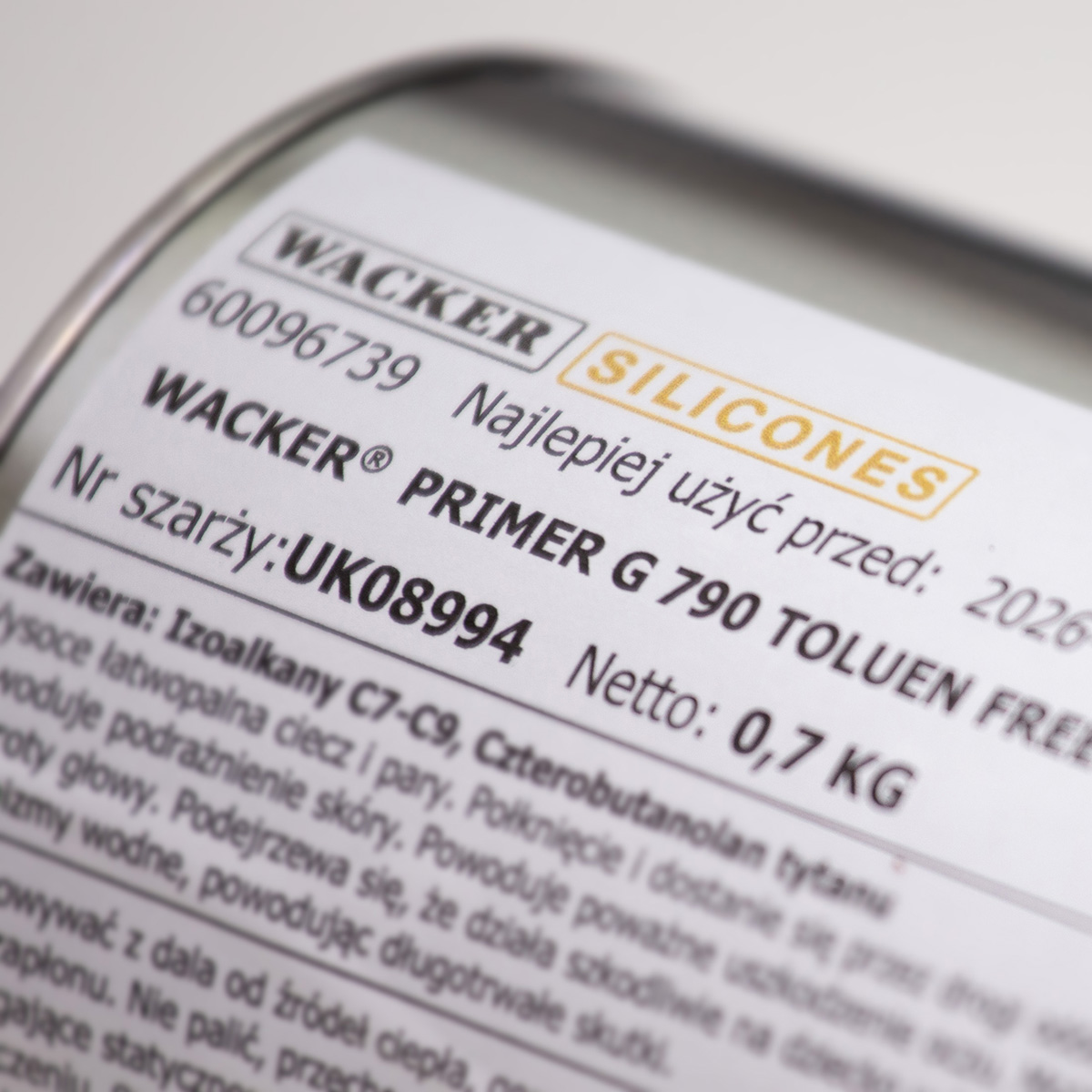
Primer G 790 – when to use it and how to apply it correctly
Primer G 790 should be used whenever an RTV-2 or LSR silicone has to bond permanently to a substrate and retain its adhesion throughout its service life. It is especially recommended for potting electronics, moulding silicone parts and applications exposed to moisture, heat and vibration. It is not necessary, however, where the silicone is meant to remain removable or serve purely as a protective layer without adhesion.
Correct application starts with thorough cleaning and degreasing of the surface, followed by a very thin, even coat of primer applied by brush, spraying or dipping. After application, allow 30–60 minutes for the solvent to evaporate completely before applying the silicone. Used according to these rules, G 790 significantly improves bond durability and the stability of the entire process.