

In low Earth orbit, solar panels go through thousands of heating and cooling cycles every year. Prompted by November's tests of perovskite modules in orbit, this article explains why the differing expansion of the cell, the glass and the substrate loads the adhesive, and why its flexibility matters. Get to know the WACKER® RTV-S 691 A/B silicone for bonding solar cells.

Minus a hundred degrees and back: why adhesive in orbit must not crack
Read more
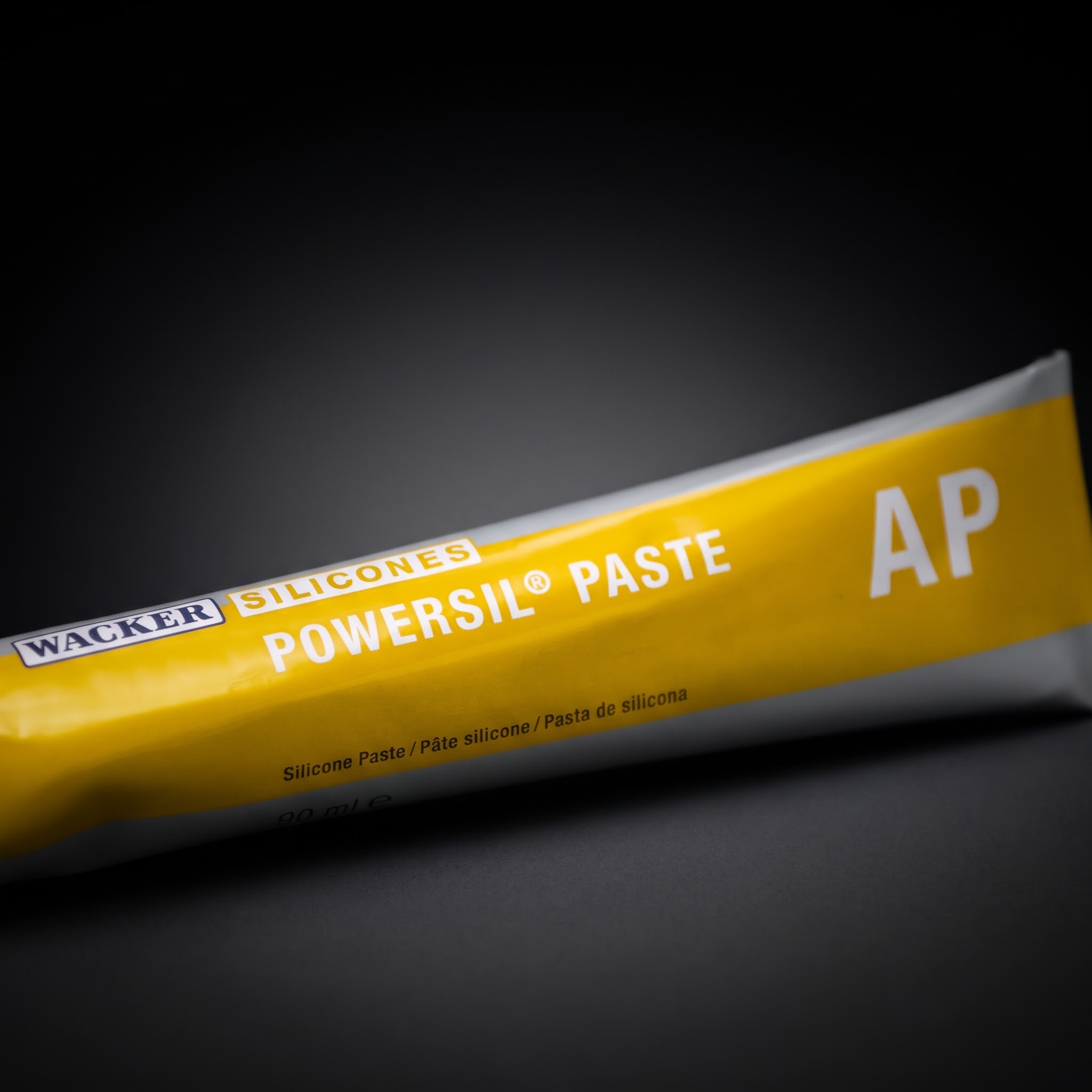
How to protect cable joints and terminations from moisture? The role of POWERSIL® Paste AP
Moisture in cable accessories can impair their insulation and lead to failure. In this article we explain what a non-curing silicone paste is used for when installing cable joints and terminations, and what to watch out for during the work. Learn about the properties of POWERSIL® Paste AP 90 ml paste from WACKER.
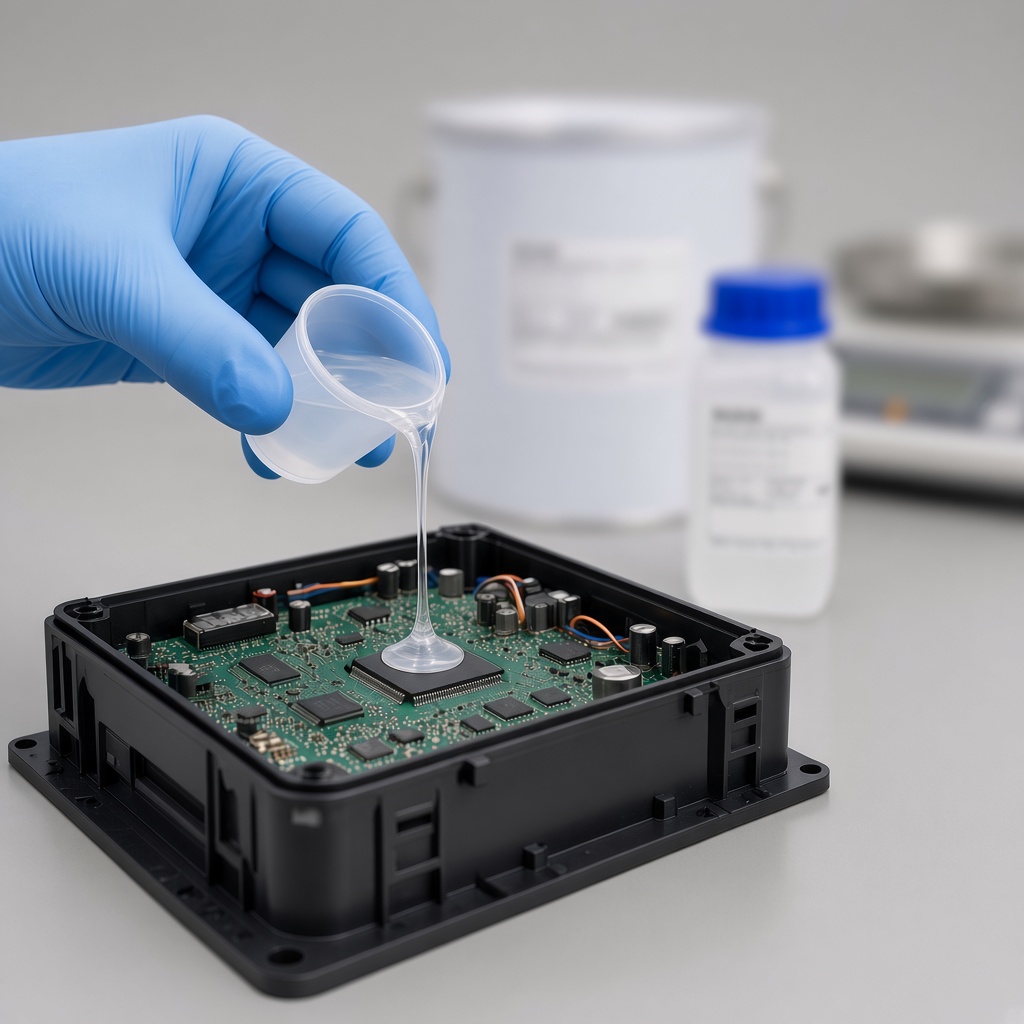
Which ELASTOSIL RT should you choose: RT 601, RT 602, RT 604, RT 607, RT 625 or RT 675?
Not every silicone potting compound solves the same problem. ELASTOSIL RT 607 A/B combines flame retardancy with electrical engineering and railway applications; ELASTOSIL RT 601 A/B and ELASTOSIL RT 604 A/B keep encapsulated components visible, while ELASTOSIL RT 602 A/B is a general-purpose light-grey encapsulant. Where tear resistance matters more, take a closer look at ELASTOSIL RT 625 A/B; where heat conduction is the priority, consider ELASTOSIL RT 675 A/B. We compare properties, mixing ratios and working times, then explain how to prepare a potting trial while avoiding the most common mistakes.
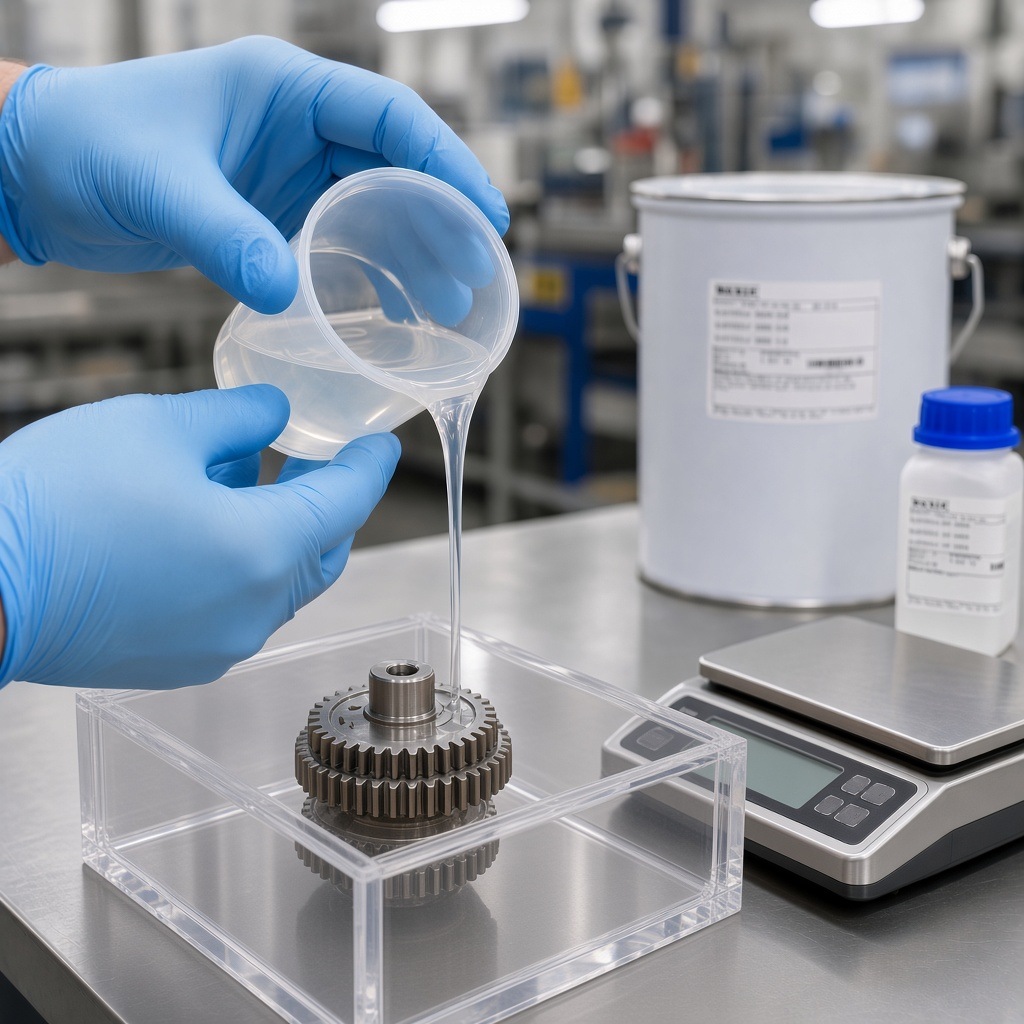
Silicone Mold with ELASTOSIL VARIO: Choosing Hardness and Catalyst
The WACKER ELASTOSIL VARIO system consists of two silicone bases and two catalysts that combine like building blocks. The soft ELASTOSIL VARIO 15 and the harder ELASTOSIL VARIO 40 let you set mold hardness anywhere from 15 to 40 Shore A, while the CAT VARIO (normal) and CAT VARIO-F (fast) catalysts set the working pace from 2 to 150 minutes. Here is how to choose the right combination and make a silicone mold step by step.
Silicone gels – the invisible protective shield of modern electronics
Silicone gels are among the most underestimated yet crucial protective materials used in electronics, power engineering, and automation. Although soft and highly flexible, they provide a level of protection that often determines the reliability of an entire device. In our latest article, we explain why engineers around the world are increasingly turning to WACKER silicone gels, how they differ from conventional silicones, and in which applications they perform best. It is a fascinating material that can extend the lifespan of electronics by many years—discover how it works and why it is worth using.
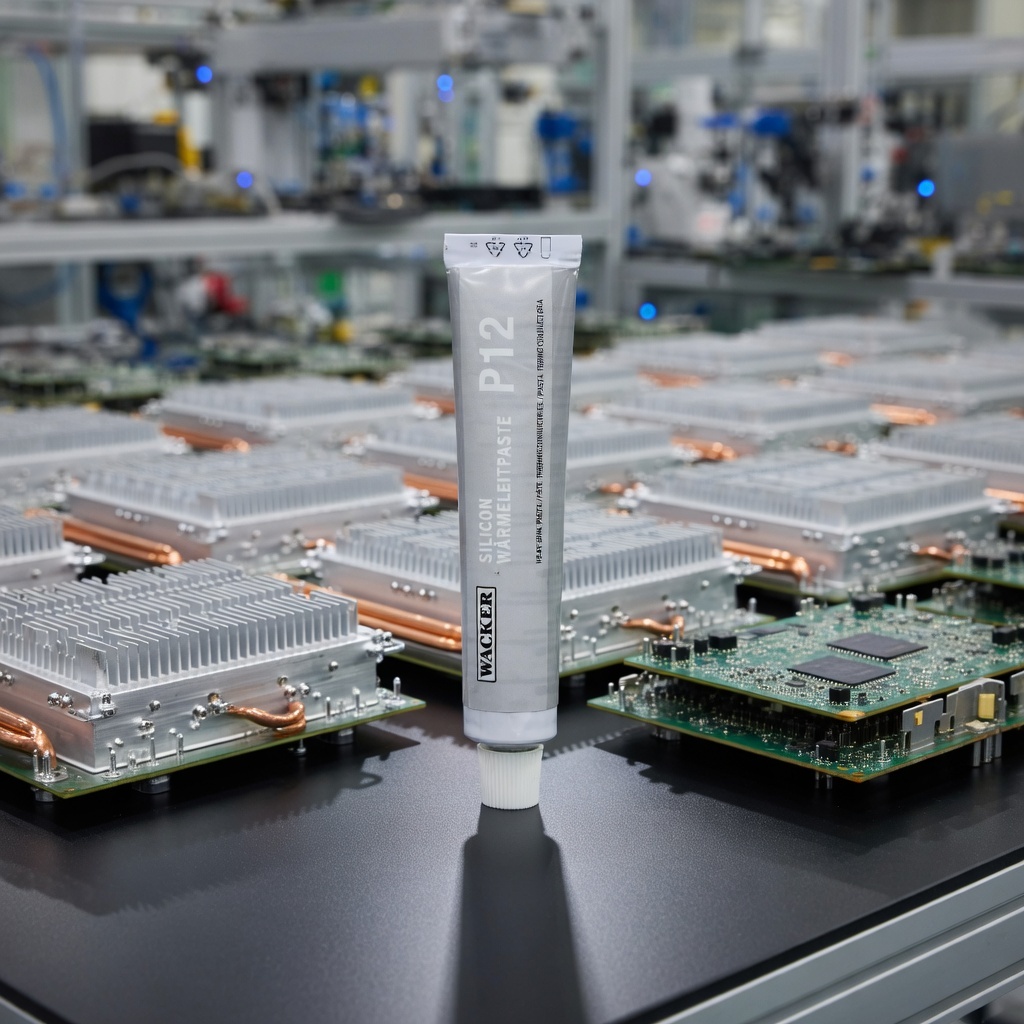
A radiator isn’t everything. Why are engineers switching to WACKER PASTE P12 in droves?
Even the best radiator won’t work without a good thermal paste—but do you really need to overpay for a famous brand? Meet WACKER® PASTE P 12. This reliable silicone paste can replace products like DOWSIL™ 340, Momentive YG6260, or Shin-Etsu G-746 without any modifications to your production process. It guarantees extremely low oil separation (<0.4%), cuts thermal resistance by half, and secures your supply chain.
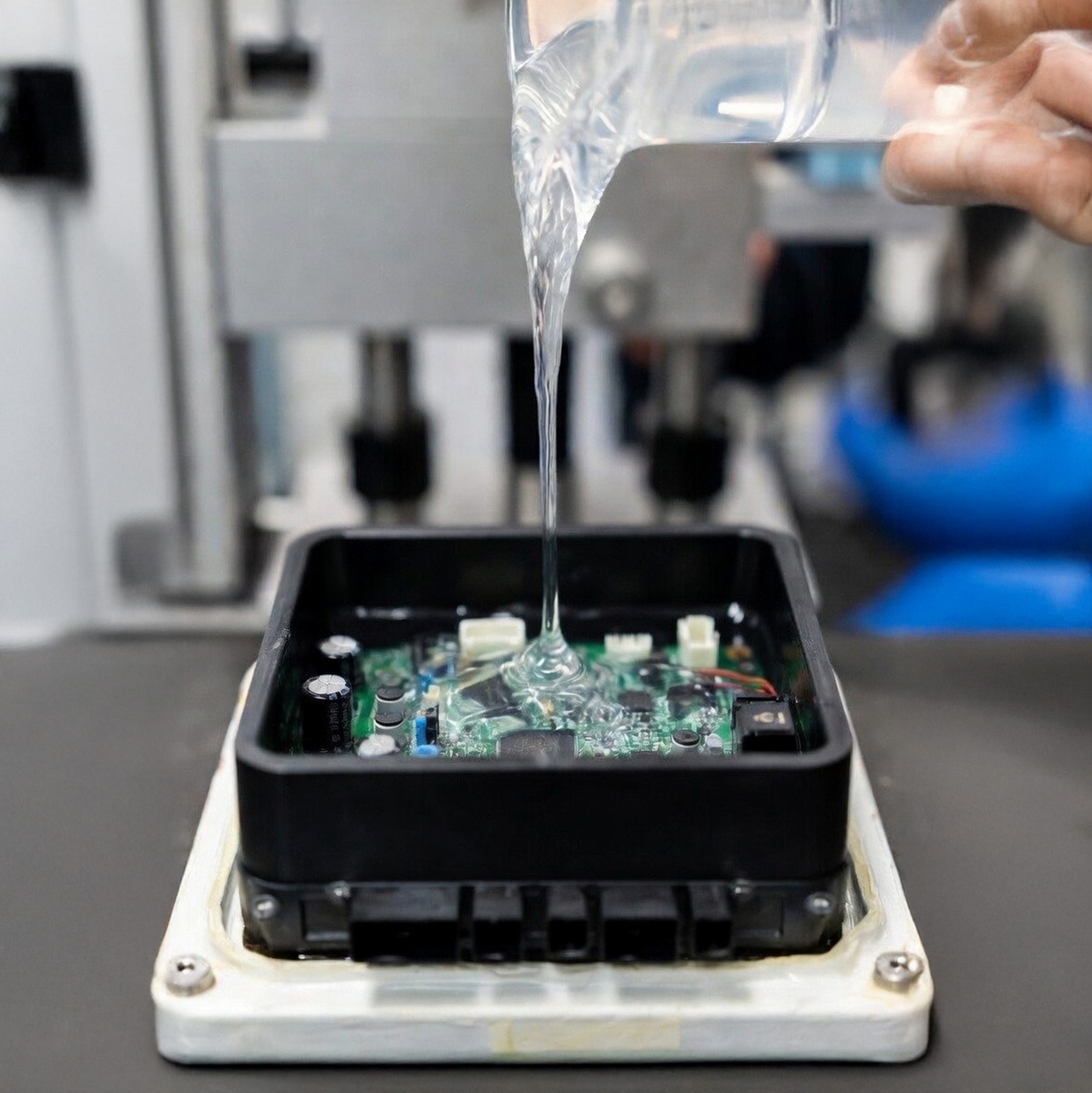
Soft as a gel, tough as armor. Why WACKER SilGel 612 is the best alternative to popular dielectric potting compounds
Soft as a gel, tough as armor. Discover WACKER SilGel® 612. Are your current potting compounds damaging delicate components and breaking solder joints during temperature fluctuations? It’s time for a change. Find out why the ultra-soft WACKER SilGel® 612 is becoming the new standard in the electronics industry, successfully replacing legacy market leaders (including Sylgard 527). Secure your electronic assemblies and your supply chain.
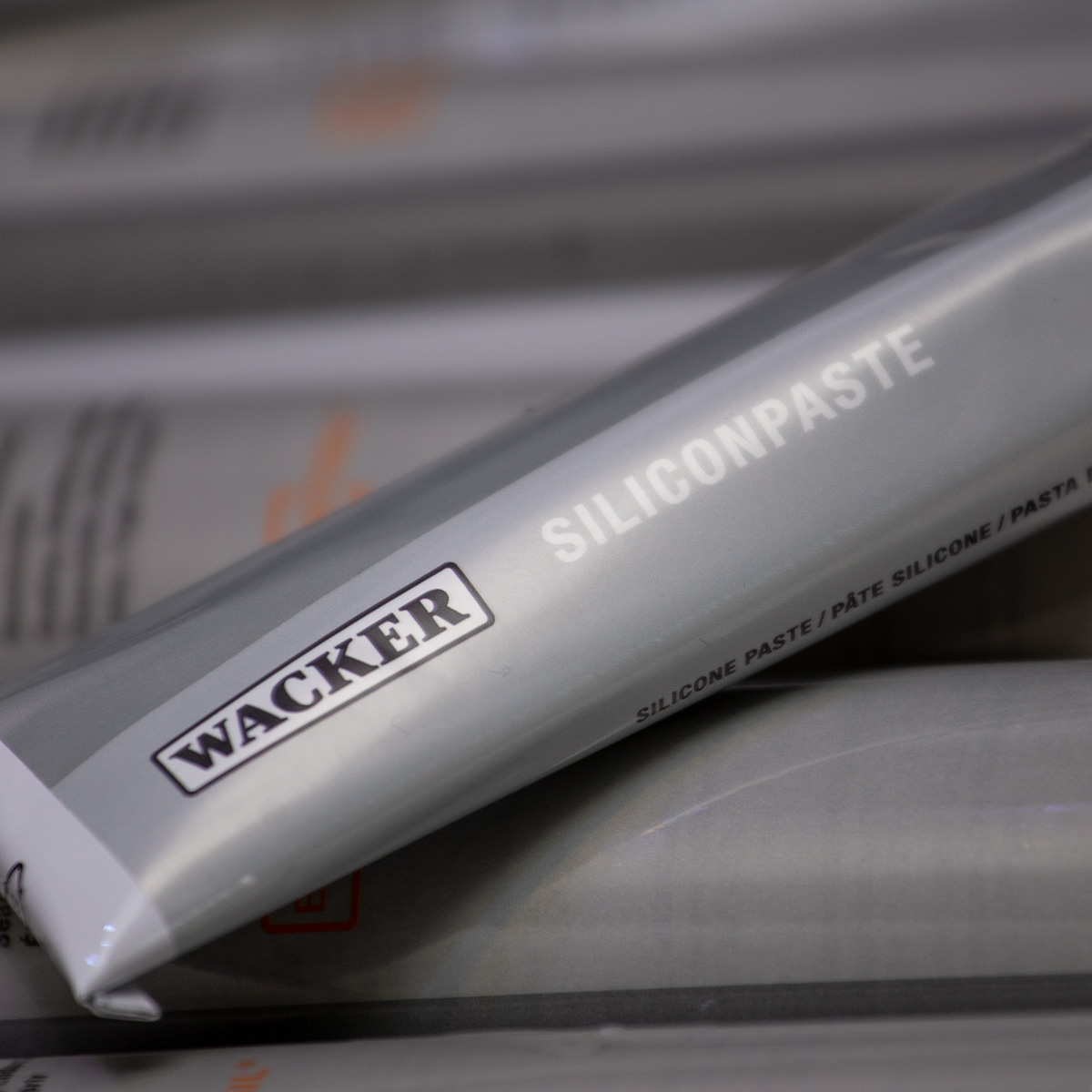
WACKER silicone pastes in practice: how do P, P12 and POWERSIL AP differ, and how do you choose the right one?
Although they often remain unseen, silicone pastes have a huge impact on the durability and reliability of devices. What distinguishes the universal Paste P from the thermally conductive Paste P12 and the specialized POWERSIL AP? In this article, we show how selecting the right silicone paste translates into safer assembly, better protection of electronic components, and long-term operational stability. Discover why these “small” materials make such a big difference.
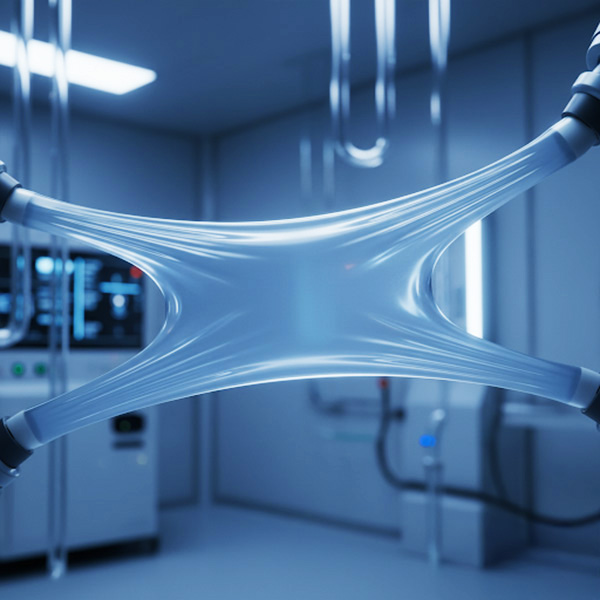
WACKER ELASTOSIL® – a benchmark of quality in electronics and industry
ELASTOSIL silicones are materials that set the standard for electronics protection, sealing of technical equipment, and industrial manufacturing. They combine durability, resistance to extreme conditions, and exceptional stability, making them suitable for the most demanding industries — from lighting and automation to power electronics, rail, and advanced assembly systems. In this article, we show how they form a cohesive family of solutions that genuinely enhance device reliability.
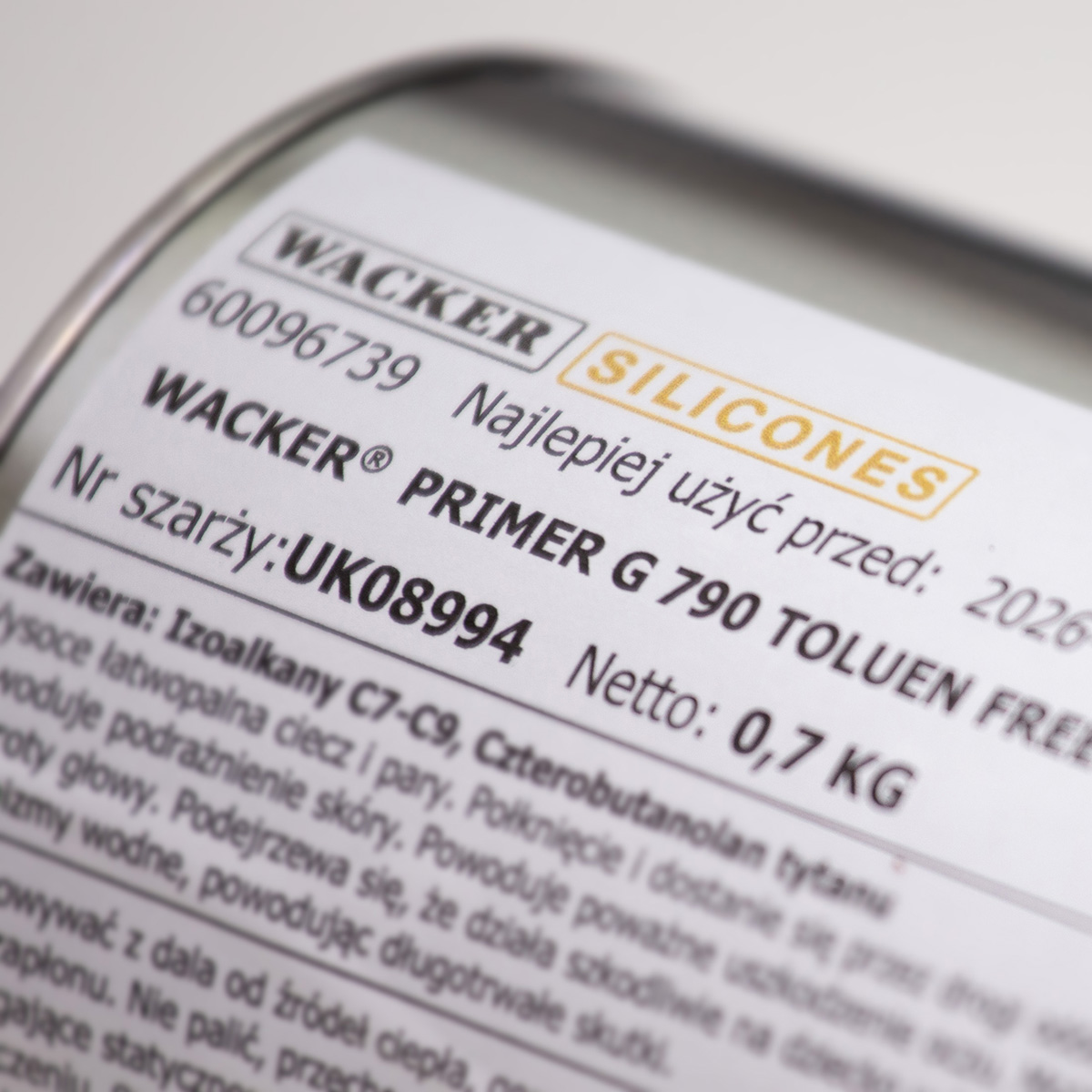
Primer G 790 – when to use it and how to apply it correctly
Primer G 790 should be used whenever an RTV-2 or LSR silicone has to bond permanently to a substrate and retain its adhesion throughout its service life. It is especially recommended for potting electronics, moulding silicone parts and applications exposed to moisture, heat and vibration. It is not necessary, however, where the silicone is meant to remain removable or serve purely as a protective layer without adhesion.
Correct application starts with thorough cleaning and degreasing of the surface, followed by a very thin, even coat of primer applied by brush, spraying or dipping. After application, allow 30–60 minutes for the solvent to evaporate completely before applying the silicone. Used according to these rules, G 790 significantly improves bond durability and the stability of the entire process.