English
Open search engine
Search
Close search engine Clear Search
Products in the cart: 0. See details

Your cart is empty

Entries tagged "Elastosil"

Post categories

Post categories

Tags

Tags

Post categories

Post categories

Tags

Tags

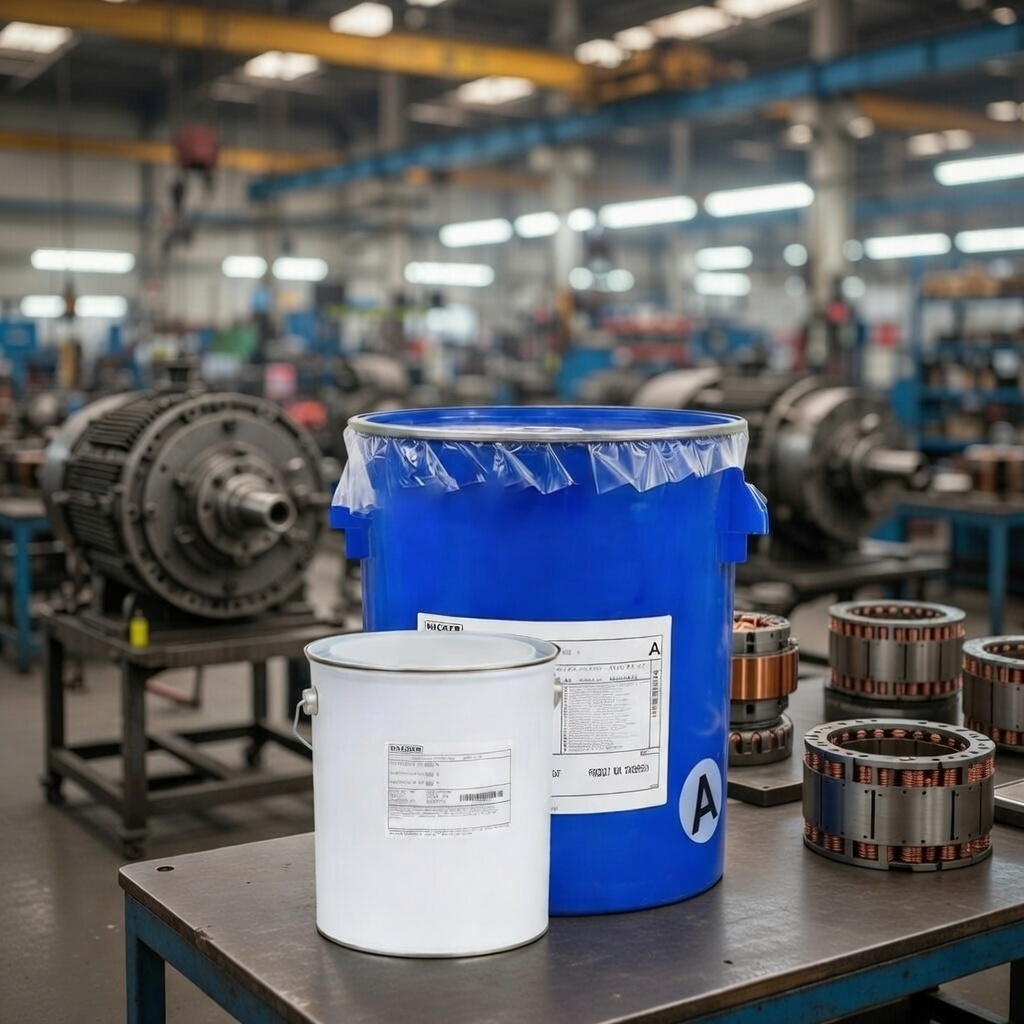
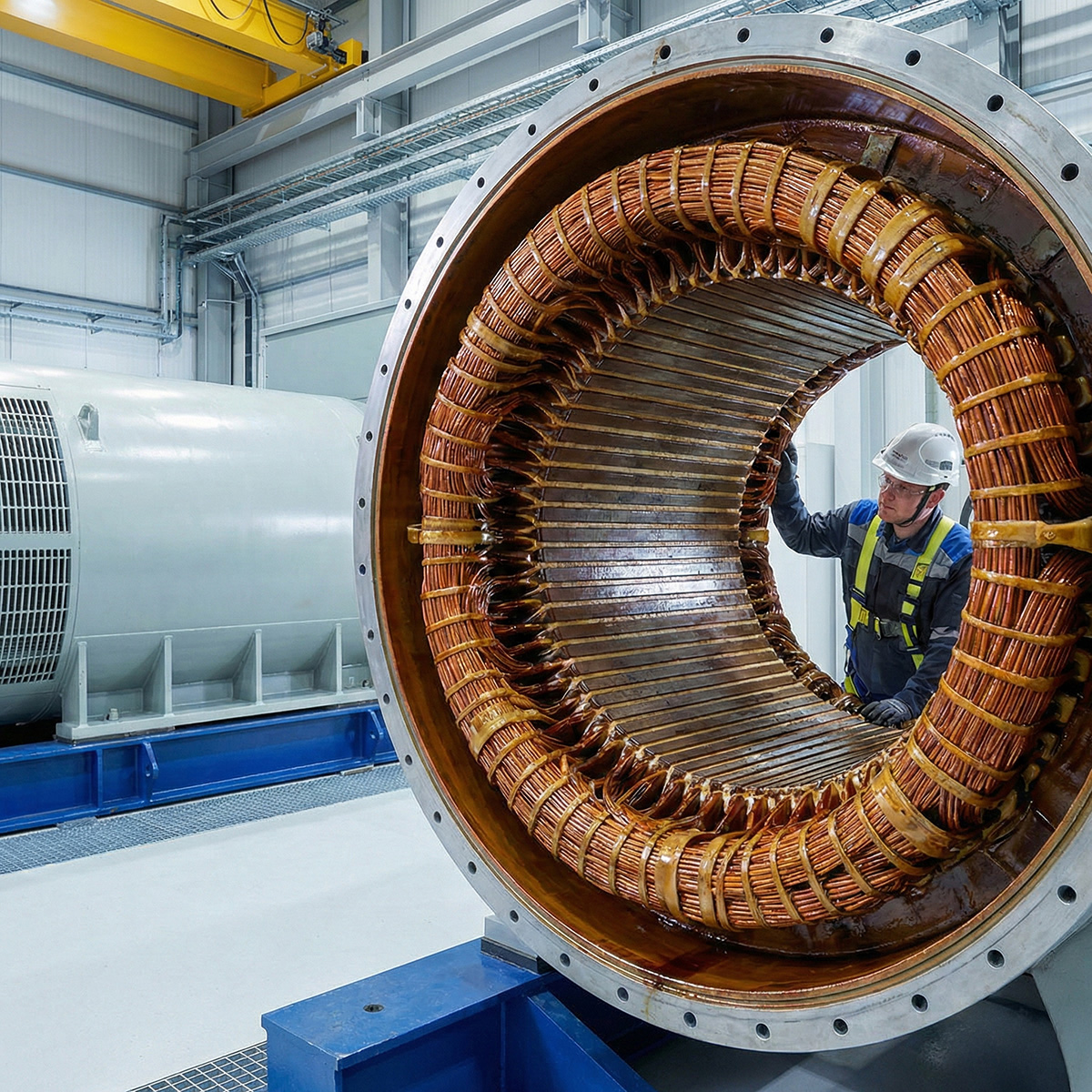
ELASTOSIL® RT 622 in Traction Motor Repairs – Soft Protection with a Tough Reputation

Traction motors operate in extreme conditions where traditional resins and varnishes often fail prematurely. This is why an increasing number of railway and tram service centers are turning to ELASTOSIL® RT 622 silicone. Thanks to its soft structure, high resistance, and excellent electrical insulation properties, this material can significantly extend the lifespan of refurbished components. To discover why RT 622 has become one of the most effective solutions in traction motor regeneration, read the full article.

Read more

How Does ELASTOSIL® RT 628 Protect Transformer Windings?

Transformer windings operate under extreme conditions—exposed to high temperatures, constant vibrations, and humidity. This is why flexible RTV-2 silicones are increasingly used for their protection. ELASTOSIL® RT 628 A/B provides durable electrical insulation, effectively compensates for mechanical stress, and maintains stability even at temperatures up to +180°C. Discover why this silicone has become a proven solution in modern electrical engineering and the power industry.

Read more

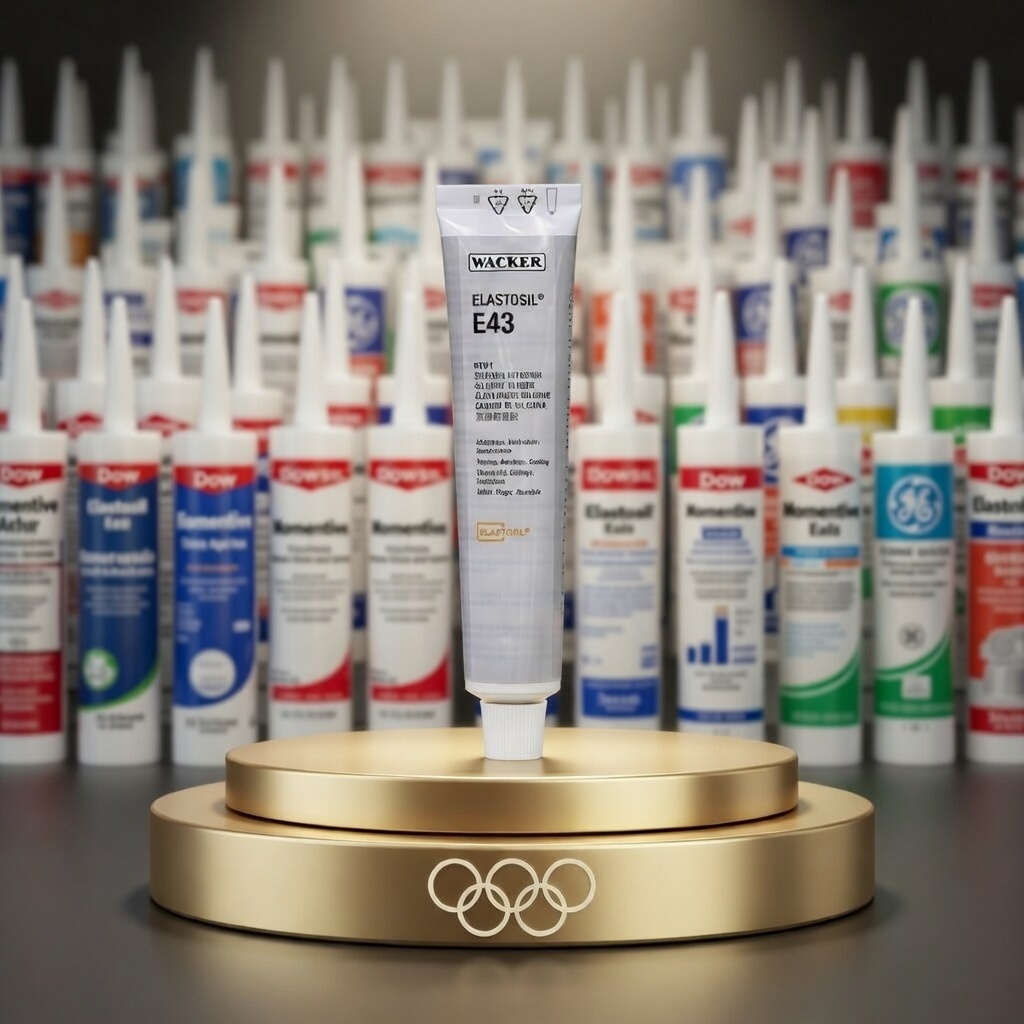
ELASTOSIL® E43 – when standard solutions stop working

Not every silicone is the same. In demanding industrial and electronic applications, the differences between materials become apparent very quickly — especially where durability, adhesion, and resistance to operating conditions matter most.

In this article, we take a closer look at ELASTOSIL® E43 — a specialized RTV-1 silicone adhesive that, thanks to its fluid consistency and exceptional adhesive properties, is often chosen where other solutions fall short. In practice, it is a material capable of taking on the role of several different products, simplifying processes and increasing the reliability of bonded joints.

If you want to learn why E43 is regarded as one of the strongest solutions in its class, where it performs best, and what sets it apart from standard silicones — we invite you to read the full article.

Read more

WACKER ELASTOSIL® – a benchmark of quality in electronics and industry

ELASTOSIL silicones are materials that set the standard for electronics protection, sealing of technical equipment, and industrial manufacturing. They combine durability, resistance to extreme conditions, and exceptional stability, making them suitable for the most demanding industries — from lighting and automation to power electronics, rail, and advanced assembly systems. In this article, we show how they form a cohesive family of solutions that genuinely enhance device reliability.

Read more

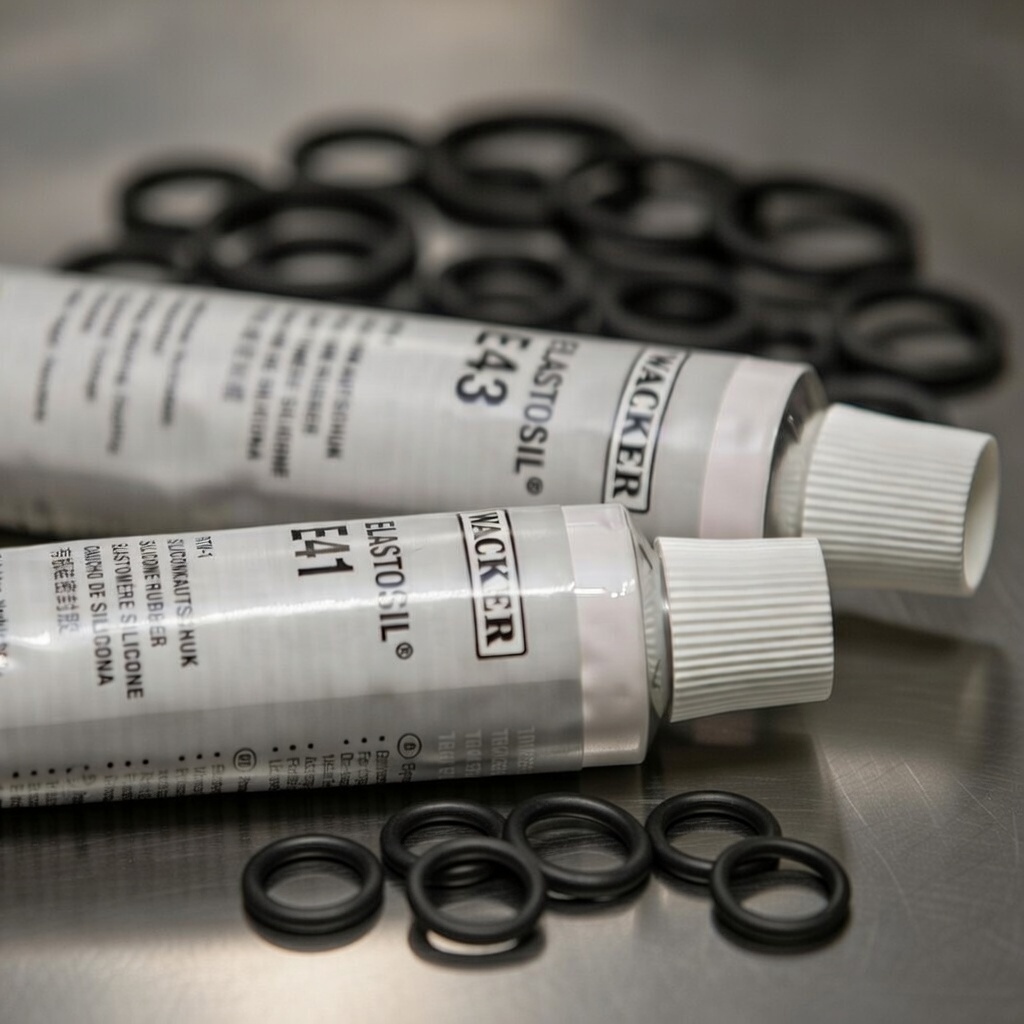
ELASTOSIL® E41 or E43? Seemingly similar — in practice completely different. Which one should you choose?

Although ELASTOSIL® E41 and E43 belong to the same RTV-1 silicone family, their applications differ far more than it might appear at first glance. One creates perfectly smooth, crystal-clear coatings — the other forms strong, structural bonds that underpin the long-term durability of devices.

If you want to understand why choosing the right silicone is critical to the reliability of electronics, lighting systems, and technical equipment, be sure to read the full article.


Read more

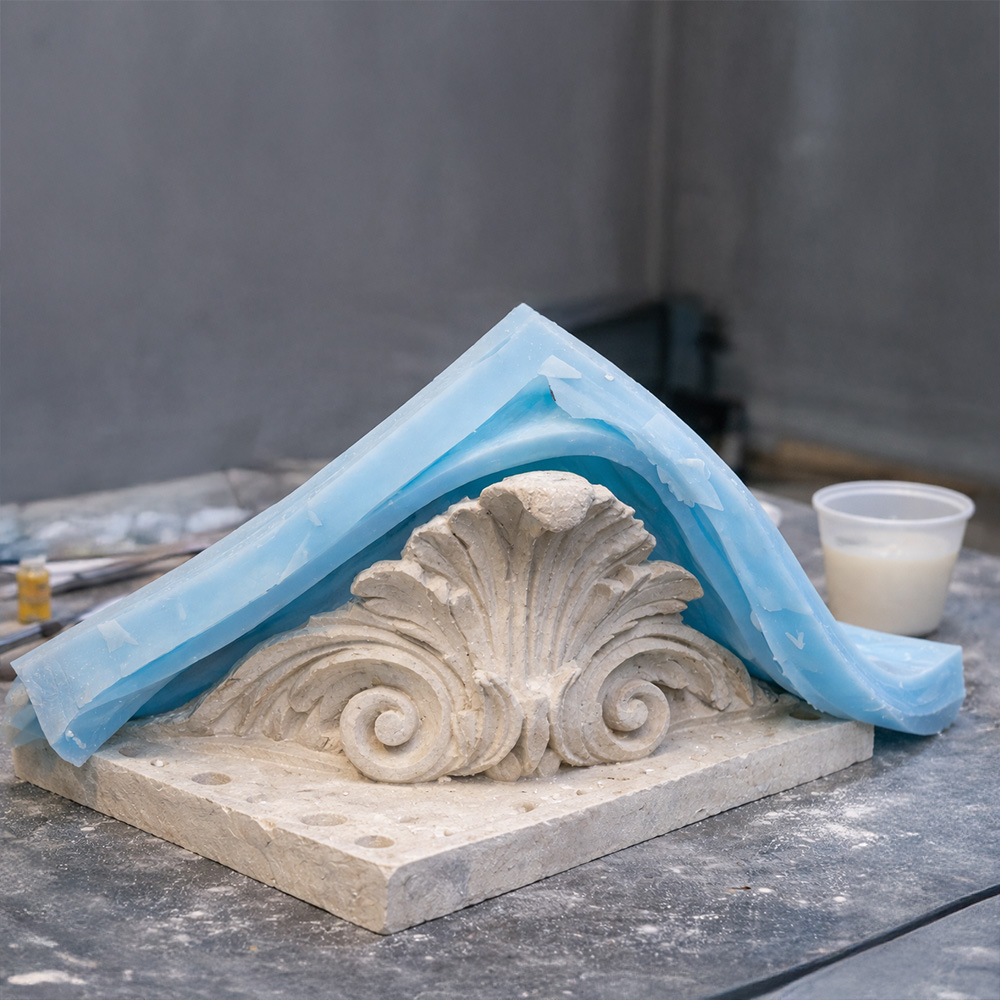
Silicones for Mold Making — How They Transformed Prototyping, Crafts, and Small-Batch Production

Silicones for mold making have revolutionized the world of prototyping, design, and small-batch production. They allow even the finest details to be reproduced with high fidelity, while remaining flexible, durable, and dimensionally stable. At the same time, they perform exceptionally well when working with resins, plaster, wax, or artistic concrete. In this article, we explain why systems such as ELASTOSIL® M and RTV-2 have become the standard in design studios, the creative industries, and technical applications — and how silicone has transformed the way we think about molding and creating replicas.

Read more