

Potting electronics is a long-term decision: the compound flows into every gap and stays with the components for the life of the device. Before you open the can, answer two questions: will you ever need to get to the components again, and does the circuit run hot? That decides whether you reach for a soft silicone gel or a flexible but solid RTV-2 potting compound. In this guide we compare WACKER SilGel 612 and SilGel 613 gels with the ELASTOSIL compounds RT 601, RT 604, RT 622, flame-retardant RT 607 and thermally conductive RT 675. We look at how they cope with moisture and vibration, whether you can dig a faulty component out of them, and how much stress they put on fine bond wires, sensors and solder joints during temperature changes. We show why a standard compound conducts heat only slightly better than plastic and when it pays to spend more on the filled RT 675. We have gathered mix ratios (1:1, 9:1, 10:1), pot life, viscosity and cure times at room temperature and in the oven in one place, so you know right away which compound will flow into a narrow gap and which needs degassing. A separate section covers inhibition – the most common cause of a tacky, uncured layer next to the PCB – and the materials to watch out for. We also explain what UL 94 V-0 really means and why “self-extinguishing” is not the same as “non-flammable”. We also advise when a clear compound lets you keep LEDs and components visible, how to match viscosity to narrow gaps and densely populated boards, and how to use additives to shorten or extend pot life when you pot larger batches. At the end you will find typical applications, a practical selection checklist and answers to the most common questions – all in plain language, from the perspective of someone who has potted more than a few boards.
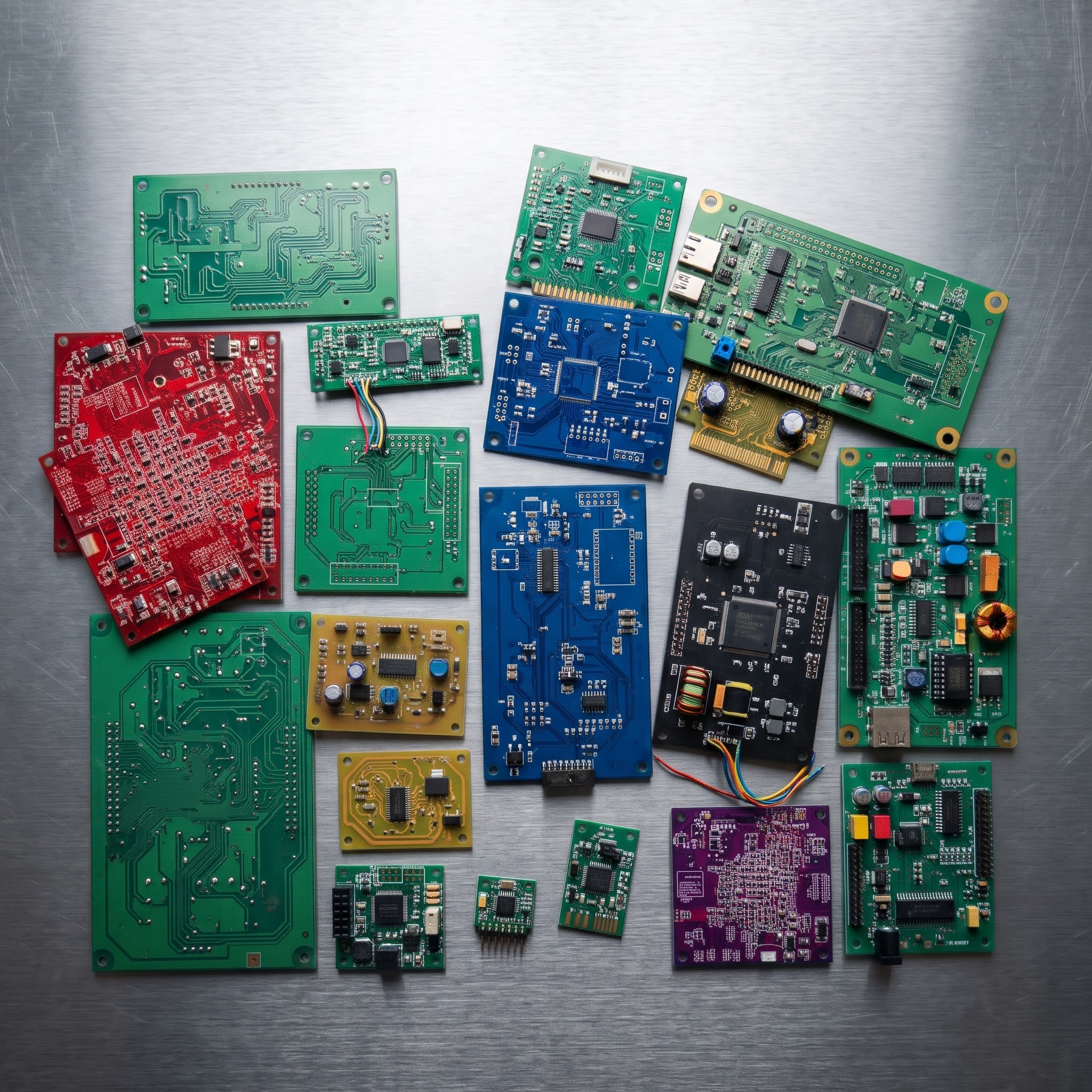
Potting Electronics: Silicone Gel or RTV-2 Compound?
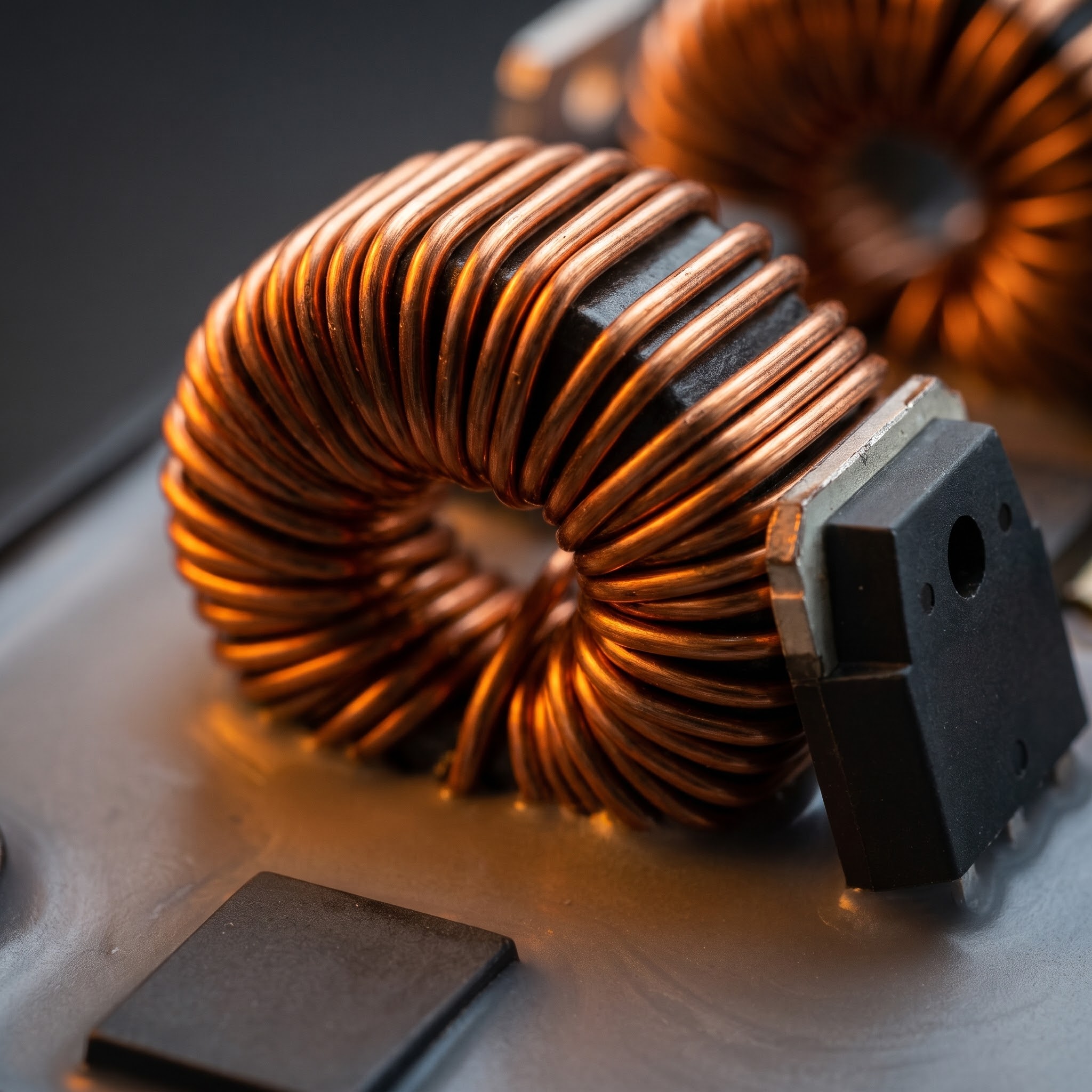
Thermal Management in Power Electronics: When is standard ELASTOSIL RT 628 enough, and when do you need to use RT 675?
Overheating electronics? See how to avoid the "thermos effect."
The miniaturization of power systems and the development of EV technology mean that merely providing physical protection for circuits is no longer enough today. You also need smart thermal management.
Did you know that a standard silicone potting compound can act like a thermos and cause your project to overheat? In our new article, we compare two powerful, yet completely different WACKER industrial silicones:
ELASTOSIL RT 628: A reliable shield. For when you need armor-like mechanical protection and a material that will simply survive at 180°C.
ELASTOSIL RT 675: An active heatsink. For when electronics generate massive amounts of heat that must be instantly dissipated to the outside (Thermal Management).
Find out when a hard protective shield is enough, and when you need to use a thermally conductive silicone to protect your system from failure.

ELASTOSIL RT 628 in electrical engineering – component protection, insulation and mechanical resistance
ELASTOSIL RT 628 is a silicone that in electrical engineering combines effective electrical insulation with truly solid mechanical protection. High tear strength (12.5 N/mm) and elasticity of 220% ensure that potted components are well protected against vibrations, stresses and temperature changes, while the material does not crack or detach from the substrate. It works equally well for encapsulating delicate electronic circuits and for the elastic fixation of windings in generators.
Want to learn the exact properties, temperature range and practical application tips for this material?
Read the full article or contact us at: info@silray.pl
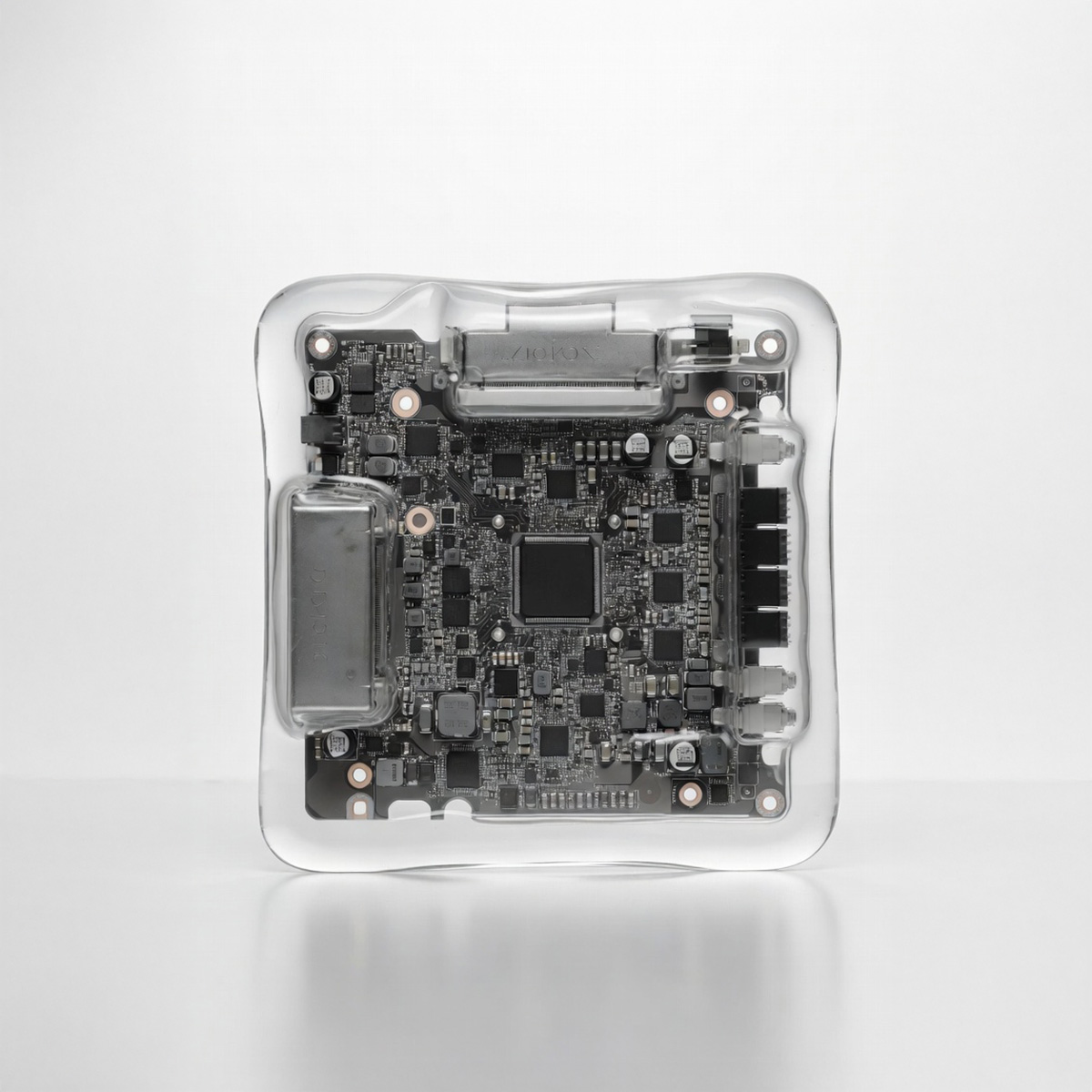
Mixing and Curing WACKER SilGel 612 in Practice – What to Do When the Gel Is Too Soft or Too Tacky
Is your SilGel® 612 coming out too soft, sticky, or curing unevenly?
In our practical guide, we show you exactly how to mix it at a 1:1 ratio, how to adjust the proportions up to 1.5:1, when to add Catalyst EP or Inhibitor PT 88, and how to achieve a perfectly dry, tack-free surface using ELASTOSIL® RT 601.
Read the full article and never waste another gram of gel!
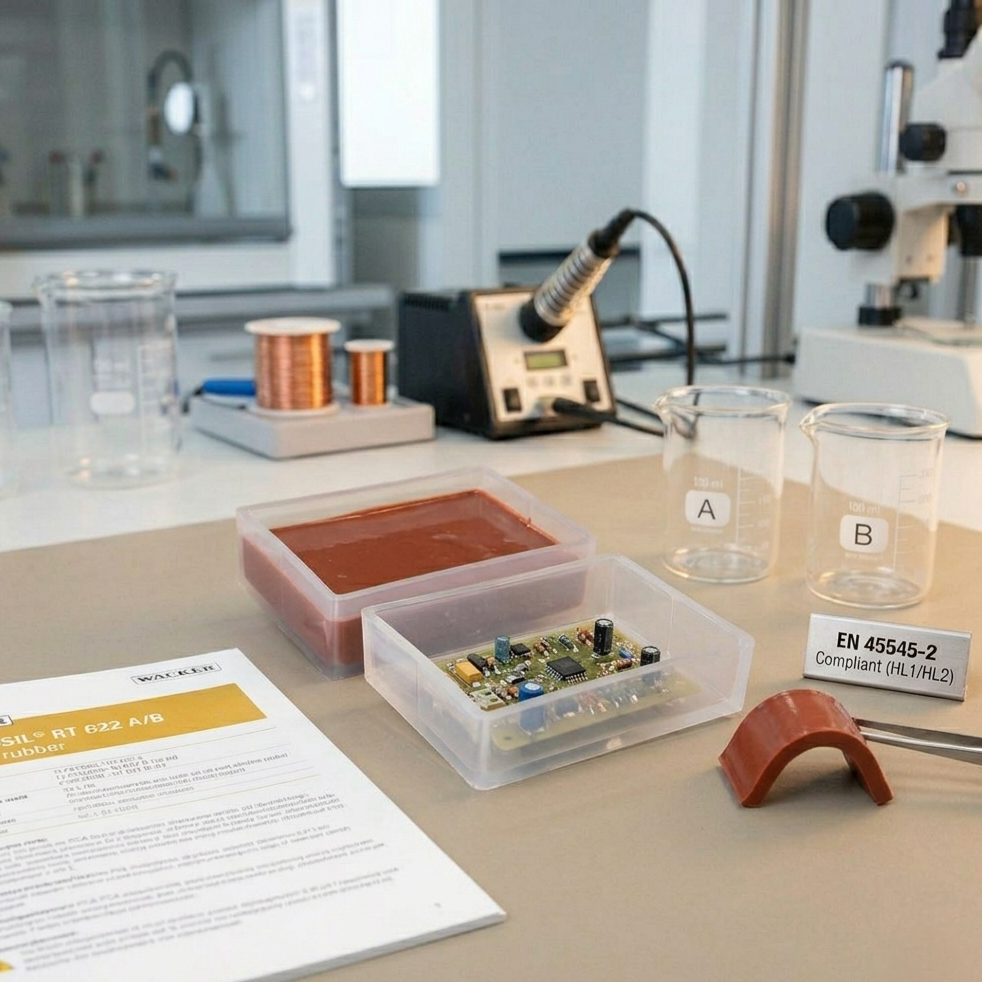
ELASTOSIL RT622 Without Compromise. Why This Silicone Is So Hard to Replace – and What the Competition Really Offers
There is no shortage of RTV-2 silicones on the market positioned as alternatives to ELASTOSIL RT 622. In practice, users most often turn to solutions from manufacturers such as Momentive (e.g. RTV 225, RTV 227), Dow (Sylgard 170, Sylgard 184), Shin-Etsu (KE-1300T, KE-1310ST), Elkem (Silbione RTV 440/450), or ACC Silicones (QSil 216/218). These are good materials – but they are designed with different priorities.
This is where the key difference emerges. RT622 is not just “another potting silicone,” but a material with an exceptionally well-balanced combination of properties: softness, mechanical strength, and long-term stability. In many cases, alternatives turn out to be either too hard, mechanically weaker, or require adjustments to the processing technology. During initial testing, these differences may seem negligible – it is only in real-world operation that the gap becomes apparent.
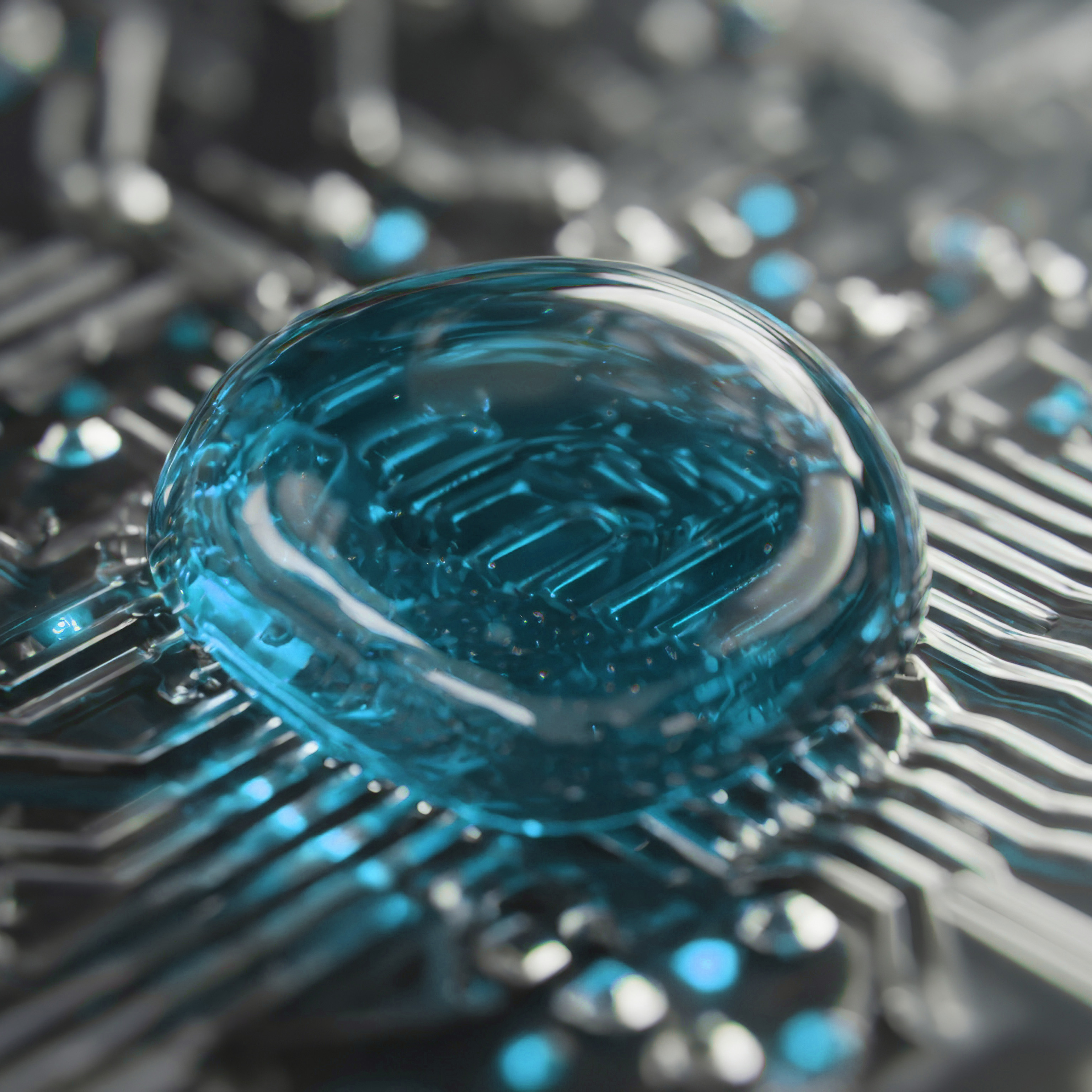
Silicone gels – the invisible protective shield of modern electronics
Silicone gels are among the most underestimated yet crucial protective materials used in electronics, power engineering, and automation. Although soft and highly flexible, they provide a level of protection that often determines the reliability of an entire device. In our latest article, we explain why engineers around the world are increasingly turning to WACKER silicone gels, how they differ from conventional silicones, and in which applications they perform best. It is a fascinating material that can extend the lifespan of electronics by many years—discover how it works and why it is worth using.
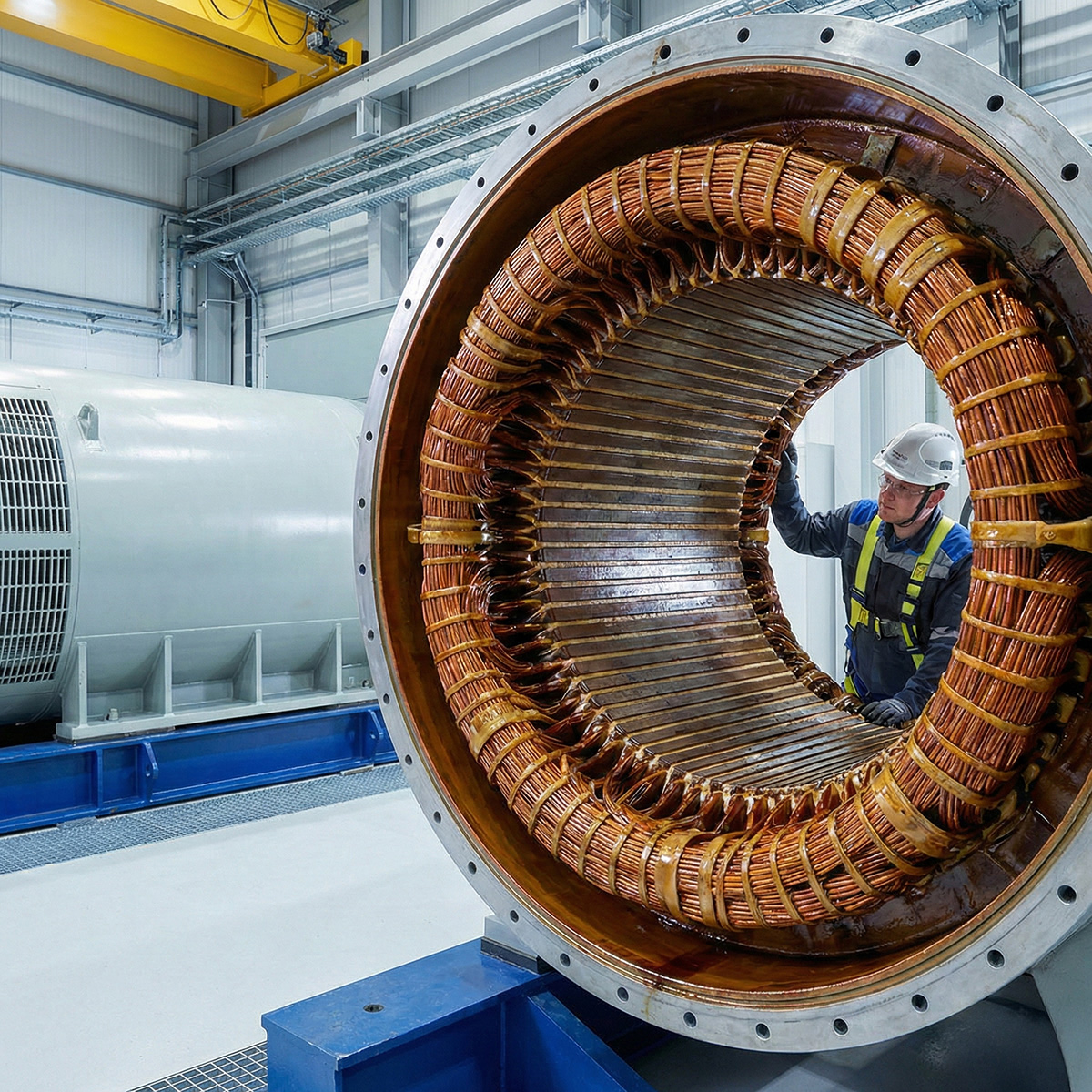
How Does ELASTOSIL® RT 628 Protect Transformer Windings?
Transformer windings operate under extreme conditions—exposed to high temperatures, constant vibrations, and humidity. This is why flexible RTV-2 silicones are increasingly used for their protection. ELASTOSIL® RT 628 A/B provides durable electrical insulation, effectively compensates for mechanical stress, and maintains stability even at temperatures up to +180°C. Discover why this silicone has become a proven solution in modern electrical engineering and the power industry.
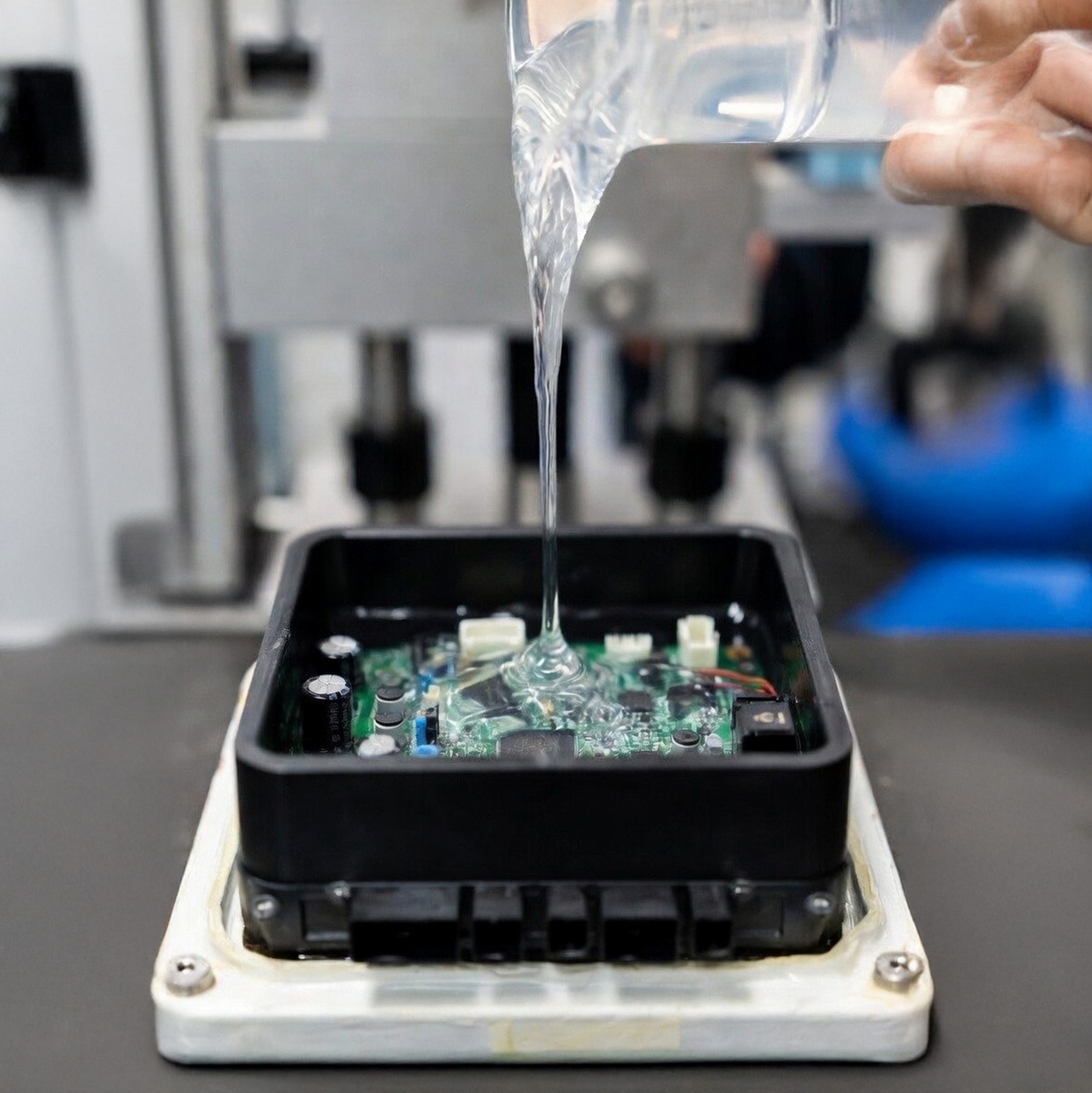
Soft as a gel, tough as armor. Why WACKER SilGel 612 is the best alternative to popular dielectric potting compounds
Soft as a gel, tough as armor. Discover WACKER SilGel® 612. Are your current potting compounds damaging delicate components and breaking solder joints during temperature fluctuations? It’s time for a change. Find out why the ultra-soft WACKER SilGel® 612 is becoming the new standard in the electronics industry, successfully replacing legacy market leaders (including Sylgard 527). Secure your electronic assemblies and your supply chain.